According to the ASEAN Work Plan on Youth 2026–2030, Southeast Asia is home to approximately 213 million young people aged 15–34. They live amid rapid digital growth and rely on digital spaces to express their views, engage in discussions, and organise themselves in response to various social and environmental crises. However, the rapid expansion of the digital landscape in the region has also brought challenges to civic space, leaving young people vulnerable to digital repression, legal prosecution, cyberbullying, and the exposure of personal information (doxing).
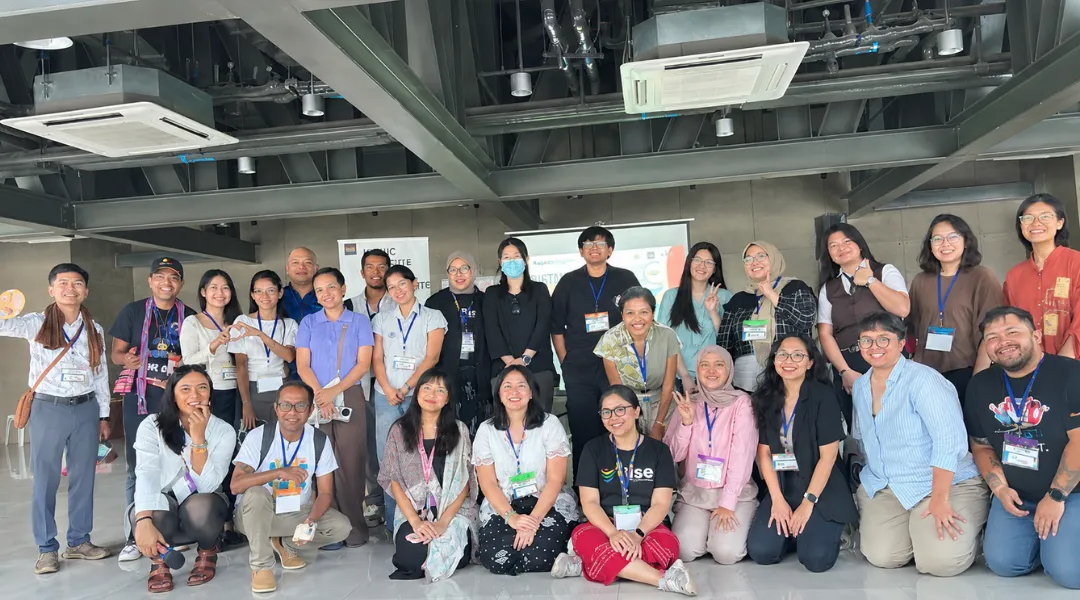
In response to these challenges, RISE Foundation collaborated with ASEAN Youth Forum (AYF) and Public Virtue Research Institute (PVRI), with support from TIFA Foundation and CIVICUS through the Digital Democracy Initiative (DDI), to organise an event titled Digital Spaces, Civic Voices: Youth Advocacy on Freedom of Assembly and Association in Southeast Asia. The discussion and workshop were held as part of the ASEAN Civil Society Conference / ASEAN People’s Forum (ACSC/APF) 2026 at Quezon City MICE, Philippines, on Wednesday, 28 October 2026.
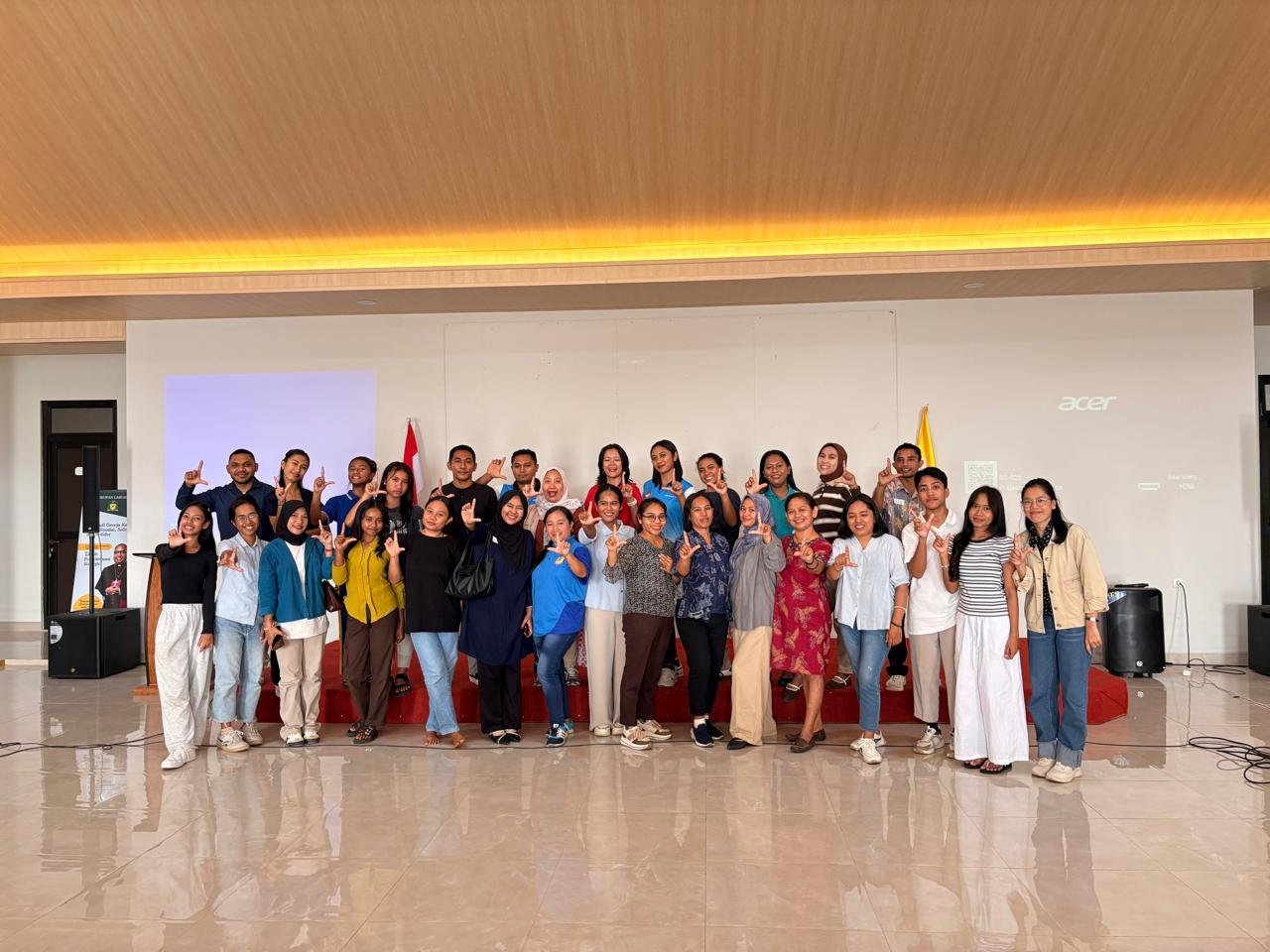
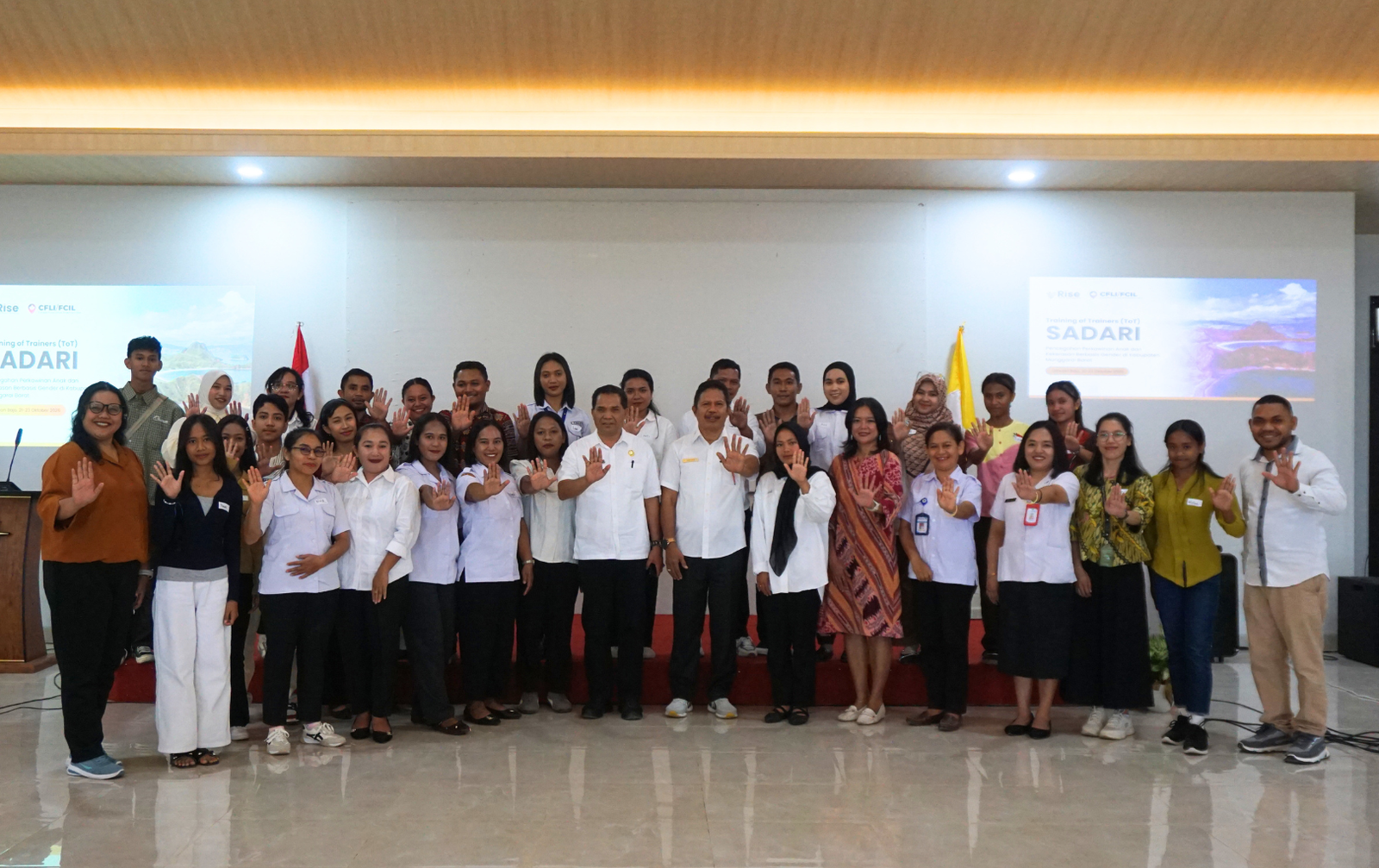
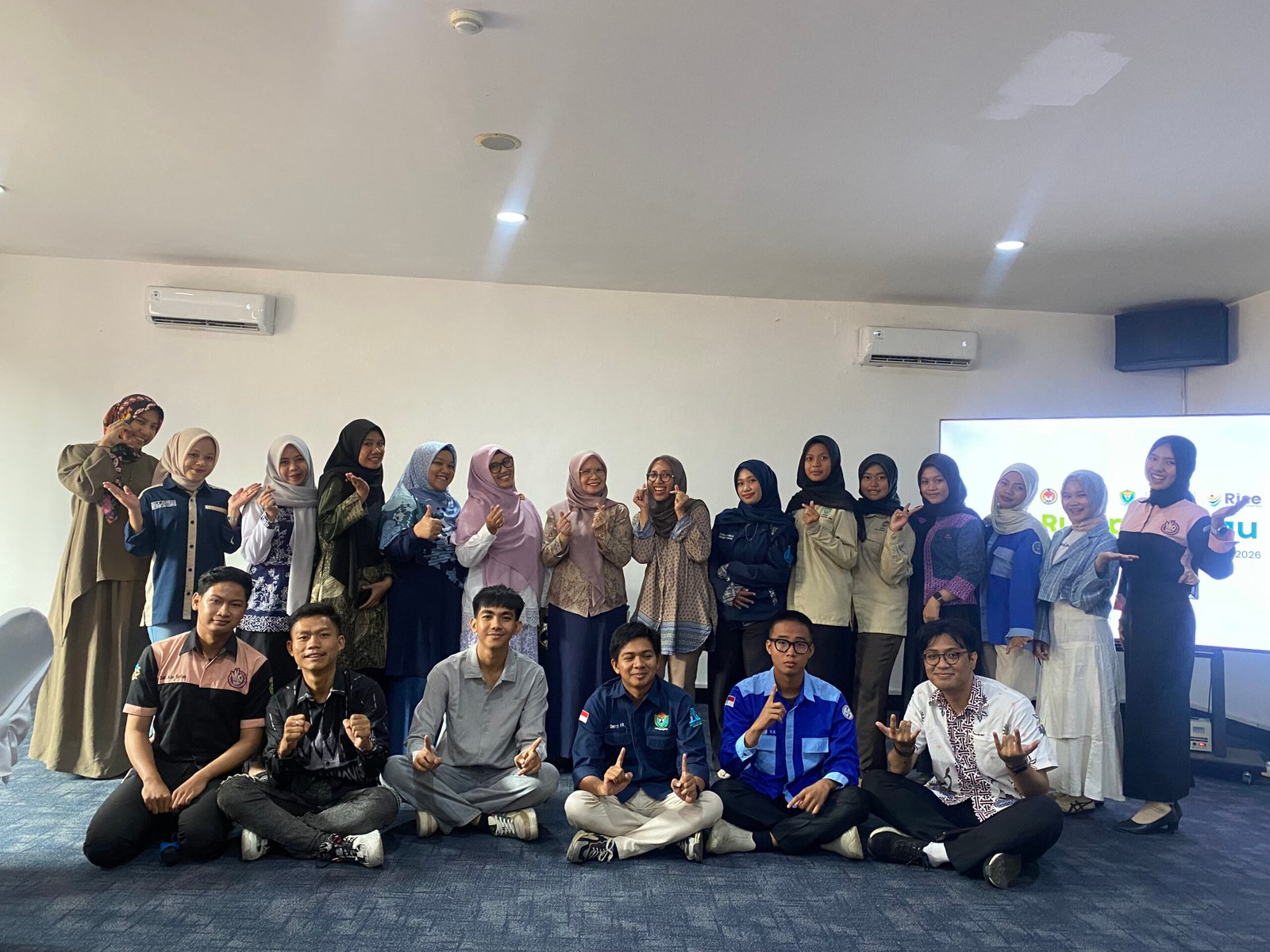
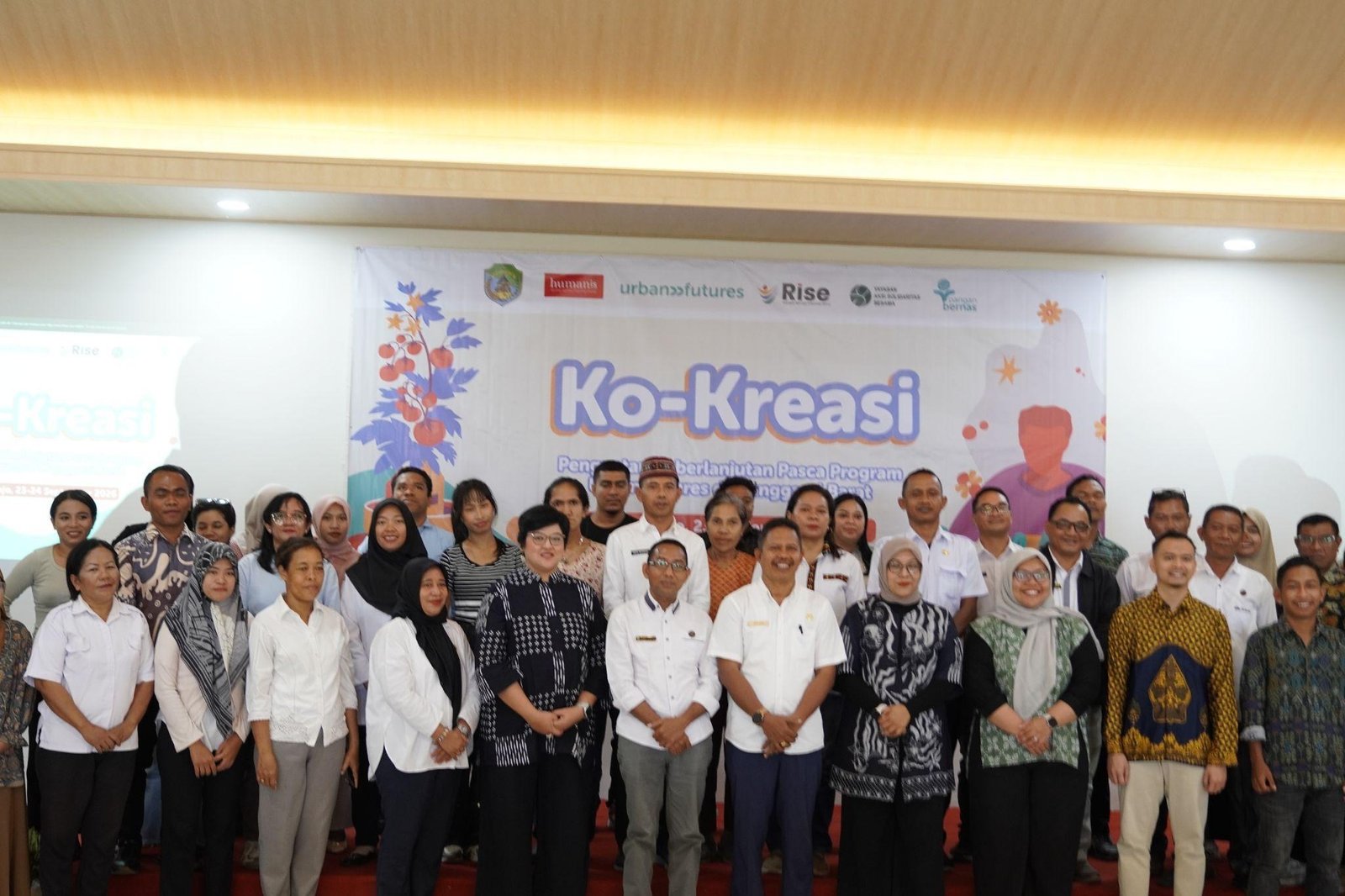
The event brought together more than 30 young people from various organisations and countries across Southeast Asia, including Indonesia, Myanmar, Malaysia, Thailand, Cambodia, Timor-Leste, the Philippines, and Singapore. It aimed to document young people’s real experiences in digital spaces, identify barriers to freedom of expression and assembly, and develop the basis for policy recommendations at both national and ASEAN levels. The forum also sought to strengthen young people’s digital security capacity and promote safer digital communication practices within youth communities.
Facilitated by Mutiara from RISE Foundation, Fatimah from the ASEAN Youth Forum (AYF) Secretariat, and Vava from Public Virtue Research Institute (PVRI), the session began with the establishment of shared ground rules to create a safe space, maintain the confidentiality of personal stories, and encourage mutual respect and active listening.
The organising team then presented findings from a Focus Group Discussion (FGD) involving 30 young people aged 18–30 from Yogyakarta, Jakarta, Muara Enim, Semarang, Tangerang, and Pontianak. The findings identified three main barriers to expressing opinions: pressure from social circles, restrictions imposed by higher authorities and institutions, and limitations imposed by social media platforms, including shadow banning and a lack of transparency in account suspensions.
To bring in broader regional perspectives, the forum featured three speakers from Southeast Asia. A representative from Athan (Myanmar) discussed social media restrictions, the ban on VPN use introduced in 2024, and the prosecution of thousands of internet users under anti-terrorism laws. Meanwhile, Gary from Suaram (Malaysia) explained how the Sedition Act has been used against university students who criticised campus corruption, as well as the spread of attacks and negative narratives by cyber troops.
Saowalak from the Knowledge for Development Foundation (Thailand) shared experiences in supporting Indigenous women and young people along the Kok River in combining digital campaigns with on-the-ground action through the Peace Walk for Rivers. According to Saowalak, internet access can directly give communities a voice in public spaces. However, they still need safe spaces and the skills to tell their own stories. “Who tells the story matters. So, when the story comes directly from the people themselves, it means a lot,” Saowalak explained.
Following the regional perspectives session, participants were divided into three cross-country groups, facilitated by Mutiara (RISE Foundation) and Fatimah (AYF), to identify and map the most fundamental challenges they face. During this reflection session, participants shared various concerns, including the threat of two to six years in prison for people in Cambodia accused of spreading false information when criticising social and environmental issues; restrictions requiring demonstrations to take place at least 100 metres away from certain locations in Timor-Leste; and practices such as red-tagging, doxing, and threats of employment blacklisting in the Philippines, Singapore, and Malaysia.
Reflecting on the common patterns emerging from these experiences, Mutiara from RISE Foundation highlighted the similarities and connections between the pressures faced by young people across Southeast Asia. “I think we all share similar experiences in digital spaces. We face restrictions from platforms, then from governments, and perhaps even from people within our own communities,” she said.
In response to these challenges, the forum agreed on three key advocacy actions. First, strengthening collaboration through ASEAN mechanisms to encourage major social media companies, such as Meta and X, to become more transparent and improve user protection. Second, advocating for the removal of discriminatory regulations that restrict freedom of expression and assembly, while calling for an end to state violence against human rights defenders. Third, urging governments across the region to ensure the protection of their citizens’ digital rights.
The findings and insights gathered throughout the ACSC/APF 2026 event will be further developed by RISE Foundation and its partners into national- and ASEAN-level policy briefs. These efforts aim to contribute to a safer, more inclusive digital environment where young people can express themselves and participate without fear.