West Manggarai, 23 October 2026 – The SADARI Program (Safe and Aware Communities to Prevent Child Marriage and Violence) is promoting more participatory reproductive health education as part of efforts to prevent child marriage and gender-based violence in West Manggarai. School guidance and counselling teachers need stronger capacity to support young people without judgment, and youth-friendly Posyandu (integrated health service posts) need to be improved as well. Both depend on coordination and a clear referral system between schools and healthcare facilities, so that teachers and healthcare workers can complement each other’s roles within their respective responsibilities.
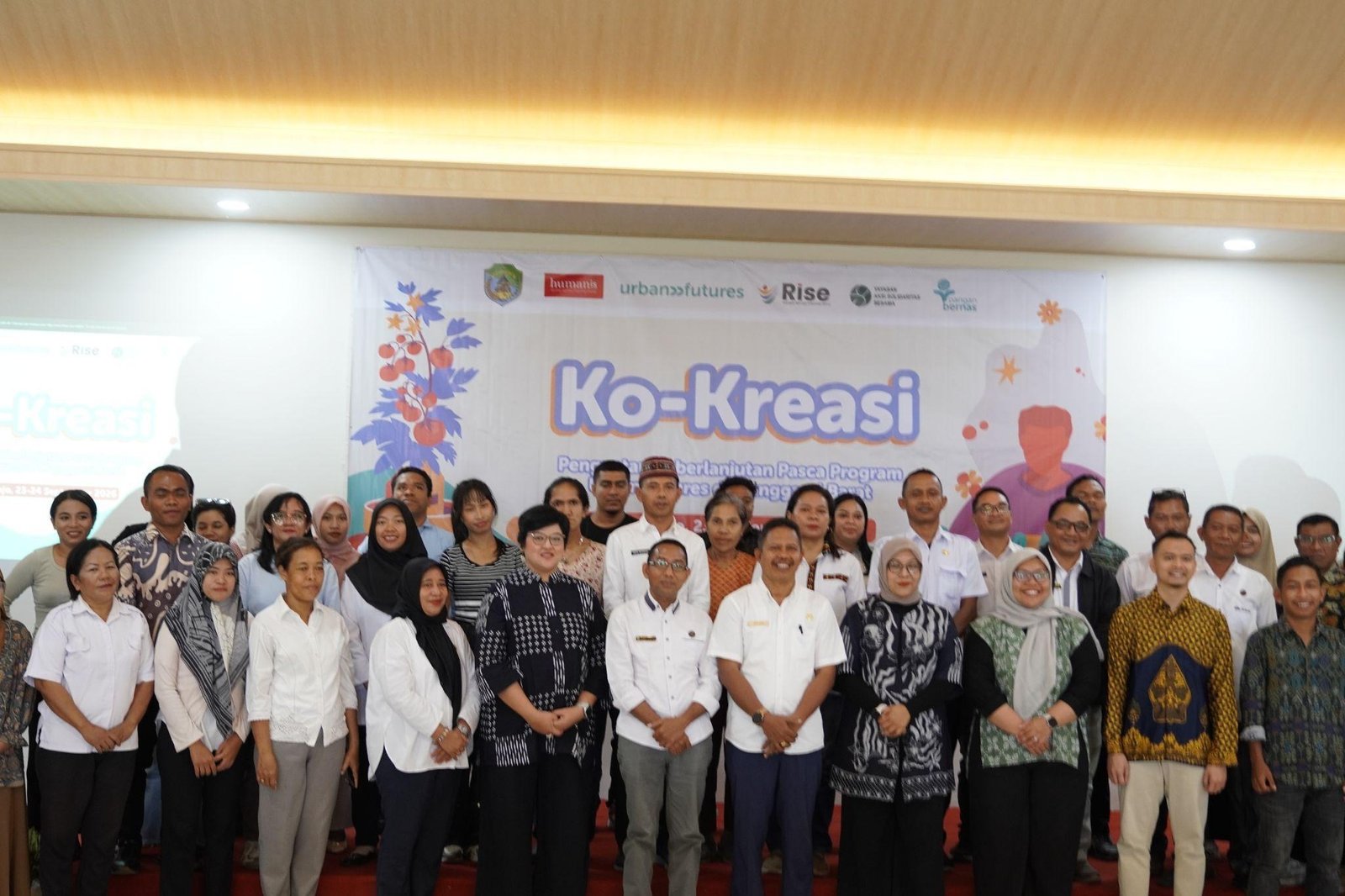
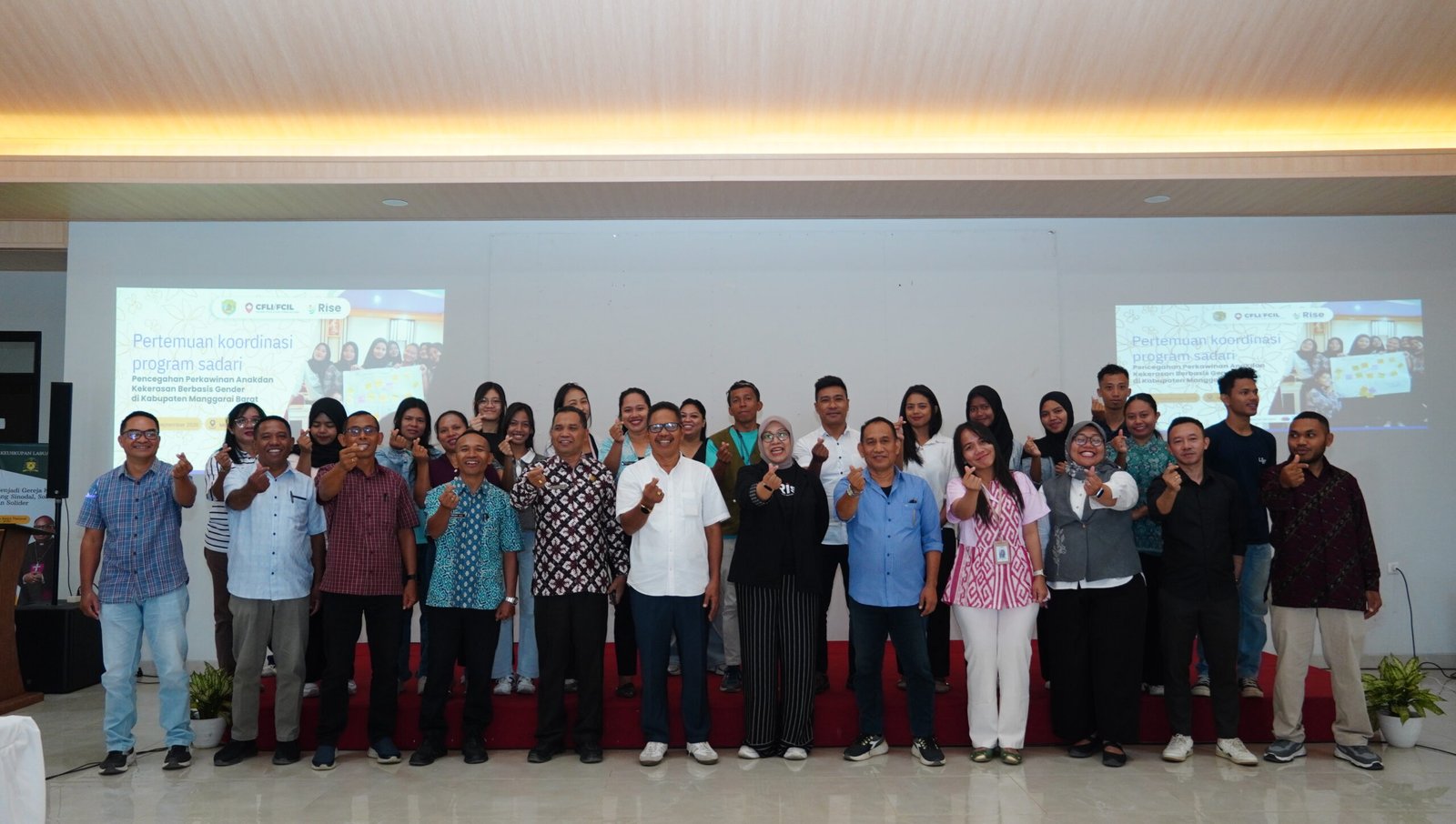
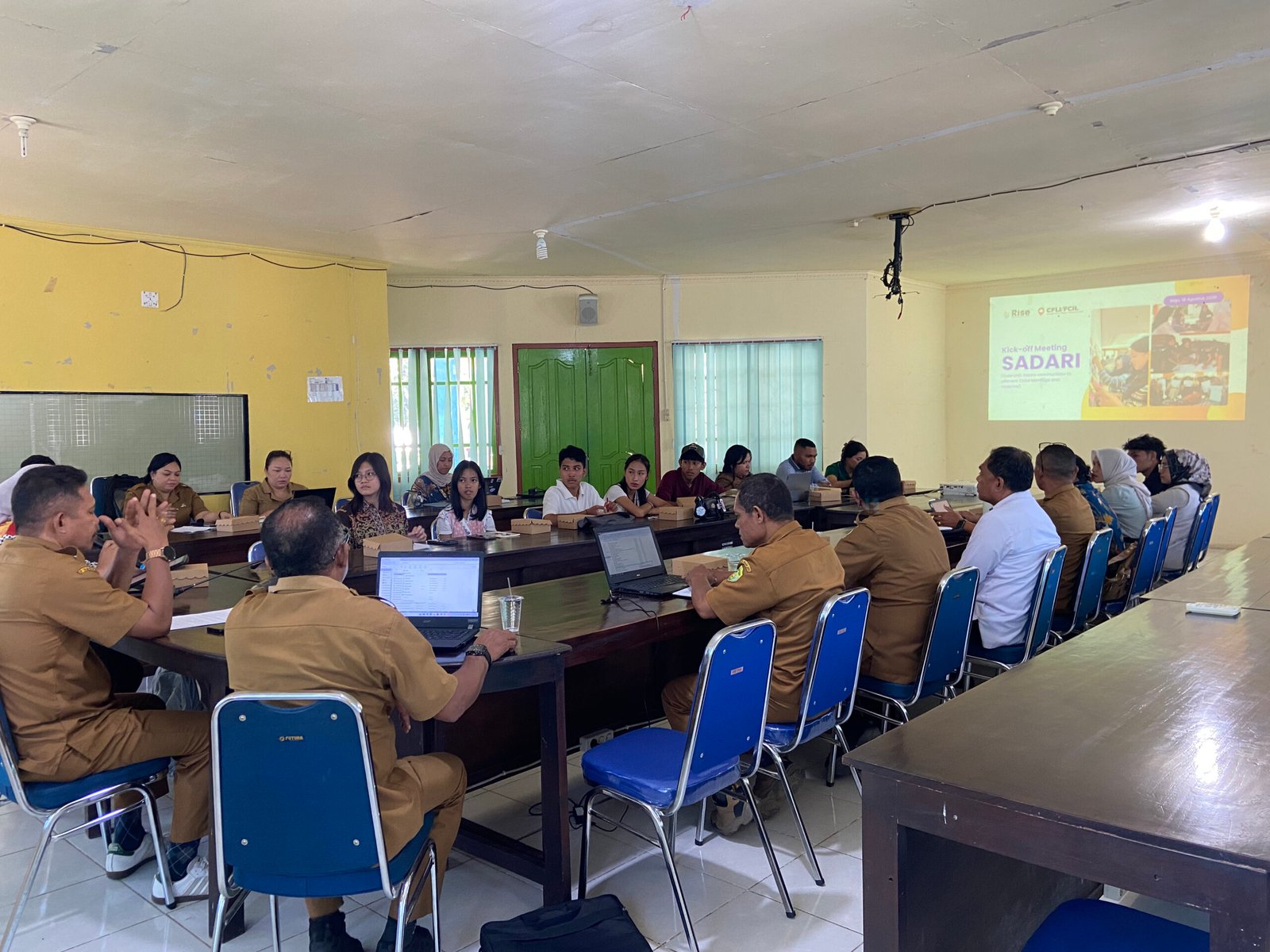
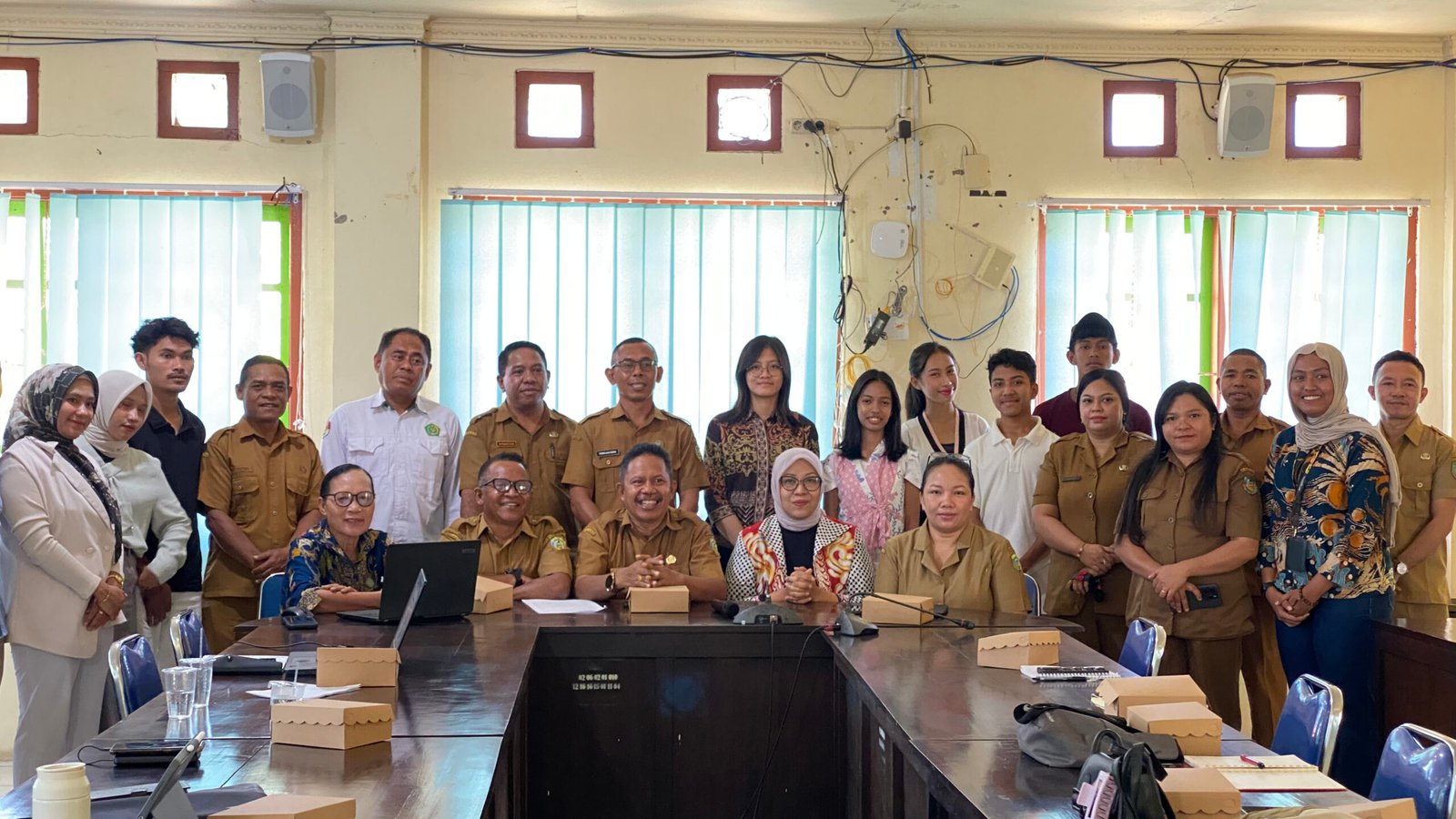
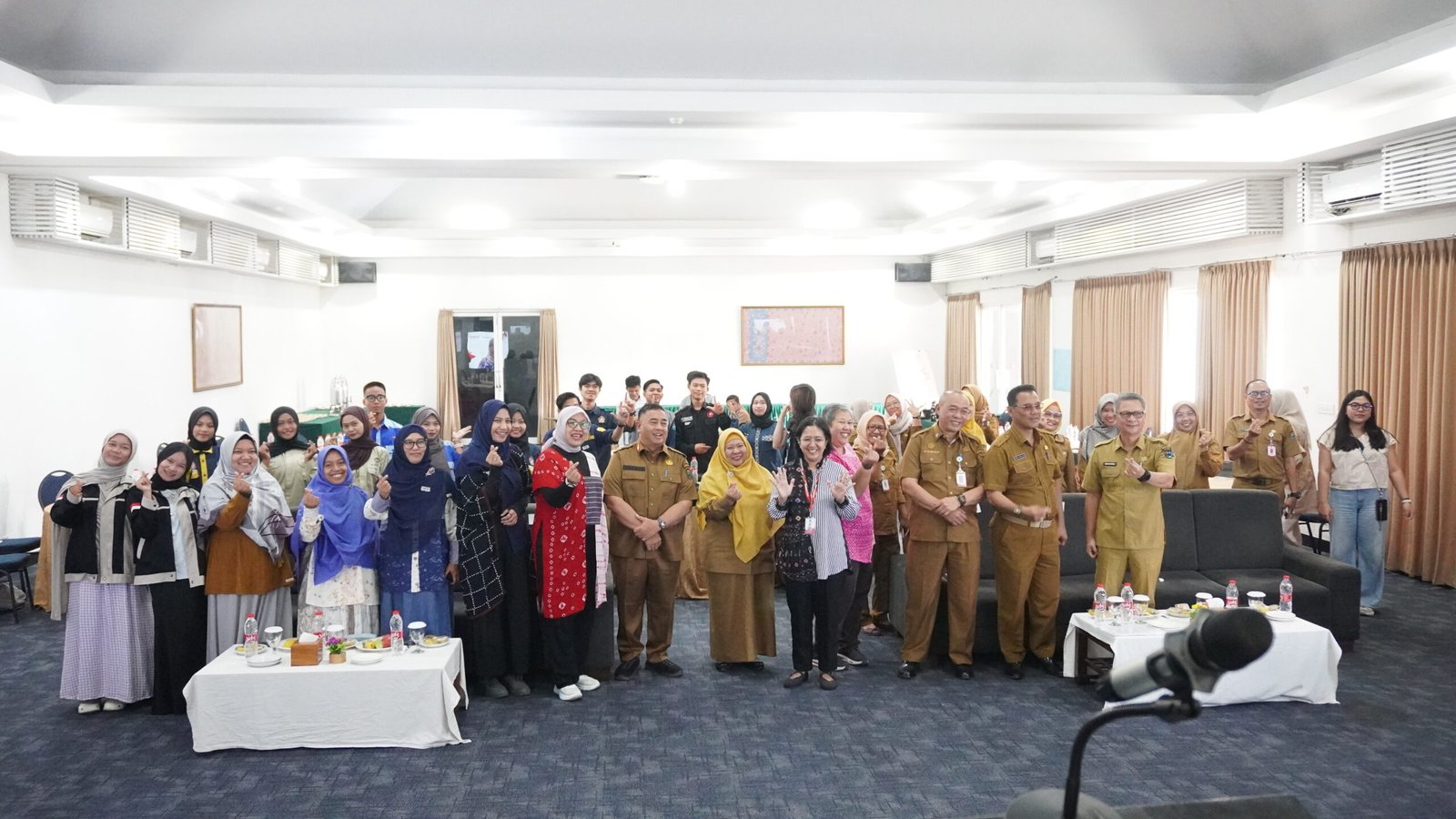
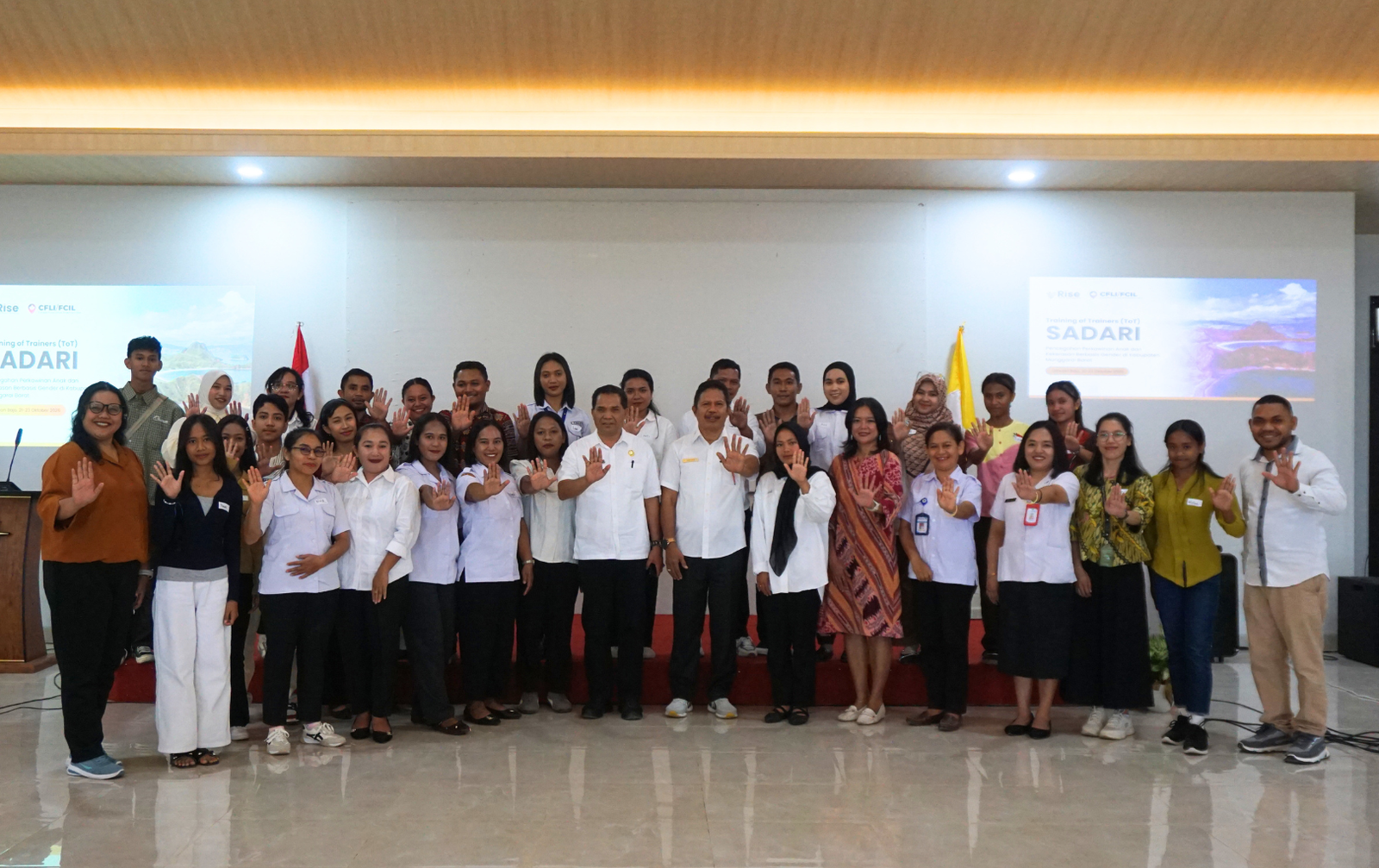
Following the previous series of SADARI Program activities, particularly the Cross-Sectoral Coordination Meeting, the program has now entered its training phase, with support from the Canada Fund for Local Initiatives (CFLI) through Global Affairs Canada. On 21 October 2026, representatives from the Regional Development Planning Agency (Bappeda) of West Manggarai Regency, the West Manggarai Regency Education, Youth and Sports Office, and RISE Foundation organised a Training of Trainers (ToT) for Teachers and Healthcare Workers. The activity took place at the Labuan Bajo Diocese House in Wae Kelambu, West Manggarai, and was attended by participants from six schools and three local community health centres (Puskesmas).
The ToT aimed to strengthen teachers’ and healthcare workers’ knowledge of Young People’s Sexual and Reproductive Health and Rights (SRHR), child marriage, and gender-based violence (GBV). One of the key challenges discussed during the training was the continued perception in society that topics such as reproductive health, social boundaries in relationships, and bodily autonomy are taboo. This situation can make young people feel hesitant or afraid to ask questions or share their personal experiences.
Through this training, participants, consisting of teachers and healthcare workers, were equipped with skills to deliver participatory education and provide youth-friendly services. They were also encouraged to collaborate with relevant stakeholders to clarify the roles of schools, Puskesmas, and protection services in identifying risks, providing safe initial responses, and following appropriate referral procedures.
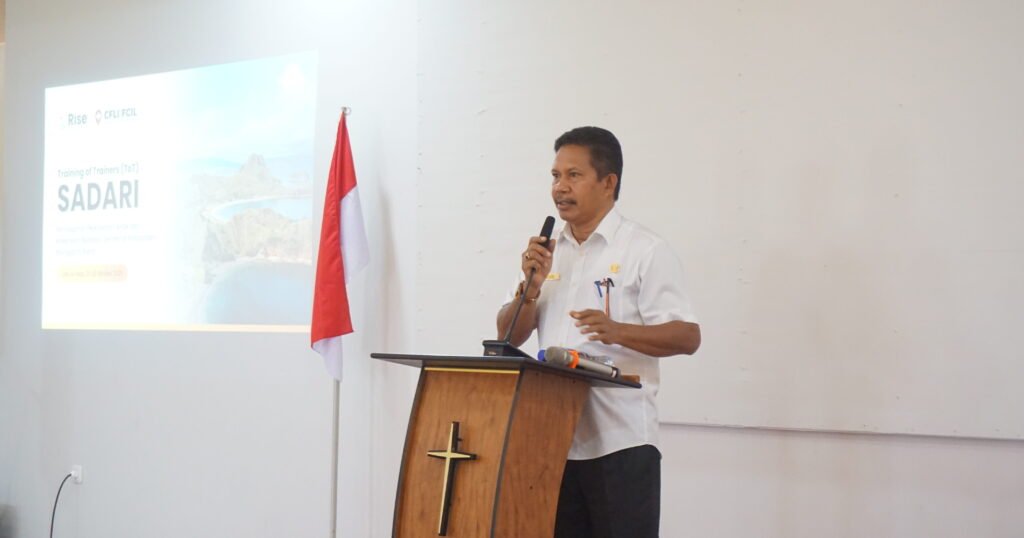
The event opened with remarks from the Head of Bappeda, Drs. Yohanes Hani, M.Pd. In his speech, Yohanes encouraged participants to reflect on the importance of starting change with themselves.
“The materials presented by the speakers should serve as a starting point and encourage us to think more deeply. Real change does not come only from what others tell us, but also from our own willingness to learn, improve ourselves, and take concrete action,” said Yohanes.
The training was conducted in person over three days, from 21 to 23 October 2026, with Mawar Pohan serving as the national facilitator. Participants received materials on child marriage, gender-based violence, gender norms, bullying, and SRHR within the context of West Manggarai.
During the discussion on child marriage, participants were encouraged to reconsider common beliefs in society, particularly the assumption that someone is ready for marriage once they reach a certain age. However, age and educational attainment alone do not determine a person’s readiness to build a family. Mental and emotional maturity also matter, as they help prevent domestic violence and an increase in divorce cases.
This issue was illustrated by a case shared by one of the participants. In the case, a wife was in critical condition and required immediate medical attention, but her husband waited for his mother-in-law to arrive before taking her to the hospital. This case shows why emotional maturity and decision-making skills matter in building a family.
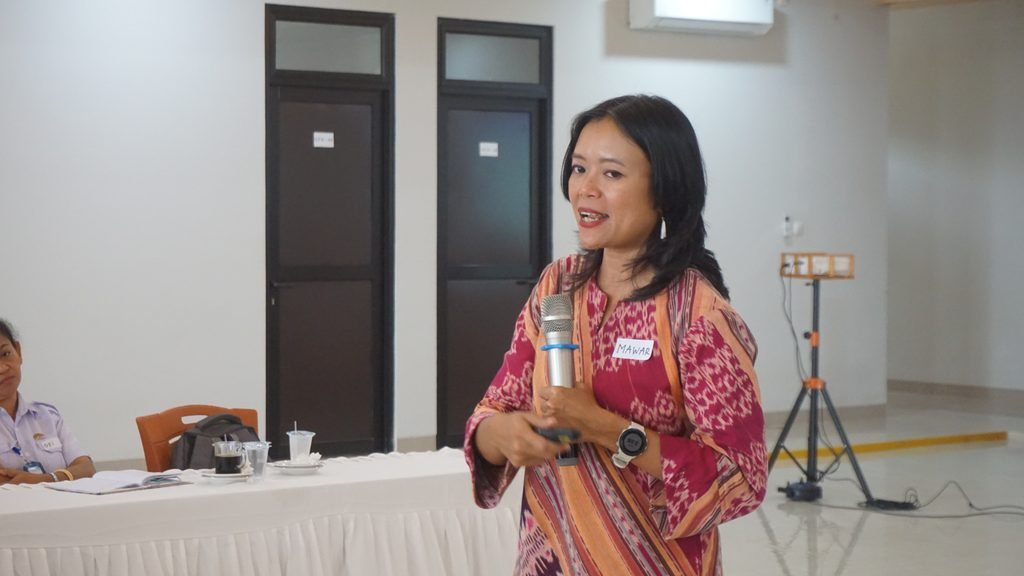
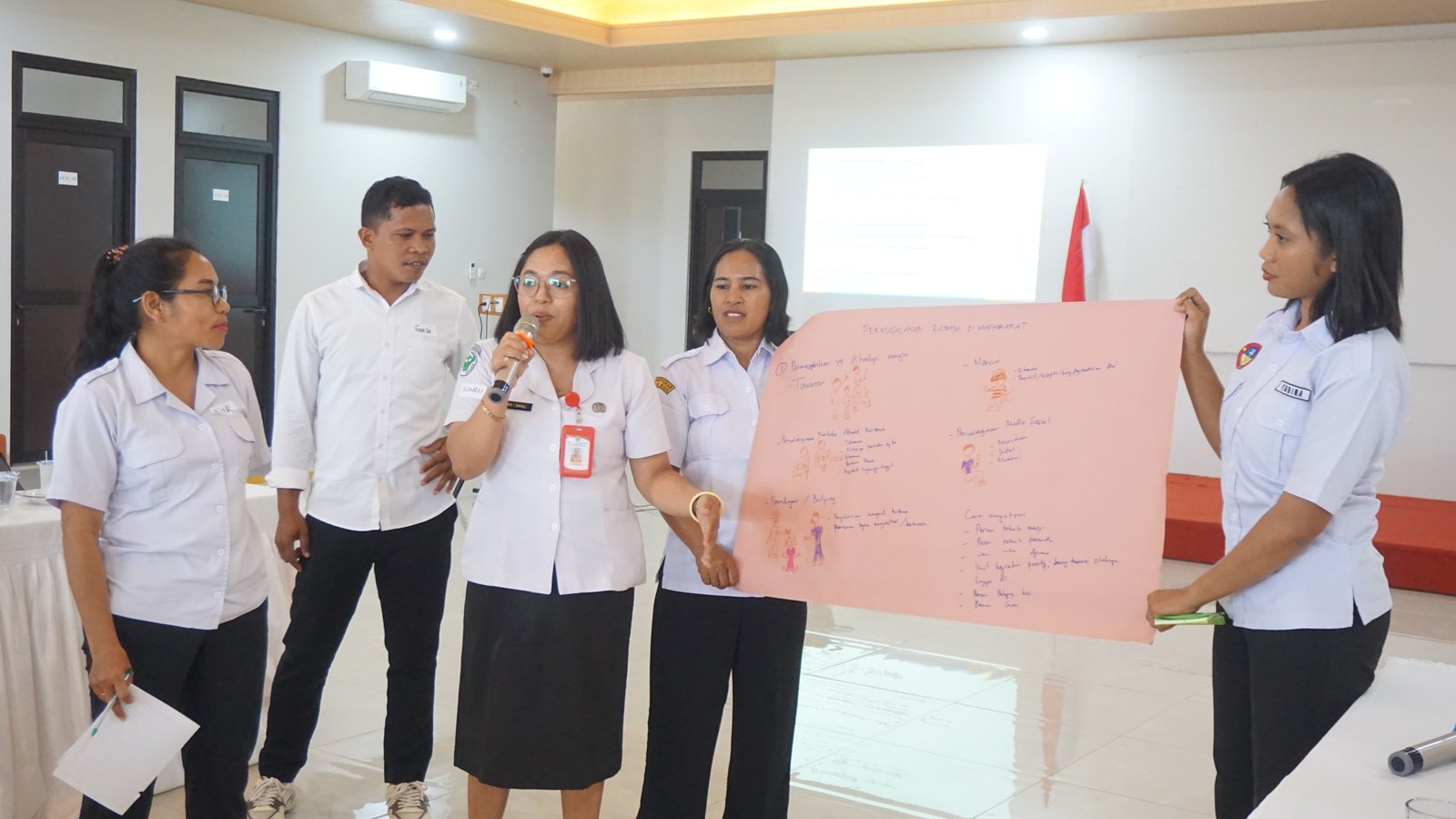
On the second day, participants learned about participatory education methods, non-stigmatising communication, classroom discussion simulations, and clear referral pathways. Referral pathways were a key topic because, in cases of sexual violence, the involvement of Puskesmas has often been limited to issuing medical examination reports (visum), while further assistance is left to the parents. As a result, survivors’ needs, particularly their psychological recovery, may not be adequately addressed.
Participants also learned about young people’s development, the ten key messages on young people’s reproductive health, gender equality, and violence prevention. In addition, they received materials on psychosocial support and counselling techniques to address issues ranging from bullying to toxic relationships. These sessions introduced the principle of “Observe, Do Not Label” to avoid judging survivors and prevent victim-blaming.
On the third day, participants conducted microteaching sessions in three groups, each presenting a different topic from the training module. The sessions were followed by evaluations and feedback among participants. As a follow-up activity, participants were guided to develop an Action Plan (Rencana Tindak Lanjut/RTL), covering topic selection, planned activities, and the distribution of responsibilities for implementation. This included plans to conduct reproductive health awareness sessions for junior high school students.
“From the materials and discussions we have participated in, I gained new insights, particularly about the golden period of adolescent development. Previously, we understood that this golden period occurred at around 15–16 years of age. However, through these discussions, we gained a broader understanding that adolescent development needs to be viewed comprehensively, including its physical, mental, emotional, and social aspects,” said one of the participants.
Through this three-day training, participants are expected to become a reliable source of support and guidance for young people, helping them make healthy decisions. These efforts are expected to contribute to a safer environment for children and young people in West Manggarai, and to schools that are free from violence and bullying.