RISE Foundation believes that youth is a critical asset to the future of the country. Therefore, we continue to strive towards developing Indonesian youths’ potential by providing more opportunities for them to participate and voice their rights.
At RISE Foundation, we are committed to driving meaningful change through targeted initiatives. From empowering youth and advocating for gender equality to improving public health and nutrition, explore our diverse initiatives designed to build a better, more sustainable future.
Increasing the involvement and skills of youth regarding professionalism in work through internship programs
FOOD INVESTIGATOR GAME
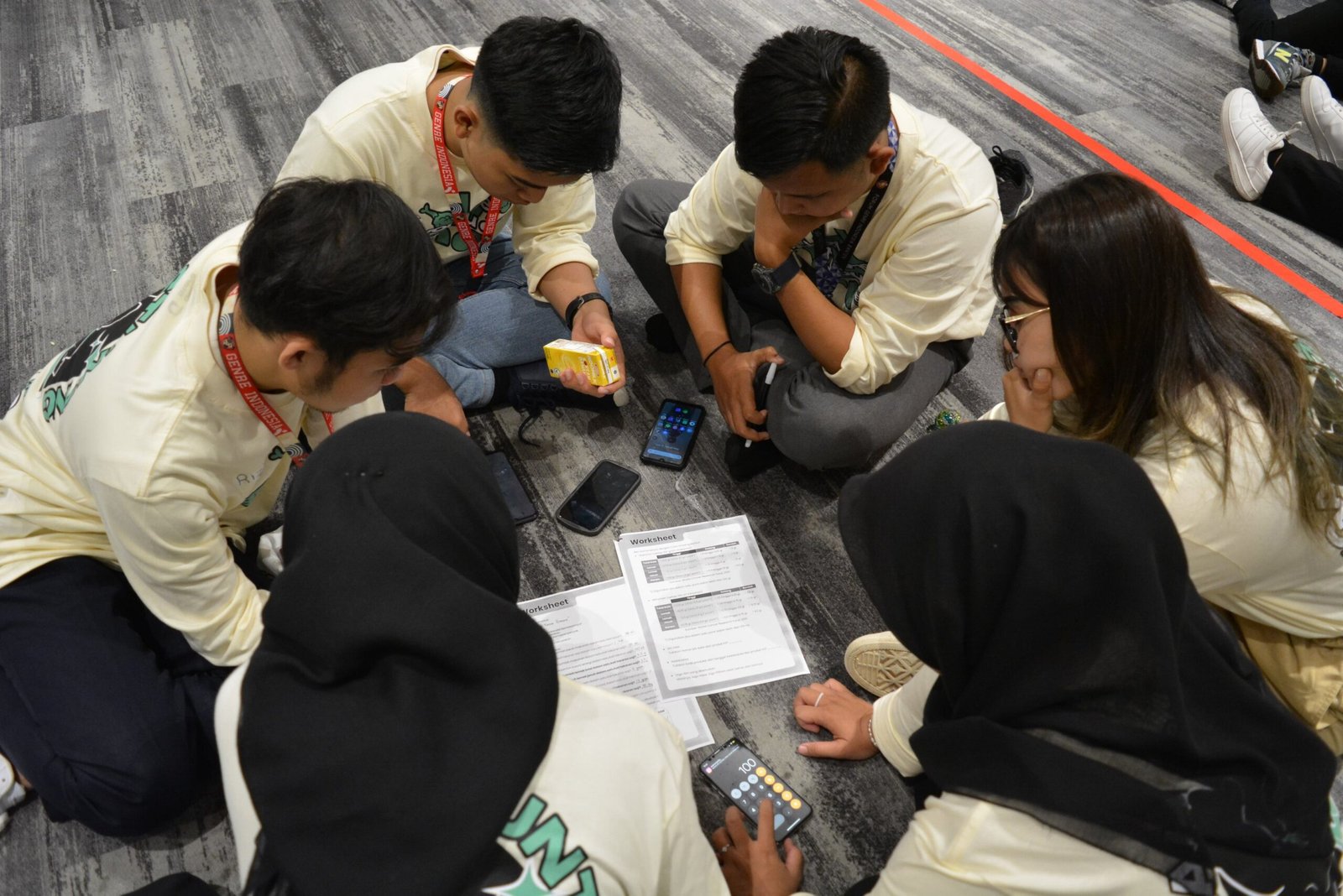
The goal of this program is to improve adolescents’ nutrition quality by reducing the negative impacts on their consumption and snacking behaviors.
STUNTING PREVENTION IN INDONESIA
RISE Foundation is working with BKKBN to provide interventions for youth related to stunting prevention through organizing capacity building
GIRLS4CHANGE INDONESIA
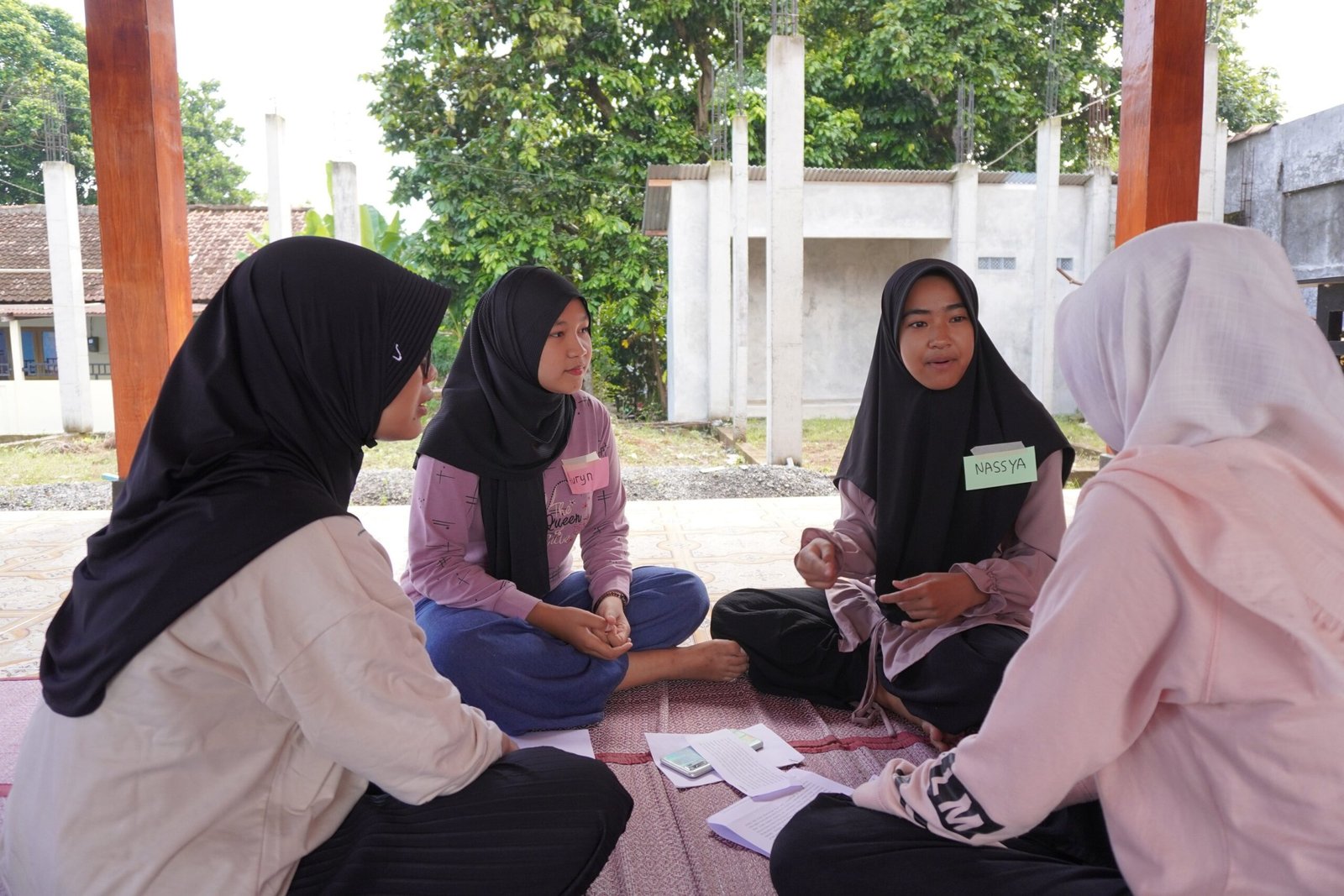
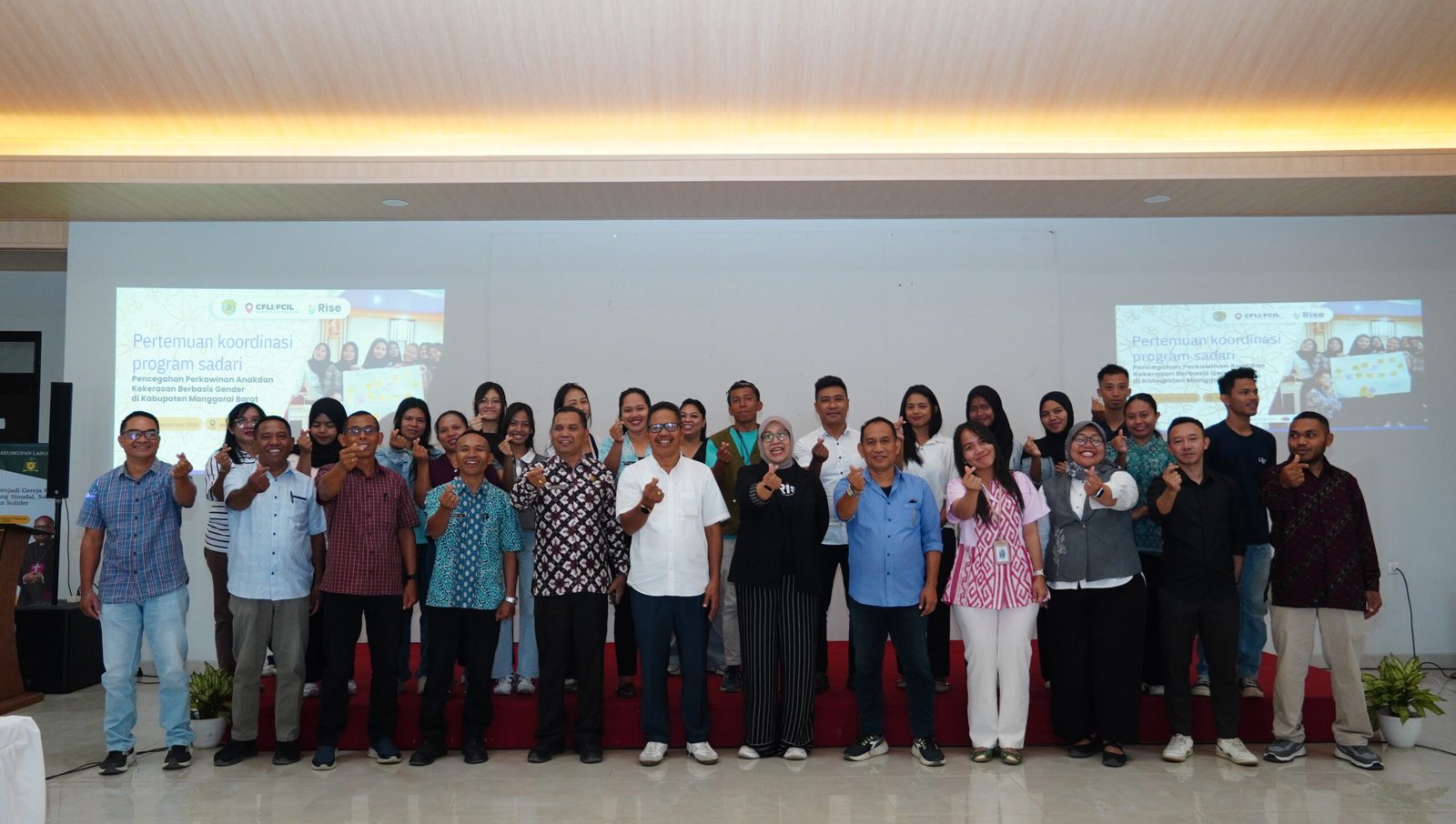
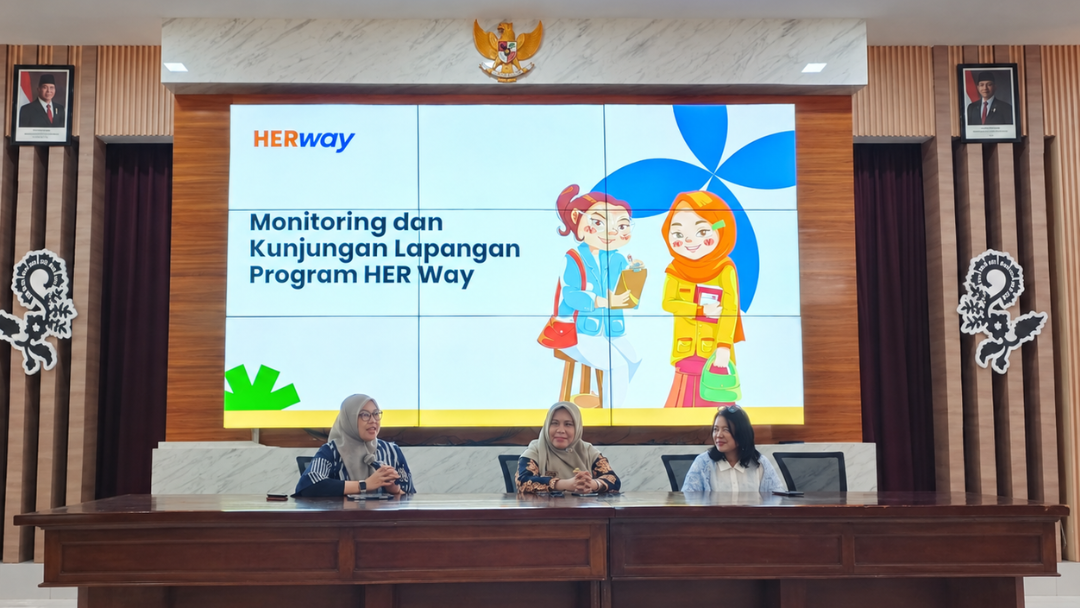
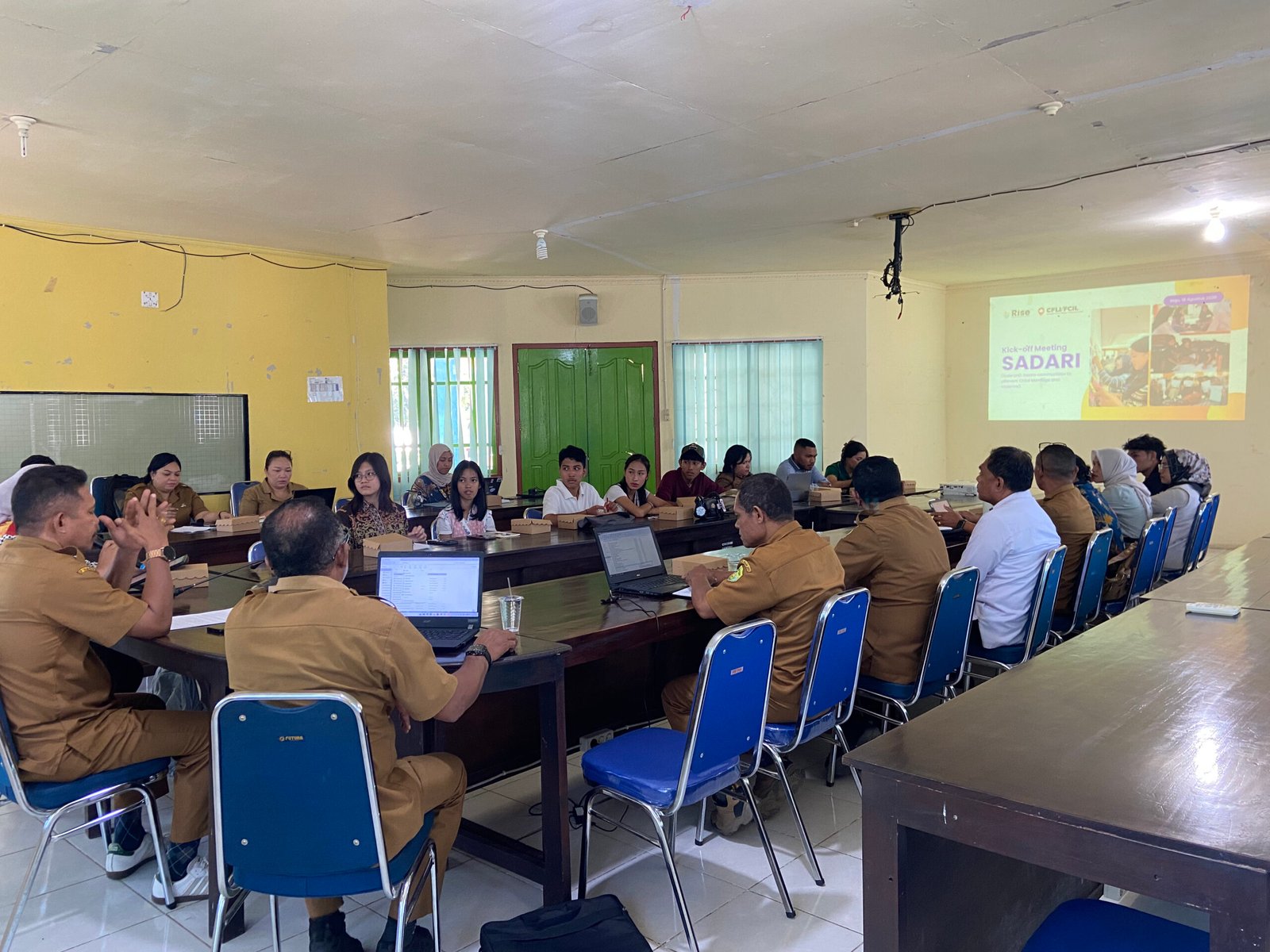
Educate and empower girls through providing capacity building in leadership, gender equality and self-reliance in an effort to dissect harmful gender norms & social constructions
CITIZEN HEARING
This program focuses on involving civil society from various backgrounds to tell their experience and provide input and opinions on governance and policies related to maternal and child health
RAN PIJAR KOTA BOGOR
Program from the Bogor City Government, KEMENKO PMK and Friedrich Ebert Stiftung (FES) in an effort to improve nutrition and health for elementary school children
URBAN FUTURES
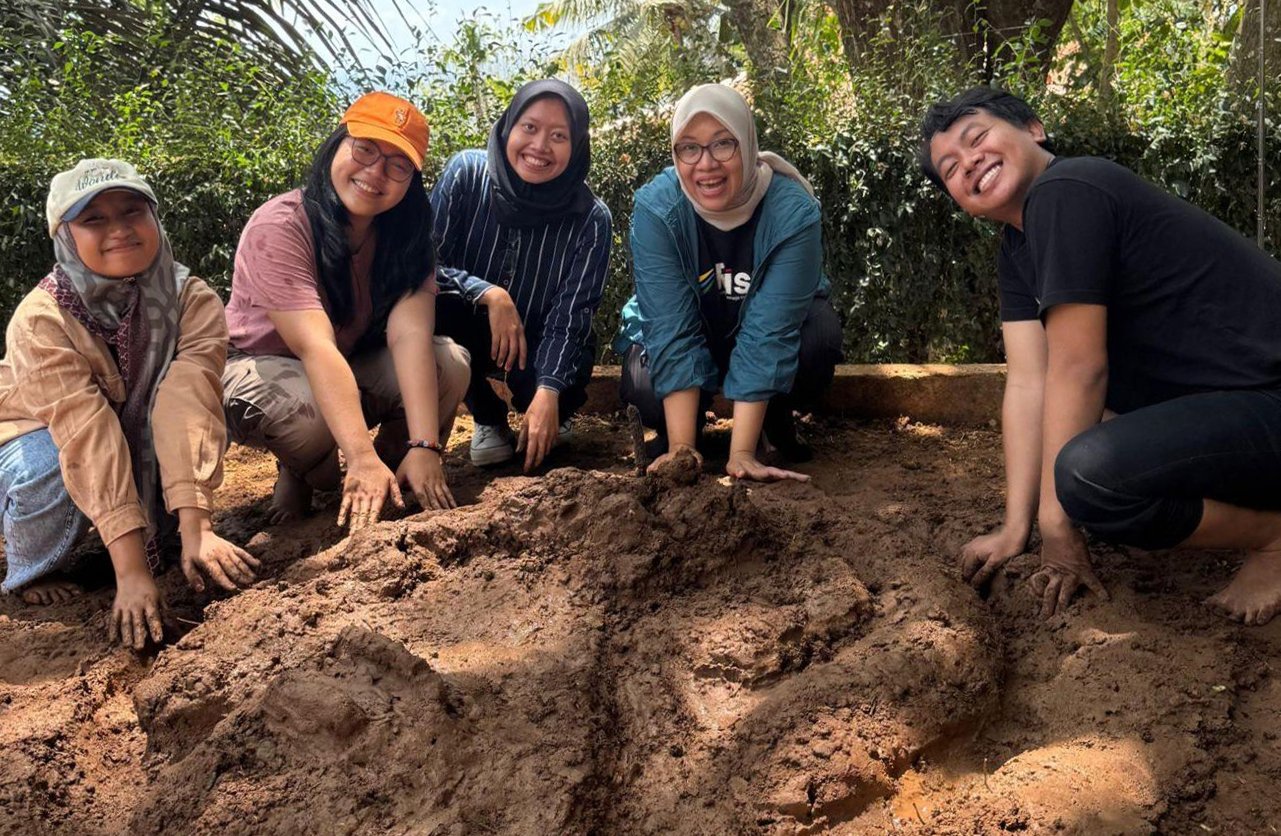
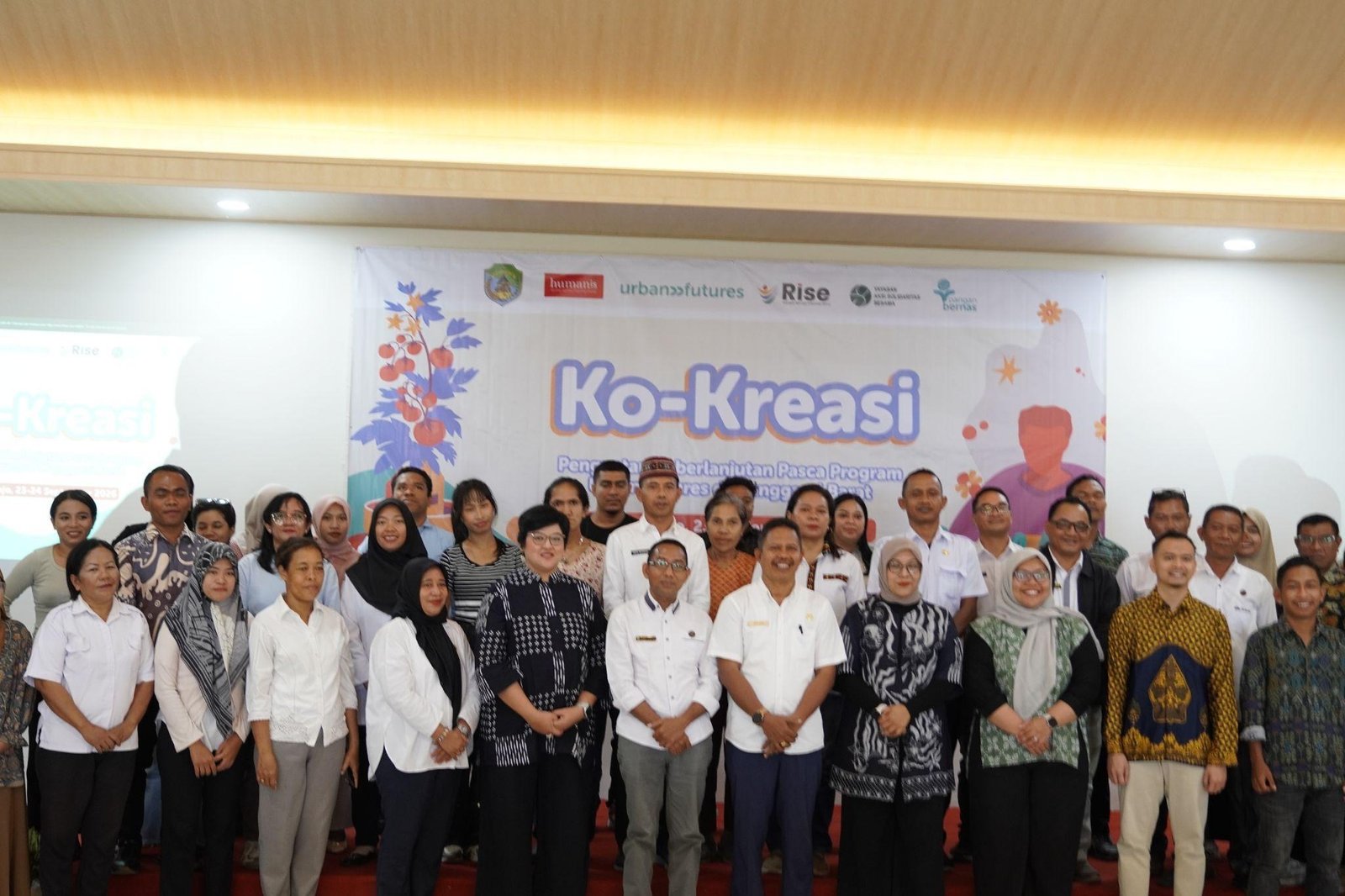
Program that involves young people in addressing urban food system challenges, strengthening youth participation, and responding to climate change in Bandung City and West Manggarai Regency.
INNOVATION ACTIVITIES
It is a program developed and implemented directly by the RISE Foundation
Highlight
At RISE Foundation, we are committed to driving meaningful change through targeted initiatives. From empowering youth and advocating for gender equality to improving public health and nutrition, explore our diverse initiatives designed to build a better, more sustainable future.
Urban Futures Promotes Sustainable Collaboration for the Food System in West Manggarai
1. What is the RISE Foundation, and what is its primary mission?
The RISE Foundation (Yayasan Remaja Indonesia Sehat) is a non-profit organization dedicated to improving the well-being of adolescents in Indonesia. Our primary mission is to empower the younger generation through education, advocacy, and mentorship, enabling them to grow into physically, mentally, and socially healthy individuals who are prepared to face future challenges.
2. What are the program and activity focuses of the RISE Foundation?
We focus on issues relevant to the daily lives of adolescents, including mental health education, physical health (such as nutrition and reproductive health), and the development of leadership character. We implement these programs through various interactive activities, such as school workshops, digital awareness campaigns, seminars, and the provision of safe spaces for discussion among adolescents.
3. Who are the beneficiaries of the RISE Foundation’s programs?
The primary beneficiaries of all our initiatives are Indonesian youth from diverse backgrounds. However, we recognize that young people require a supportive ecosystem to reach their full potential. Therefore, the benefits of our programs also extend to parents, educators, and the wider community through educational sessions designed to help them collectively create a supportive environment for youth.
4. How can organizations and individuals collaborate with or join the RISE Foundation?
We welcome collaborations of all kinds! For corporate partnerships and CSR programs, email us at official@riseindo.or.id. If you’d like to join our team, check for job vacancy and internships on our partnership page, or follow our Instagram @risefoundation.id for announcements.
5. How can I support RISE Foundation’s programs through donations?
Make a Real Impact Today! Support the sustainability of the RISE Foundation’s youth empowerment and health programs by making a donation. To learn more about our donation procedures, please email us at official@riseindo.org. Our team will get back to you shortly with a complete guide. Rest assured, all donations are managed transparently, and regular financial reports will be shared with our donors.
Our Partner
Climate Resilience and Sustainability (CRS)
This division employs a “Community-Led & Intergenerational Justice” approach.
Community-Based Climate Action: Moving away from top-down models, this approach facilitates initiatives, participatory research, and tangible actions led directly by young people, tailored to the specific environmental challenges of their local contexts.
Evidence-Based Advocacy: Positioning young people as knowledge producers. They are encouraged to create articles, infographics, and research outputs to advocate for climate policies ranging from the local to the national level.
Intersectional Approach: Designing a climate engagement framework through a GESI (Gender Equality and Social Inclusion) lens and adopting digital technologies to ensure the environmental movement is both inclusive and modern.
Strategic Contribution: Supporting SDG 13 (Climate Action) and National Priority 2 of the National Medium-Term Development Plan (RPJMN) regarding the development of the green and blue economies.
Educational Development and Technology (Edutech)
This division employs a “Transformative Education & Digital Literacy” approach. Cross-Generational Transformative Education: Providing adaptive, high-quality educational access by engaging the ecosystems that support children and youth—such as parents, teachers, and local communities.
Critical Literacy and Digital Safety: The focus extends beyond merely teaching technology usage to fostering critical literacy, problem-solving skills, collaboration, and awareness of digital safety (cyber safety).
Campaign Media & Social Innovation: Utilizing digital platforms (LMS) as learning spaces and incubators where young people can create educational content, drive social movements, and develop digital solutions.
Cultivating Local Champions: Fostering new regional leaders in the literacy movement through technology-enabled mentoring.
Strategic Contribution: Supporting SDG 4 (Quality Education), SDG 9 (Innovation), and National Priority 4 of the National Medium-Term Development Plan (RPJMN) regarding human resource development for Millennials and Gen Z, as well as the advancement of science and technology.
Gender Equity and Social Inclusion (GESI)
This division employs a “Rights-Based, Intersectional, and Safe Space” approach.
GESI Mainstreaming: GESI is not treated as a standalone program; instead, it is integrated into the design, implementation, and evaluation phases across all RISE Foundation divisions and programs (including CRS and Edutech).
Provision of Safe and Inclusive Spaces: Ensuring physical and psychological safety so that young women, persons with disabilities, Indigenous communities, and vulnerable groups are free from discrimination and gender-based violence.
Reproductive Health-Based Rights Education: Utilizing Comprehensive Sexuality Education (CSE) as a primary tool to dismantle gender inequalities and raise awareness regarding rights.
Building Digital Collective Movement Agency: Encouraging marginalized groups to move beyond the role of mere beneficiaries by fostering the agency to form collective movements and voice social justice issues within the digital sphere.
Strategic Contribution: Supporting SDG 5 (Gender Equality), SDG 10 (Reduced Inequalities), and National Priority 4 of the National Medium-Term Development Plan (RPJMN) regarding the empowerment of women and persons with disabilities.