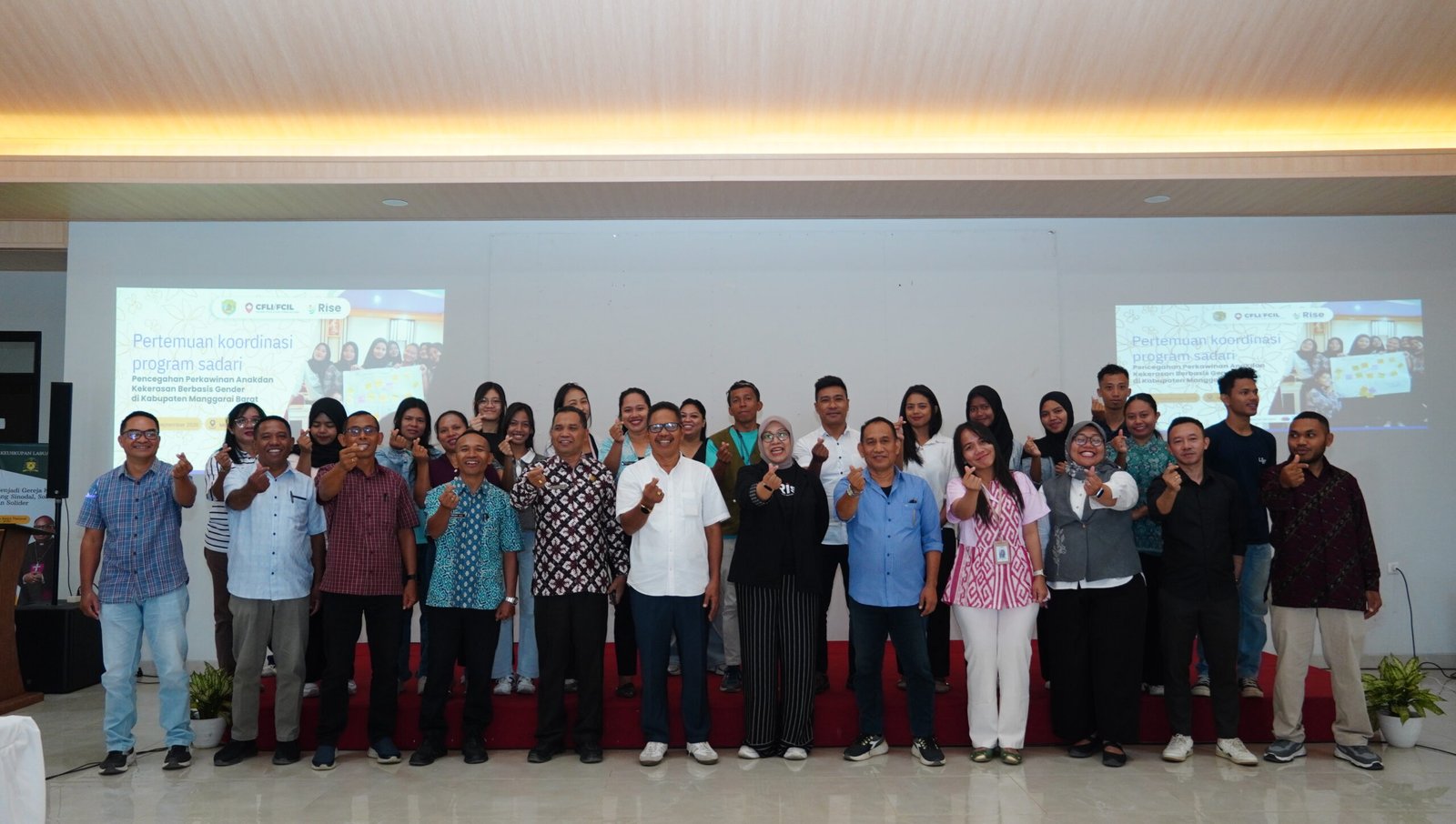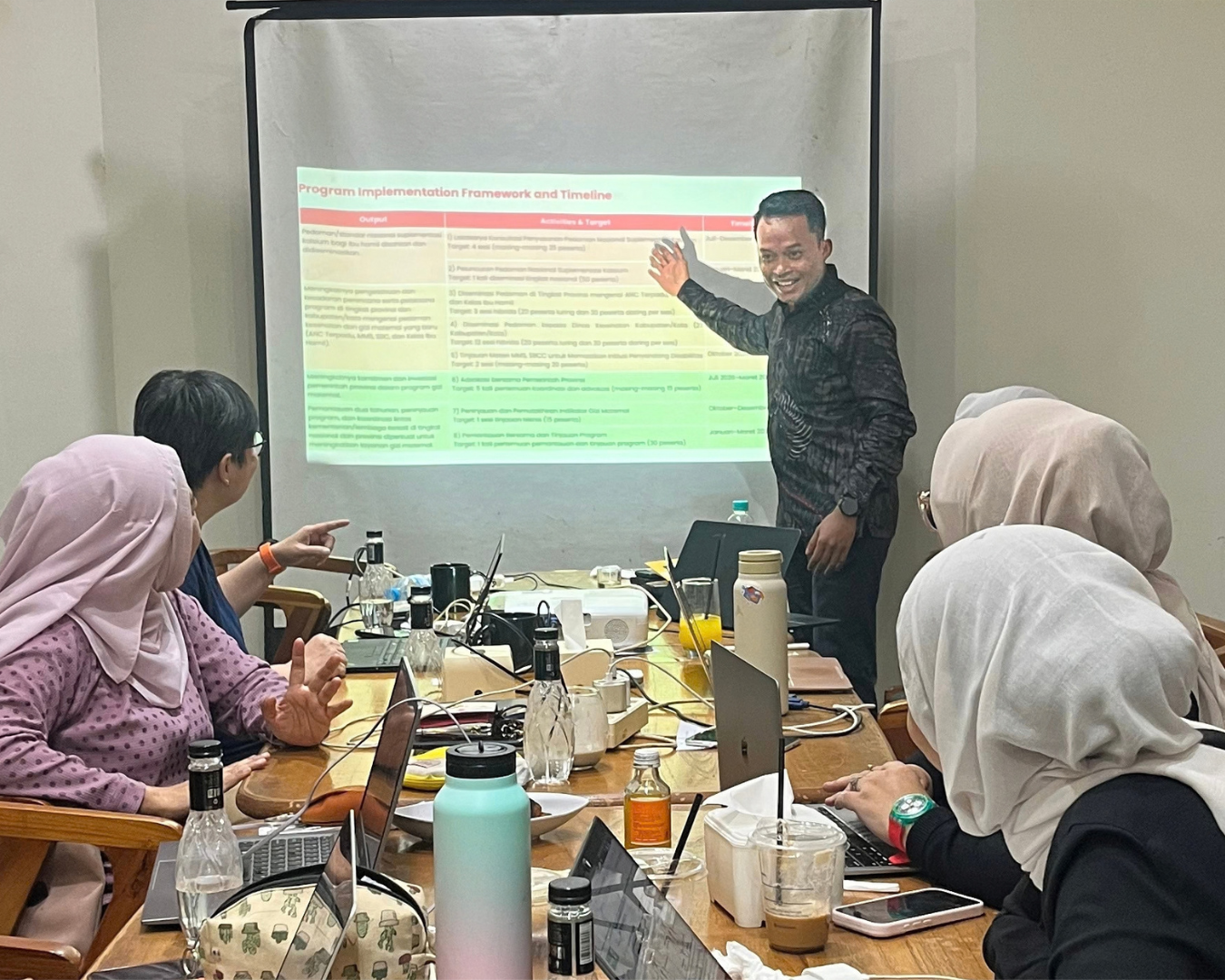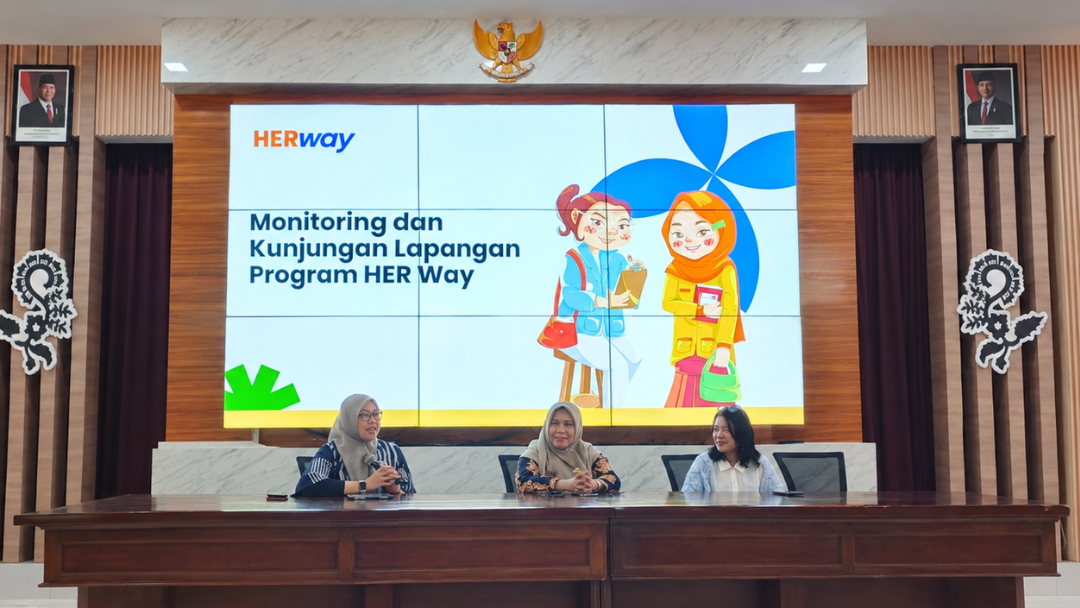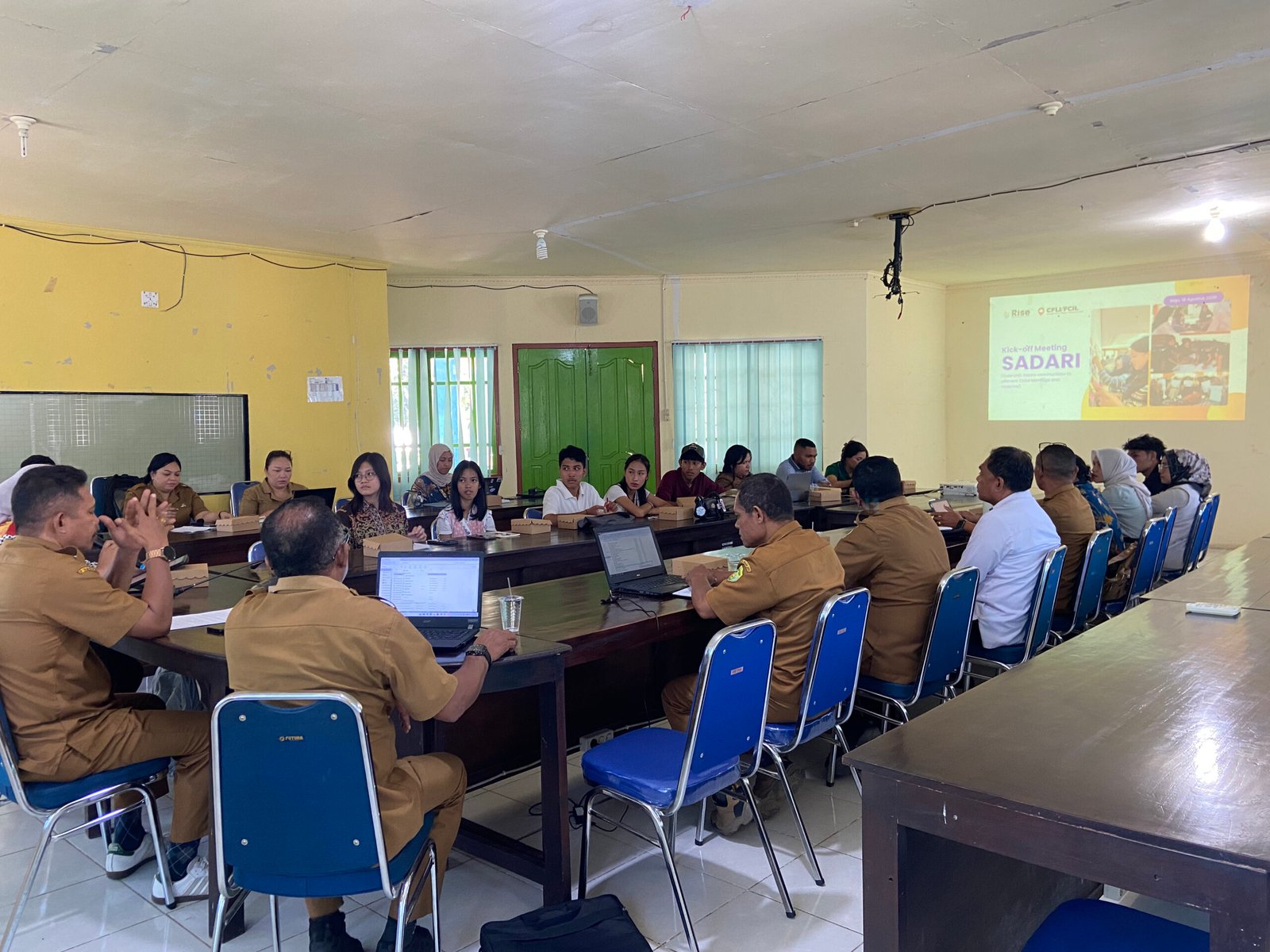
The initial assessment conducted by the SADARI (Safe and Aware Communities to Prevent Child Marriage and Violence) Program during the Multi-Stakeholder Coordination Meeting showed that several youth communities had been involved in reproductive health education activities, including during the student admission period at their respective schools. However, further efforts are needed to strengthen their understanding of child marriage prevention, Gender-Based Violence (GBV), social norms, and the creation of safe spaces. Cultural taboos and limited opportunities for safe discussions can prevent adolescents from accessing information or seeking support.
Young facilitators are in a strategic position to reach their peers through relatable language, engaging activities delivered in creative ways, and non-judgmental approaches. However, peer education on sensitive issues must be supported by an understanding of role boundaries, consent, confidentiality, and digital safety. Since young facilitators are not responsible for investigating cases or providing clinical counselling, they are also equipped with the skills to recognise when they need to seek help from trusted adults or professional services.
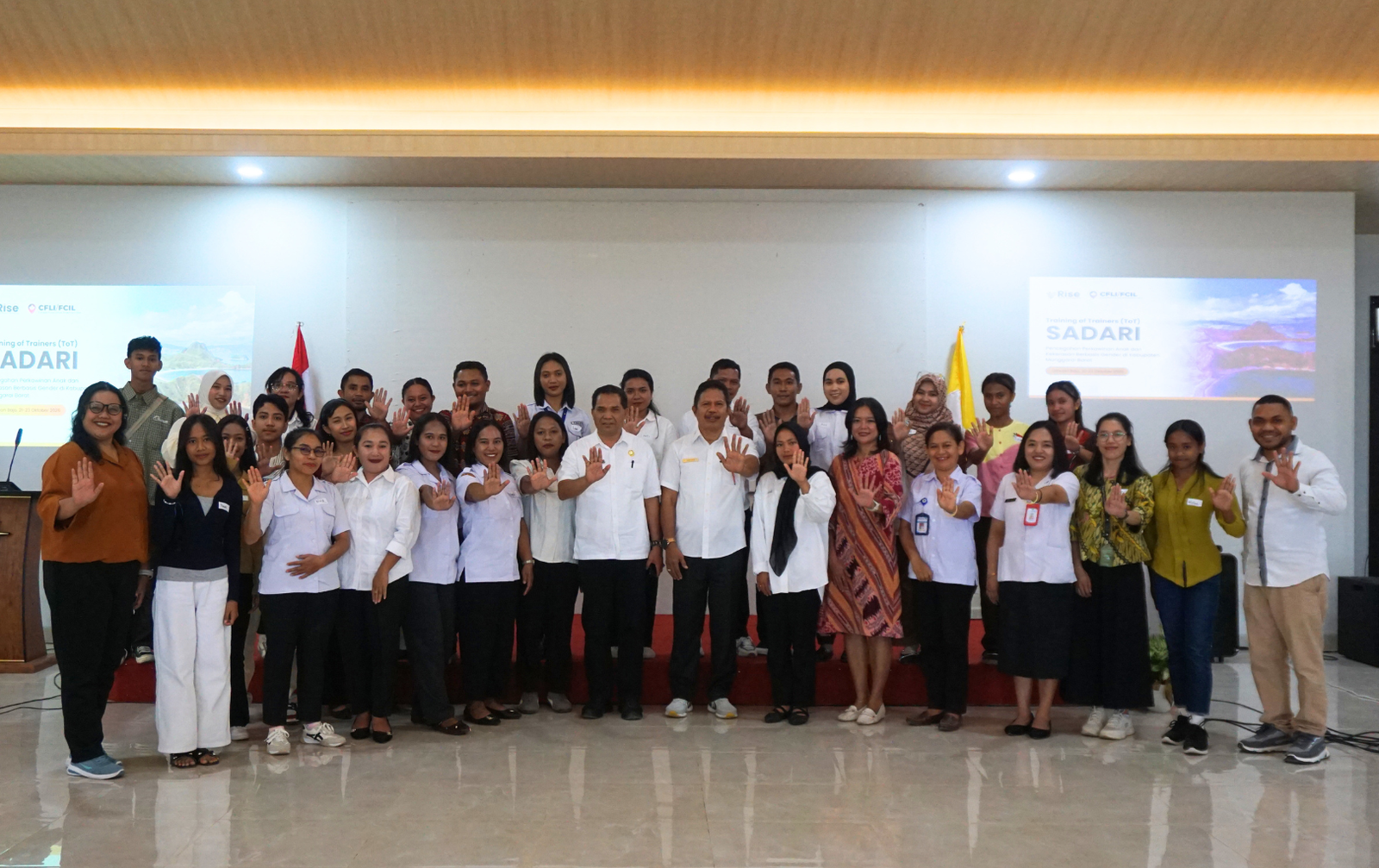
In response to these challenges, the Regional Development Planning Agency (Bappeda) of West Manggarai Regency, in collaboration with RISE Foundation and with support from the Canada Fund for Local Initiatives (CFLI), organised the Girls4Change Training of Trainers (ToT) as part of the SADARI Program. The training brought together young people from various communities, including Health Heroes, SMART, Generasi Berencana (GenRe), the Regional Children’s Forum (FAD), Puan Floresta Bicara, Field Cooperative Extension Officers (PPKL), Bajo Talk, and Good Neighbors Indonesia (GNI).
The training aimed to prepare young facilitators to design and lead peer education sessions on Sexual and Reproductive Health and Rights (SRHR), child marriage, and GBV. Through this ToT, participants were also encouraged to develop creative, inclusive, gender-responsive, and age-appropriate peer education skills, while gaining an understanding of safe space principles, safeguarding, and digital safety.
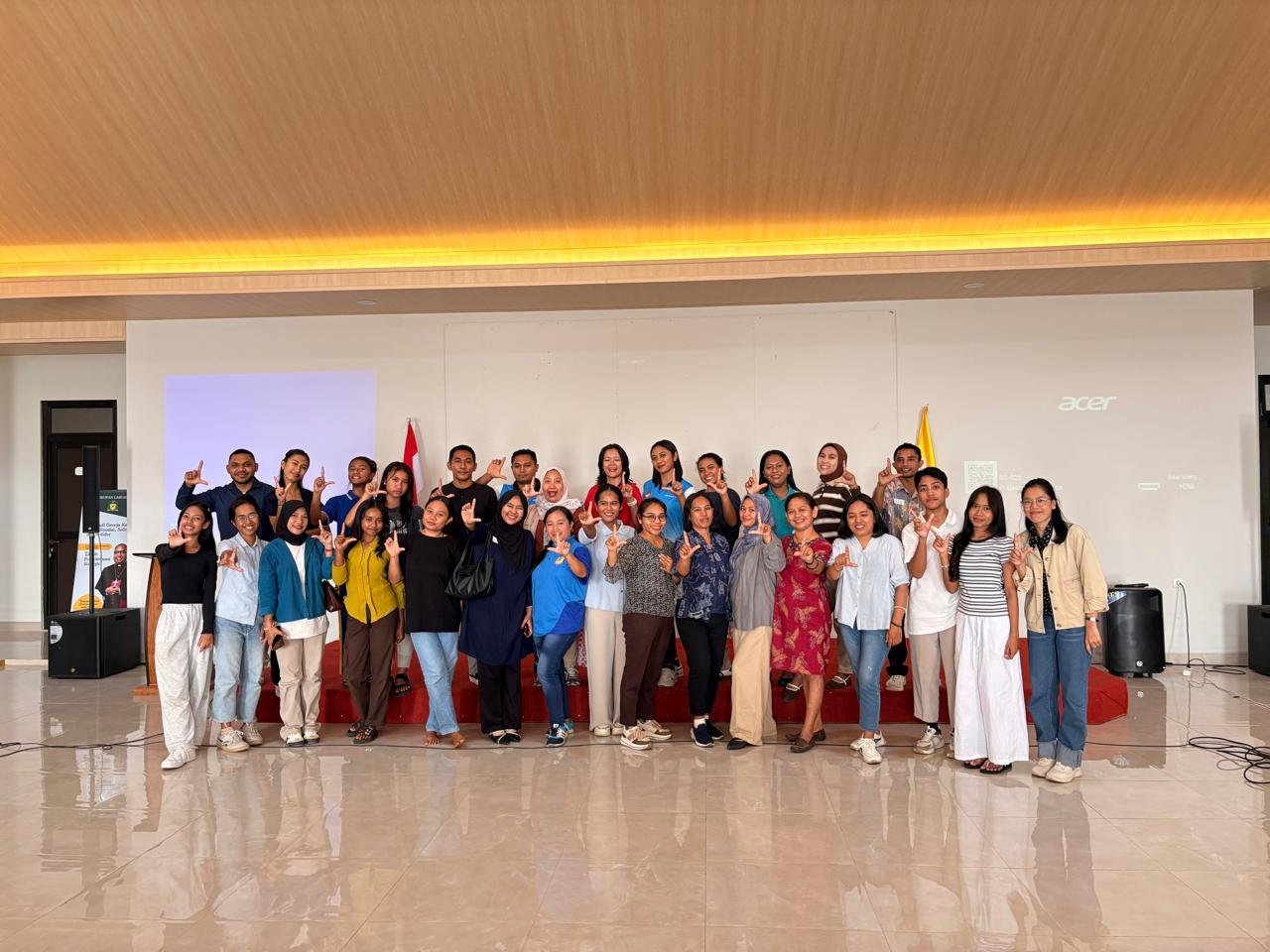
The Girls4Change Young Facilitators ToT was attended by twelve participants and officially opened by Drs. Yohanes Hani, M.Pd., Head of the West Manggarai Regency Bappeda, at the Labuan Bajo Seminary Hall on Wednesday, 21 October 2026. The training lasted three days, concluding on Friday, 23 October 2026.
Following the opening session, the participants were introduced to the facilitators who guided the training throughout the three days, namely Donatus Dula and Lina Agnesia. The participants then established group agreements to create a safe and inclusive discussion space, shared their expectations for the training, and completed a pre-test with an average score of 90. They were also encouraged to uphold the principles of meaningful youth participation, the right not to share personal experiences, the do-no-harm principle, and gender equality.
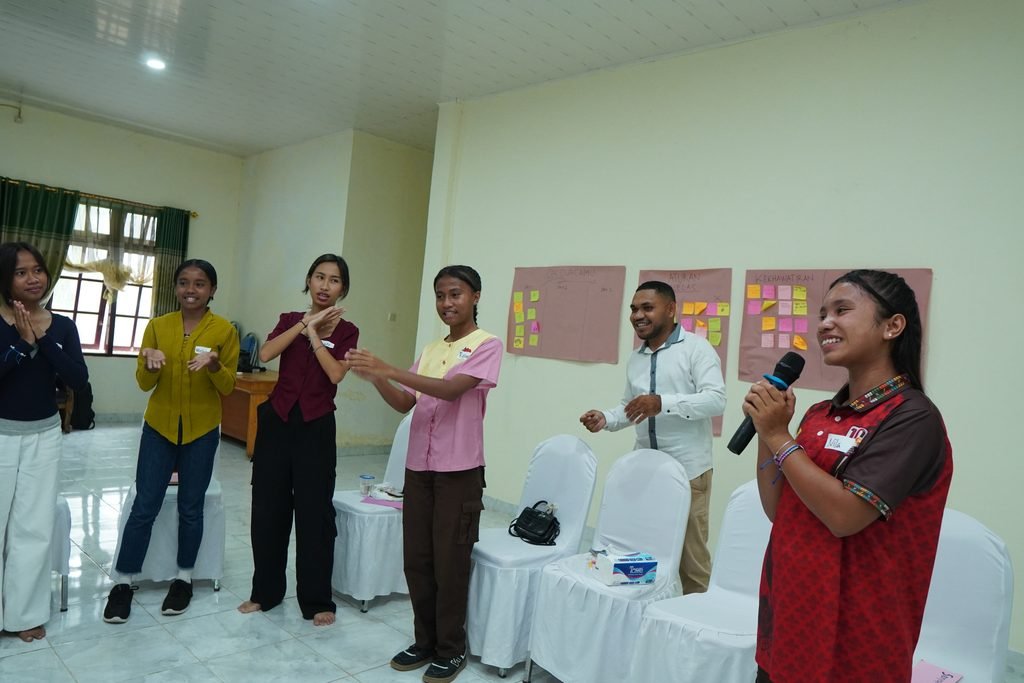
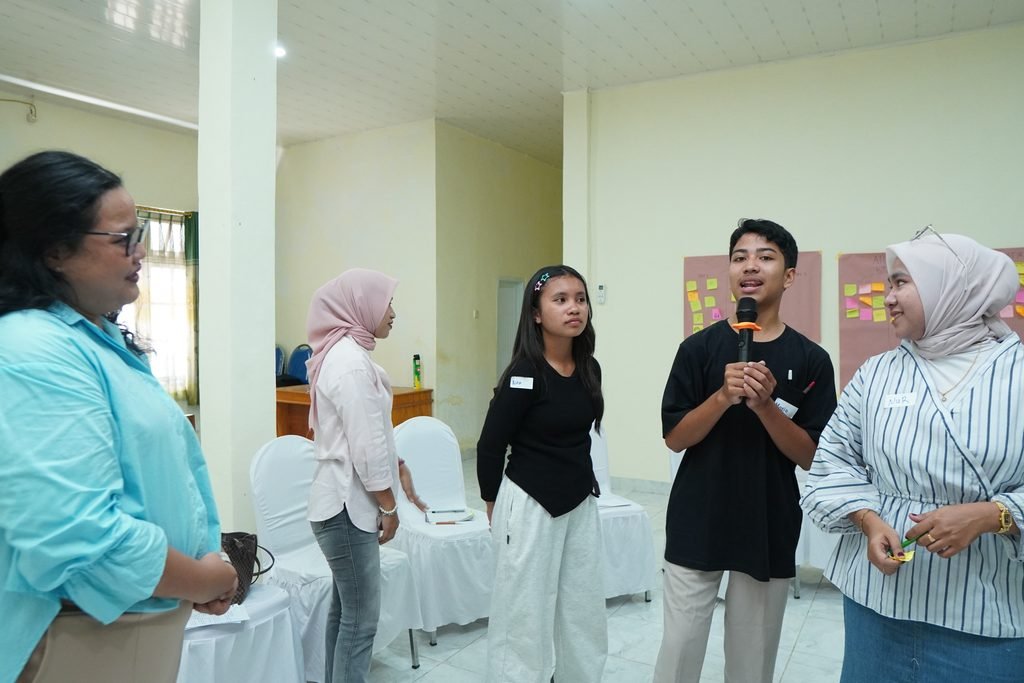
On the first day, participants explored self-awareness and self-acceptance (self-love) through drawing reflections and writing motivational letters to develop a growth mindset. The sessions continued with strengthening nine psychosocial skills and understanding different types of personal boundaries and consent to develop assertive communication. Participants also mapped their relationship circles and analysed case studies to better understand how to prevent dating violence and bullying.
On the second day, participants discussed the social construction of gender, stereotypes, different forms of inequality, intersectionality, and local culture. They were also encouraged to identify practical steps towards achieving their aspirations. The discussions then covered gender-based sexual violence, reproductive health education, and strategies for preventing and addressing child marriage and adolescent pregnancy. The second day concluded with a reflection session to strengthen self-confidence, followed by an introduction to the action plan for the 16 Days of Activism Against Gender-Based Violence (16 Days of Activism).
Participants also began to openly reflect on social realities in their communities, including challenges related to cyberbullying and the normalisation of child marriage due to economic factors and local cultural practices. The training received positive feedback from participants, including Fania.
“In my area, child marriage is often considered normal or accepted as part of everyday life. Through this training, I realised how important education on child marriage prevention and gender equality is, especially when these issues are brought into our communities and everyday conversations,” she said.
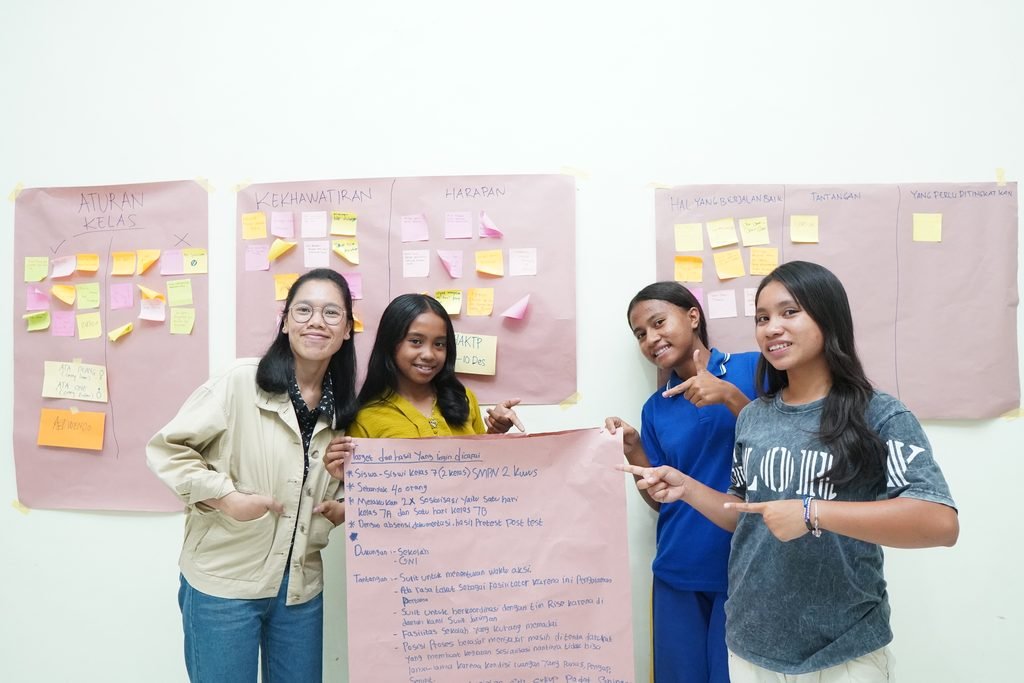
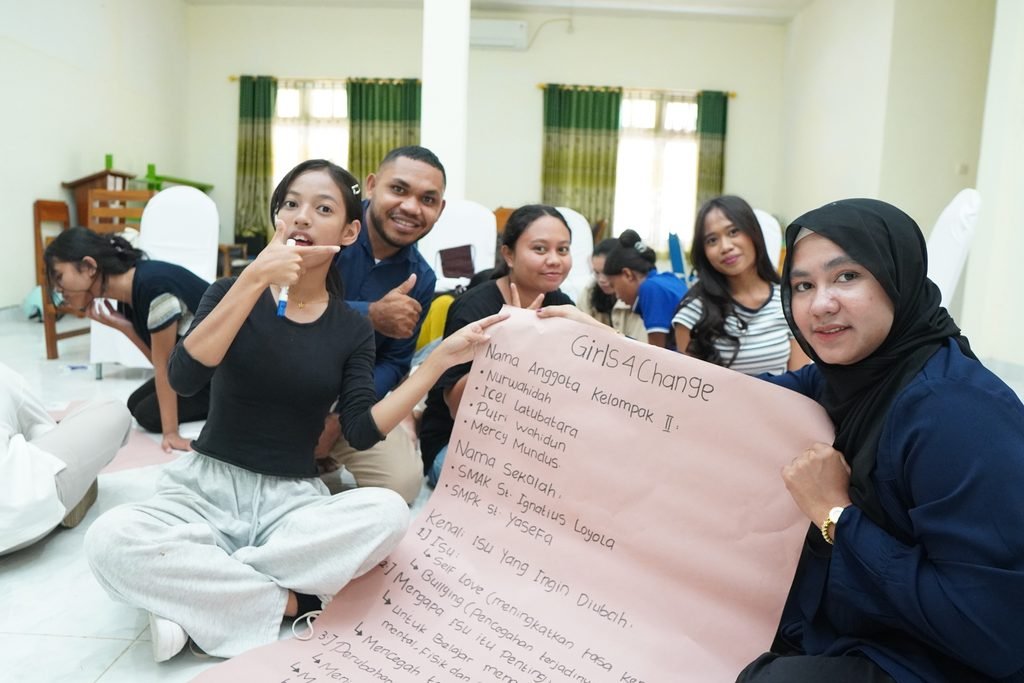
On the third day, participants completed a post-test and learned techniques for becoming active listeners. They were then divided into three groups to develop Girls4Change / Heroes Goes to School initiatives focusing on the 16 Days of Activism. The proposed peer education activities covered child marriage prevention, bullying, self-love, and intersectionality. Each group also developed strategies to address local infrastructure limitations in order to create safer and more inclusive school environments. These initiatives will target young people and senior secondary schools across West Manggarai Regency.
Through the Girls4Change ToT, participants are expected to be ready to serve as young facilitators with peer education session plans and the ability to conduct microteaching sessions, as well as provide constructive individual and group feedback. This initiative is expected to contribute to making West Manggarai Regency a safer and more supportive environment for children and young people, while ensuring that women’s rights are respected and fulfilled. In the long term, schools and community spaces are expected to develop into inclusive and safe learning environments that are free from violence and bullying.