West Manggarai – The food system in West Manggarai continues to face challenges in connecting local food production with the needs of communities and the tourism sector. The West Manggarai Regency Trade and Industry Office identified a supply-demand mismatch, particularly between local agricultural production and the food needs of hotels, restaurants, cafés, and tourist boats. At the same time, managing surplus food remains a challenge. According to research by the World Resources Institute (WRI) in 2024, food waste in West Manggarai was estimated at 4,836 tons, with 51% coming from the non-household sector.
These challenges are an important context for strengthening a local food system that involves various stakeholders. For two years, Urban Futures has provided a space for young people, communities, government, businesses, and local actors to learn and develop initiatives related to food and sustainability in West Manggarai. To date, the Urban Futures Indonesia consortium in West Manggarai has engaged 4,646 young people through 163 activities.
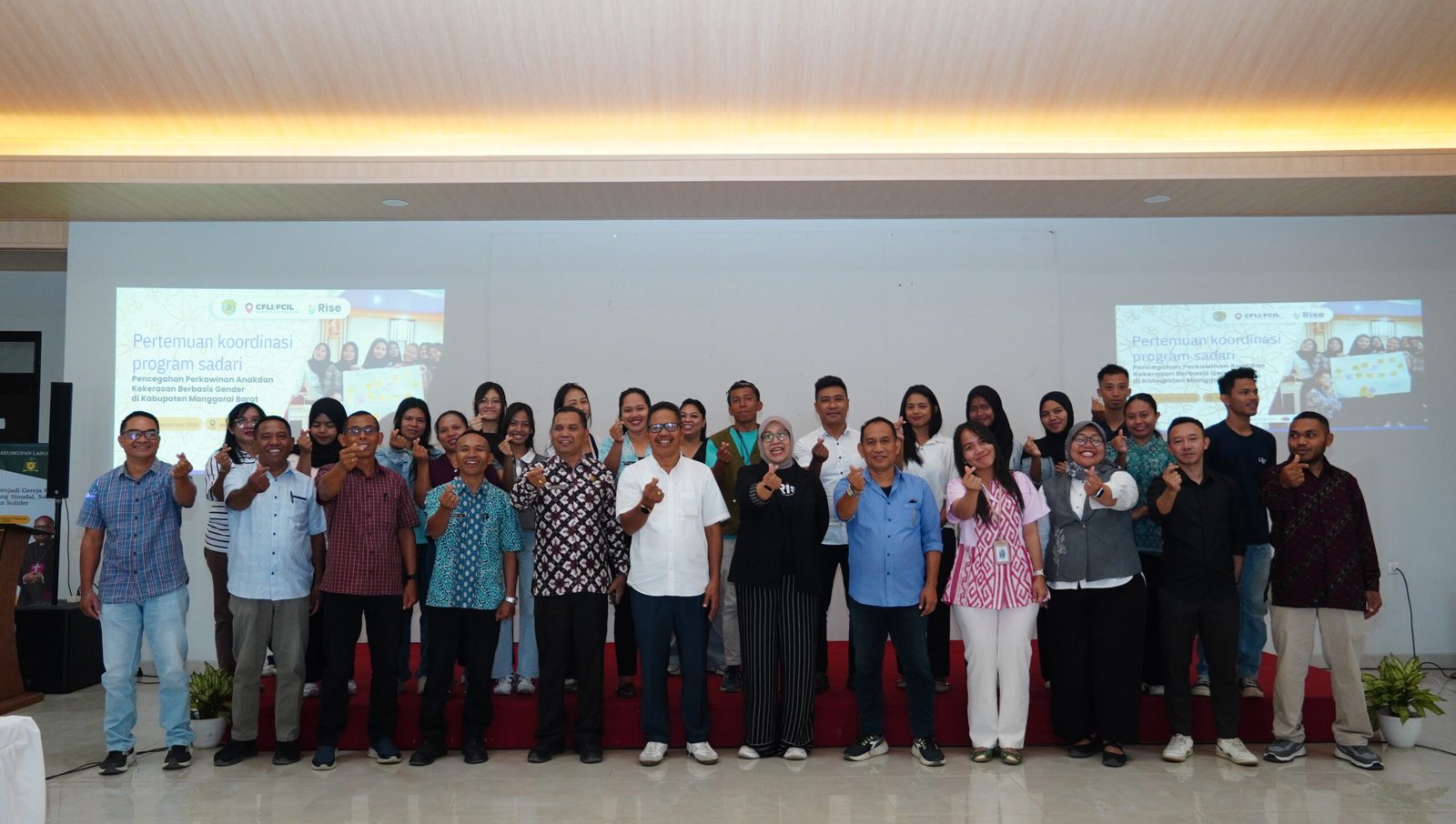
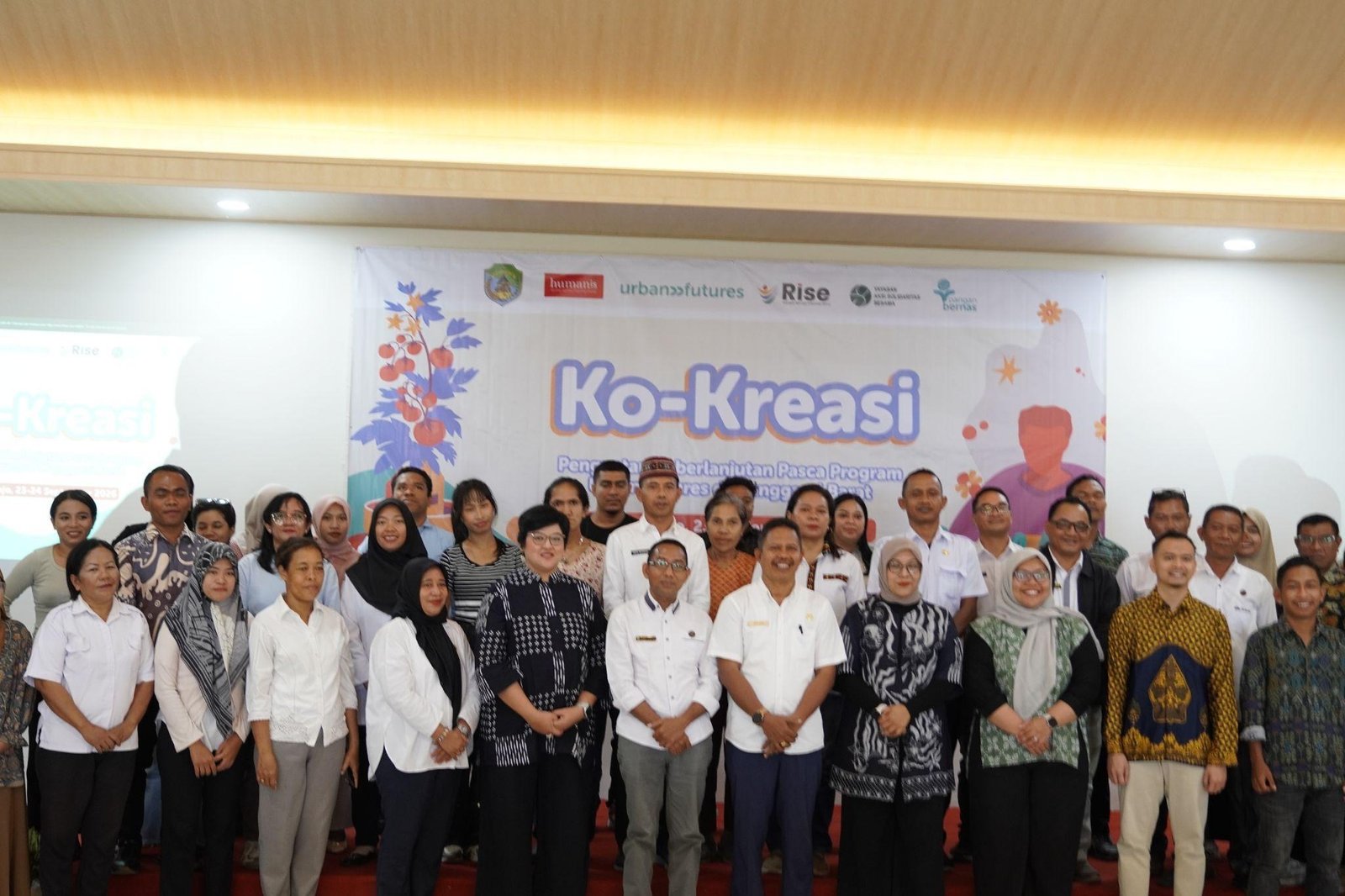
To identify insights and practices that can be continued after the program ends, Urban Futures and the Government of West Manggarai Regency held the Co-Creation: Strengthening Post-Program Sustainability of Urban Futures in West Manggarai on 23–24 September 2026 at the Labuan Bajo Diocese Hall.
Executive Director of RISE Foundation, Artin Wuriyani, said that the process developed throughout the program has provided shared learning to support the sustainability of local initiatives.
“These achievements show that Urban Futures is a collective effort built through collaboration among various stakeholders. The networks, experiences, and lessons developed throughout this process are important assets for strengthening the sustainability of initiatives in West Manggarai,” said Artin.
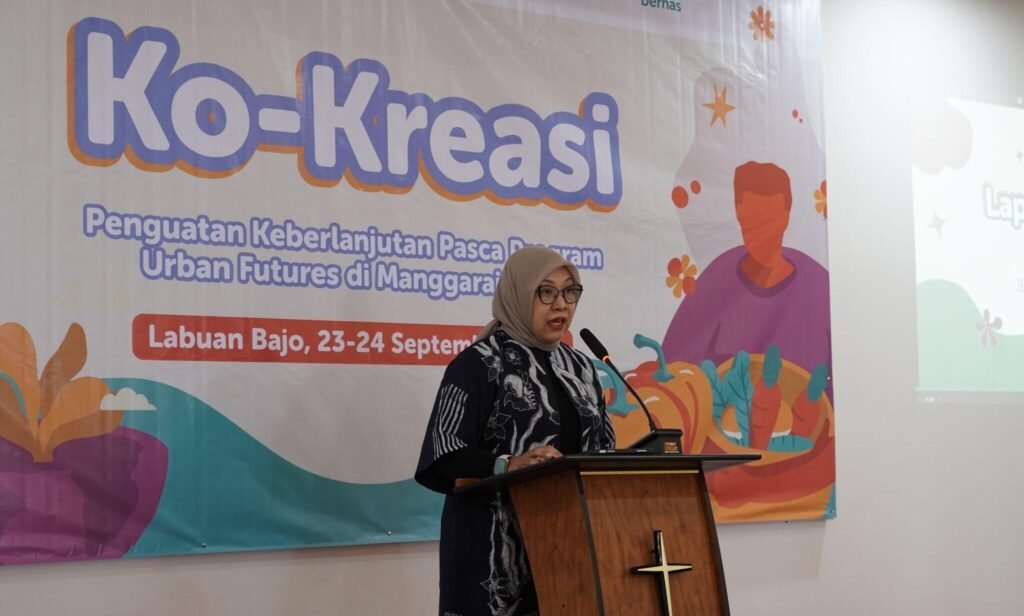
Head of the Regional Development Planning Agency (Bappeda) of West Manggarai Regency, Yohannes Hani, said, “West Manggarai, particularly Labuan Bajo, is a rapidly developing area that continues to face various development dynamics. This development brings opportunities, but it also requires an inclusive, sustainable, and resilient approach to development and management that focuses on improving people’s quality of life.”
Yohannes also expressed his hope that through the Co-Creation activity, participants could develop ideas, commitments, and concrete follow-up plans to support the sustainability of initiatives in West Manggarai.
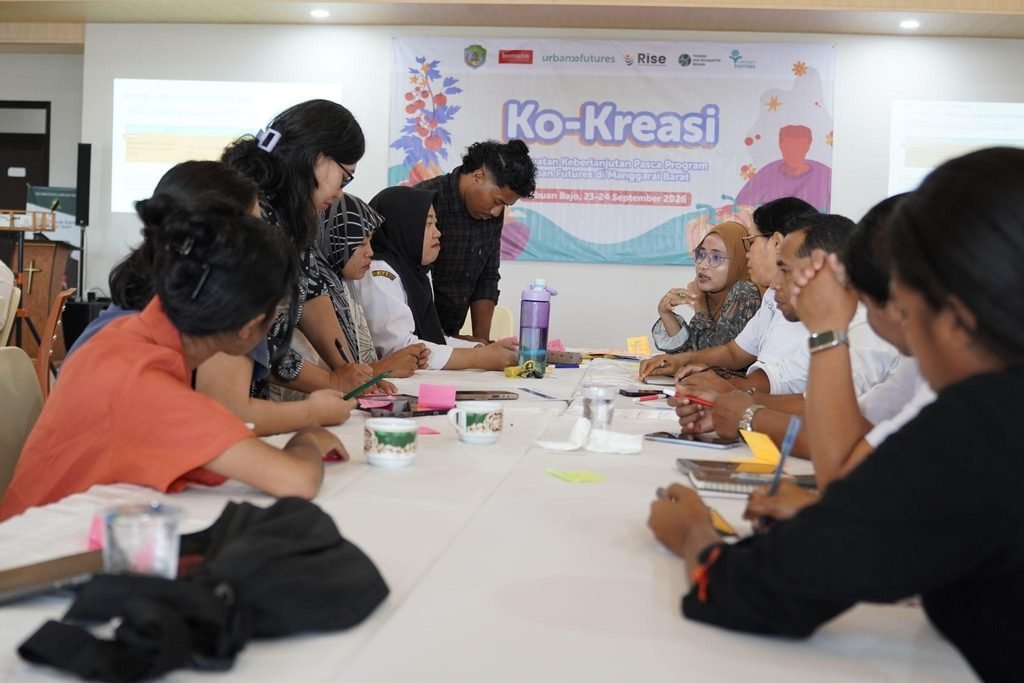
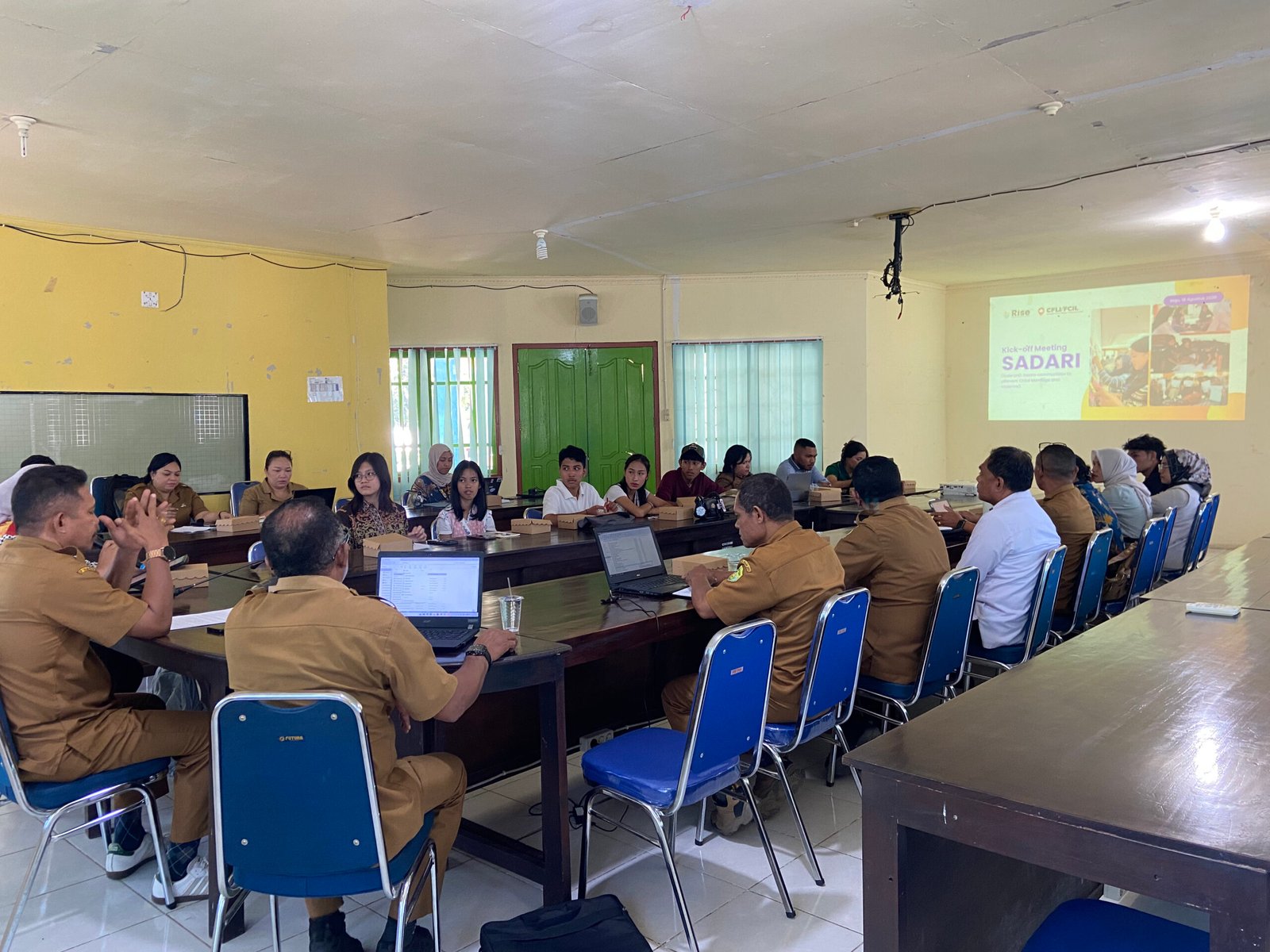
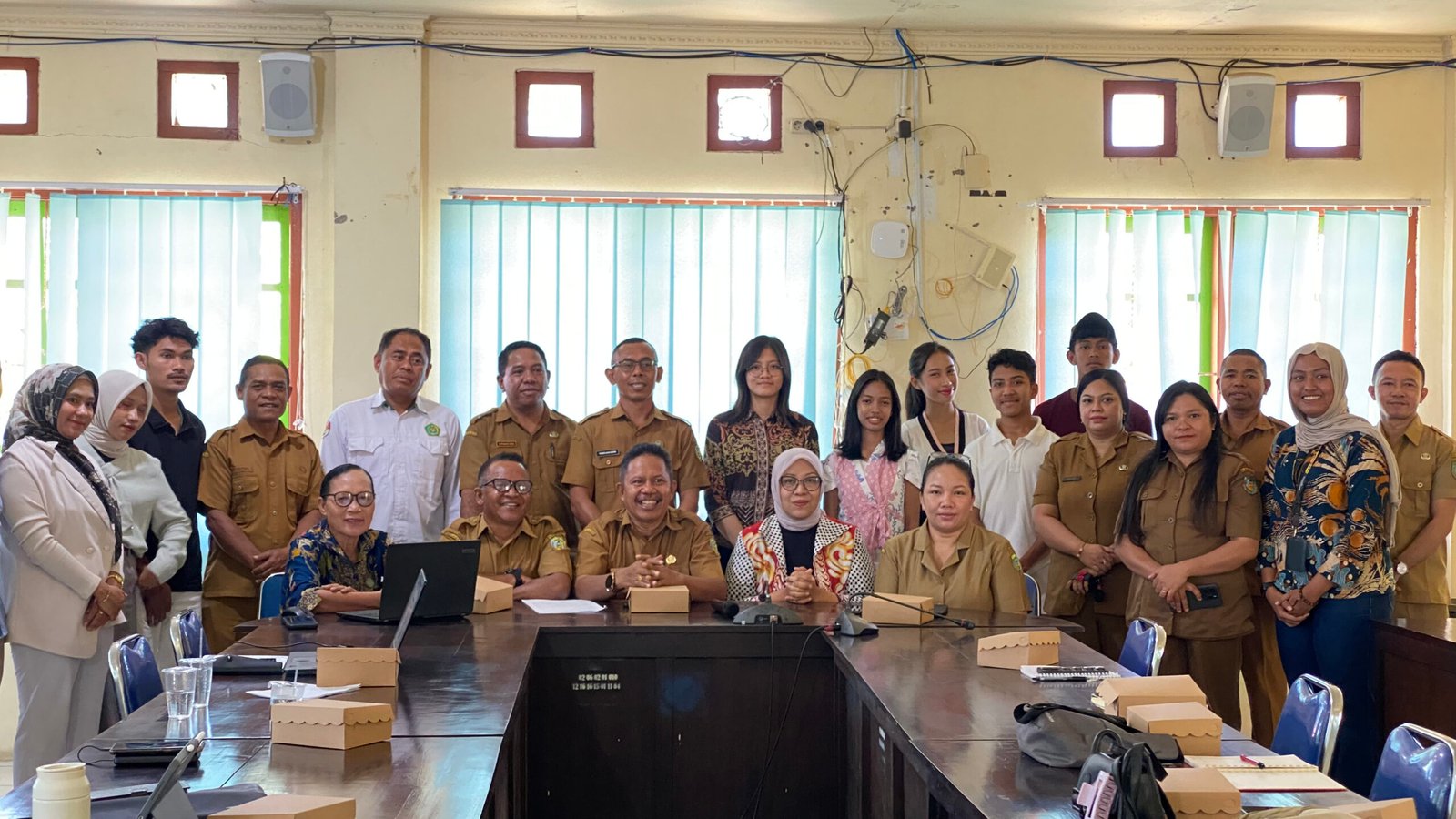
Through the Co-Creation process, participants discussed challenges and identified steps that could be developed after the program ends. The participants represented government institutions, communities, and young people in West Manggarai. The discussion identified the connection between production, markets, and consumers as one of the main challenges in the local food system. Local food products are available, but producers still face limitations in marketing and distribution, including in reaching the tourism and hospitality sectors. At the same time, some surplus food that remains safe for consumption was considered to have the potential to be distributed to people in need before becoming waste.
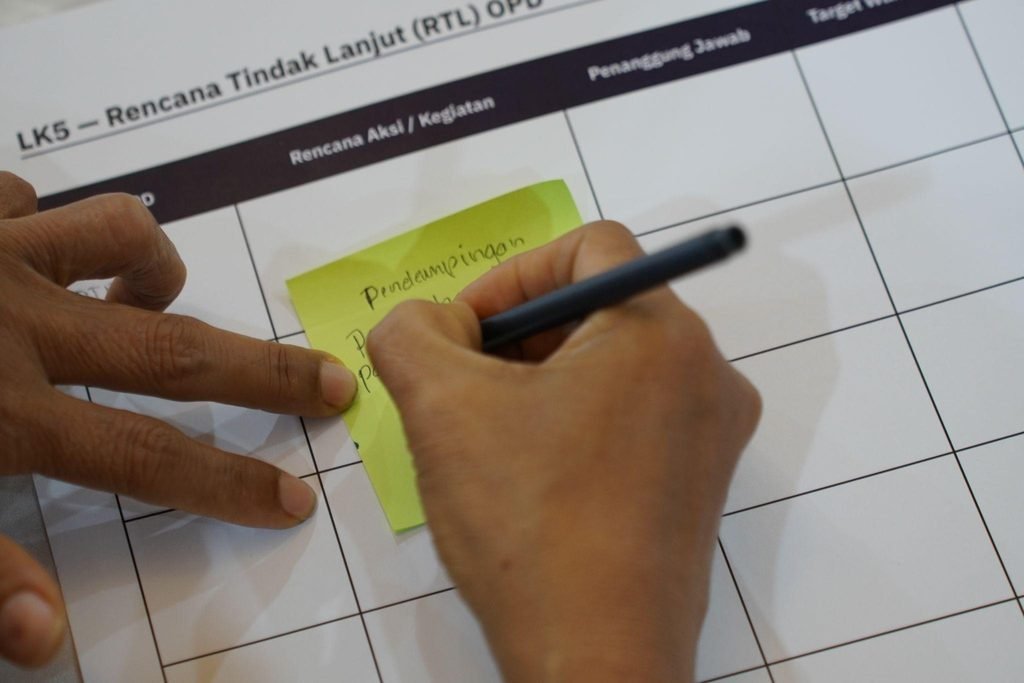
Therefore, participants proposed several follow-up actions, including mapping food potential and producer groups at the village level, strengthening support for local food production and businesses, and improving market access so that local products can reach communities and the tourism sector. Participants also encouraged the development of a surplus food rescue mechanism, from mapping food sources and recipients to strengthening distribution systems. In addition, promoting local food through schools, communities, public activities, and social media was considered important to increase public knowledge and interest in local food.
These efforts provide a foundation for continuing the lessons from Urban Futures after the program ends. Moving forward, the sustainability of these initiatives will depend on strong connections and collaboration among local actors, including government, young people, communities, businesses, and the wider public.