West Manggarai, 25 September 2026 – Preventing child marriage and gender-based violence (GBV) in West Manggarai Regency requires collaboration across sectors, including education, families, health services, and protection mechanisms. Data from Statistics Indonesia (BPS) of East Nusa Tenggara in 2020 showed that 7.28% of women who had ever been married in West Manggarai Regency had their first marriage before the age of 17. Meanwhile, the Labuan Bajo Religious Court recorded 28 cases of marriage dispensation, or permission to marry below the legal age of 19, in 2025.
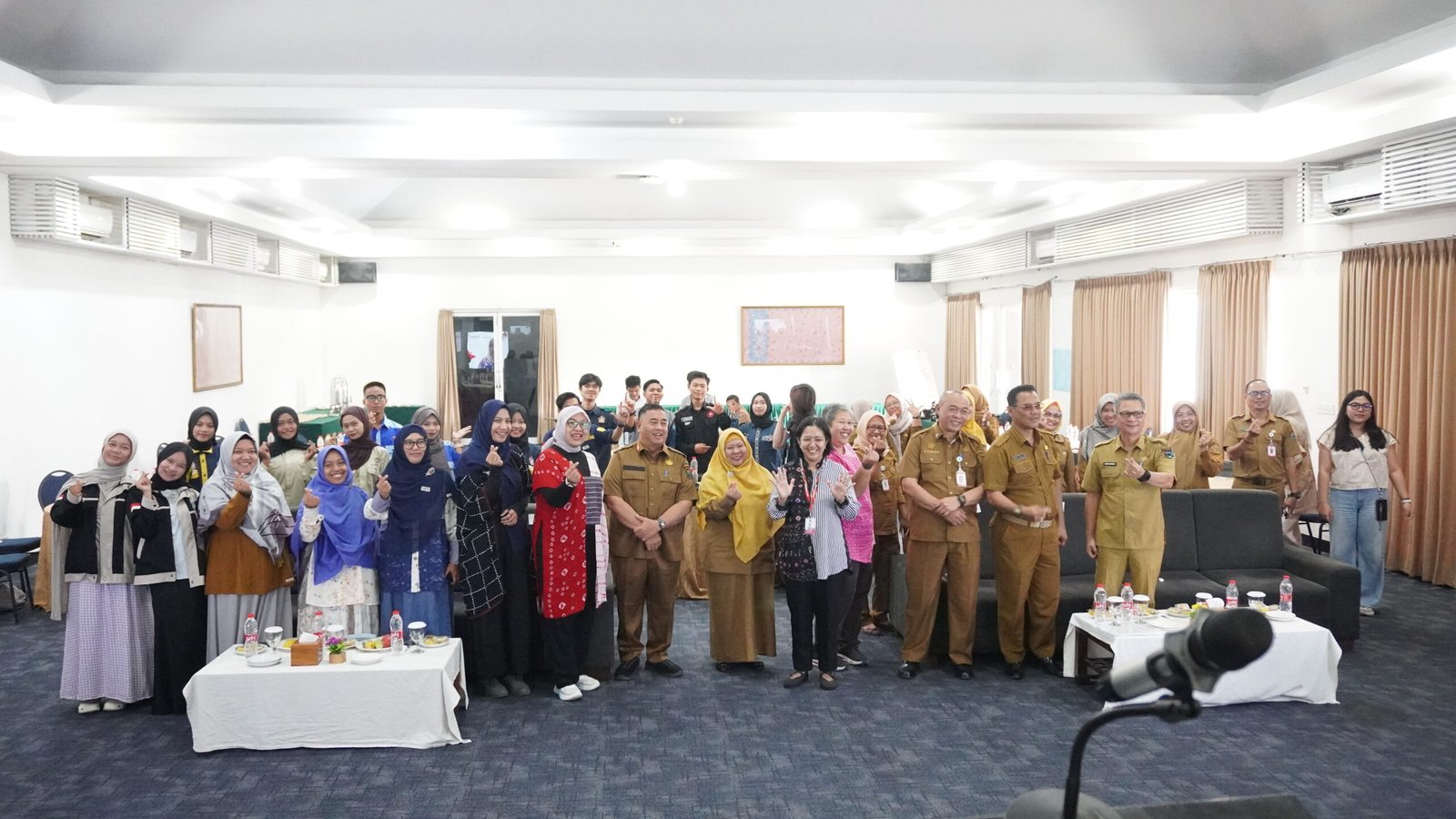
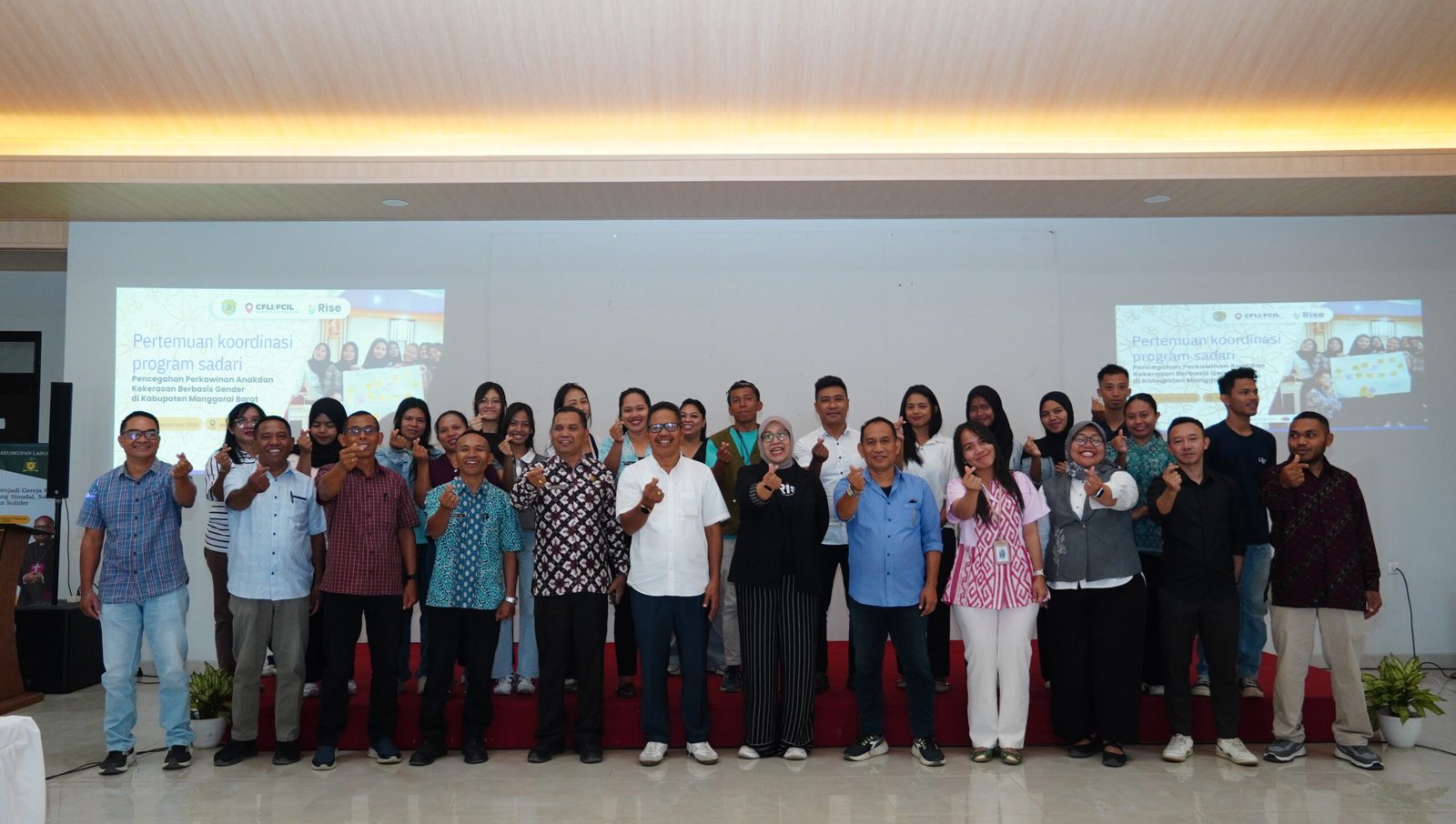
These two sets of data show the importance of strengthening efforts to prevent child marriage in West Manggarai. In response to this situation, RISE Foundation, in collaboration with the Canada Fund for Local Initiatives (CFLI) through Global Affairs Canada, held the SADARI Program (Safe and Aware Communities to Prevent Child Marriage and Violence) Coordination Meeting at the Unio Hall of the Diocese of Labuan Bajo on 25 September 2026.
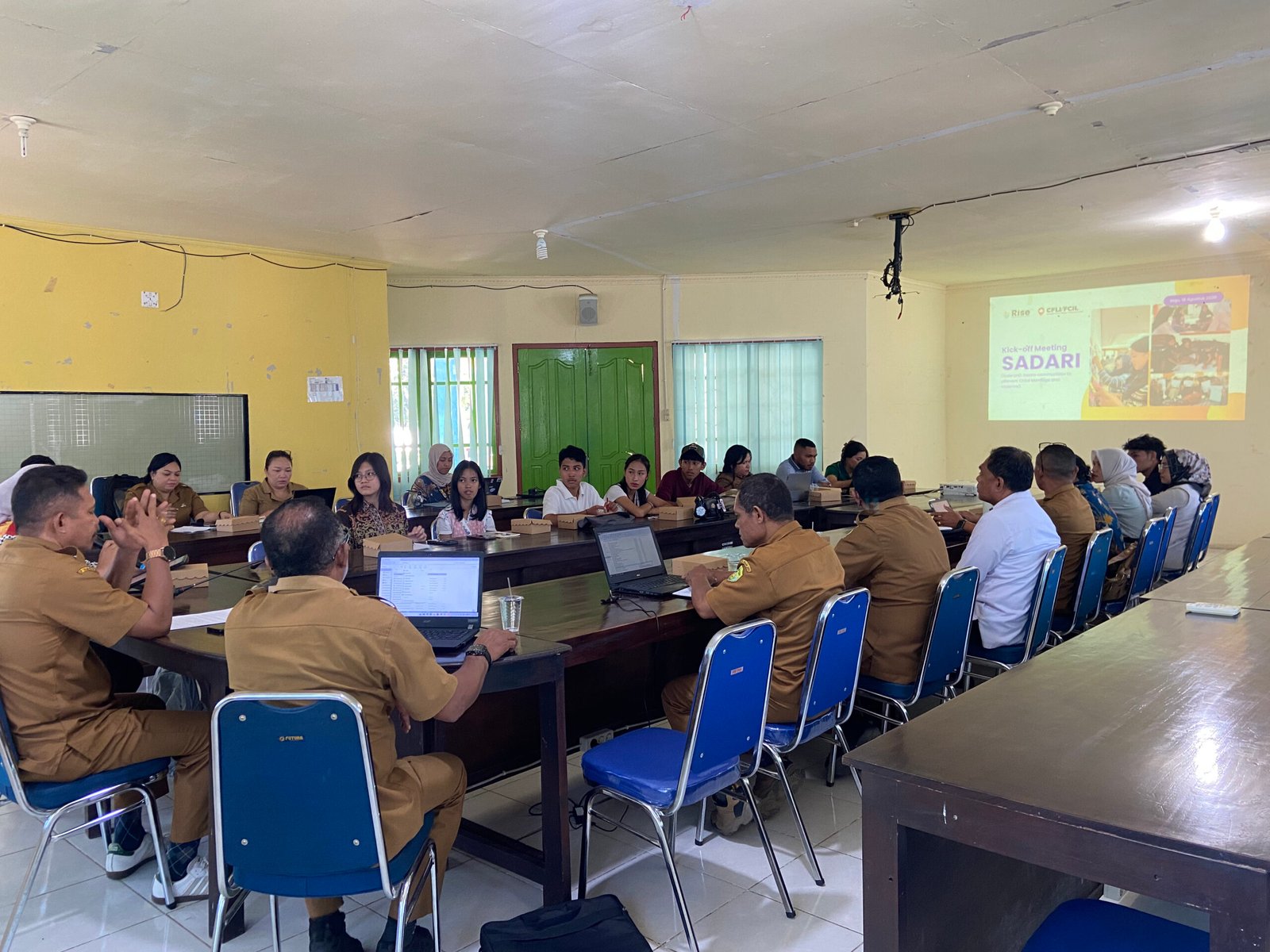
The meeting followed the SADARI Program Kick-Off held on 18 August 2026. Since the kick-off, the SADARI team has conducted an initial mapping process by collecting information on the existing services, ongoing programs, and challenges faced by young people. The mapping showed a continued need to strengthen coordination among programs, access to services, psychological support, the capacity of educators, and service coverage for vulnerable groups and areas.
At the same time, the mapping also showed that various stakeholders in West Manggarai already have programs and initiatives targeting children and young people. This situation provides an opportunity to build more integrated collaboration, so that existing programs and services can complement each other.
This is also in line with the statement by RISE Foundation Executive Director, Artin Wuriyani: “In our view, this issue is not the responsibility of one institution alone, but a shared responsibility. Collaboration does not mean that we have to do the same things. Each of us has different strengths and capacities. So, let us bring our respective strengths in the same direction.”
In her opening remarks, the Head of the Regional Development Planning Agency (Bappeda) of West Manggarai Regency, Yohanes Hani, highlighted the importance of collaboration in preventing violence influenced by social norms and environments. “So, let us prevent gender-based violence and address this issue through collaboration. We can start with education, from junior high schools, through mitigation efforts at home and within our families,” said Yohanes.
The meeting also brought together perspectives from the health and education sectors. The West Manggarai Health Office presented the situation and policies related to adolescent reproductive health. Meanwhile, the West Manggarai Education, Youth, and Sports Office (PKO) presented government programs and commitments to strengthen reproductive health education and protect women and children from violence.
The Head of the West Manggarai Education, Youth, and Sports Office, Agustinus Gias, explained that reproductive health education still faces several challenges, which can be summarized through the concept of the “3Ts”: Taboo to talk about, Too afraid to access health services, and Scattered data. He also encouraged stronger reproductive health strategies through schools, families and communities, as well as health and legal services.
At the school level, efforts to strengthen reproductive health education are directed toward integrating relevant topics into learning, developing Child-Friendly Schools, and providing consultation spaces and peer counselling. Meanwhile, at the family and community levels, the involvement of parents, traditional leaders, and religious leaders is considered important to strengthen communication between parents and children, while also building a more equal understanding of reproductive health and the role of women.
These different perspectives were further discussed through a Focus Group Discussion (FGD). Participants from various sectors worked together to identify challenges, potential, needs, and gaps in preventing child marriage and GBV in West Manggarai. The meeting resulted in a shared cross-sector understanding of the challenges and gaps in preventing child marriage and GBV in West Manggarai Regency, particularly in education, access to and integration of services, reporting mechanisms, support, and protection for young people. Participants also identified the importance of strengthening coordination among programs and mapping priority areas to make prevention efforts more effective.
Going forward, the results of the SADARI Program Coordination Meeting will serve as a basis for further operational research, validation of priority issues, and the development of SADARI Program interventions that are relevant to the context of West Manggarai. Collaboration among the local government, educational institutions, families, community and religious leaders, service providers, civil society organizations, and other stakeholders is expected to continue and become stronger in building a safer, more connected, and responsive protection ecosystem for young people.