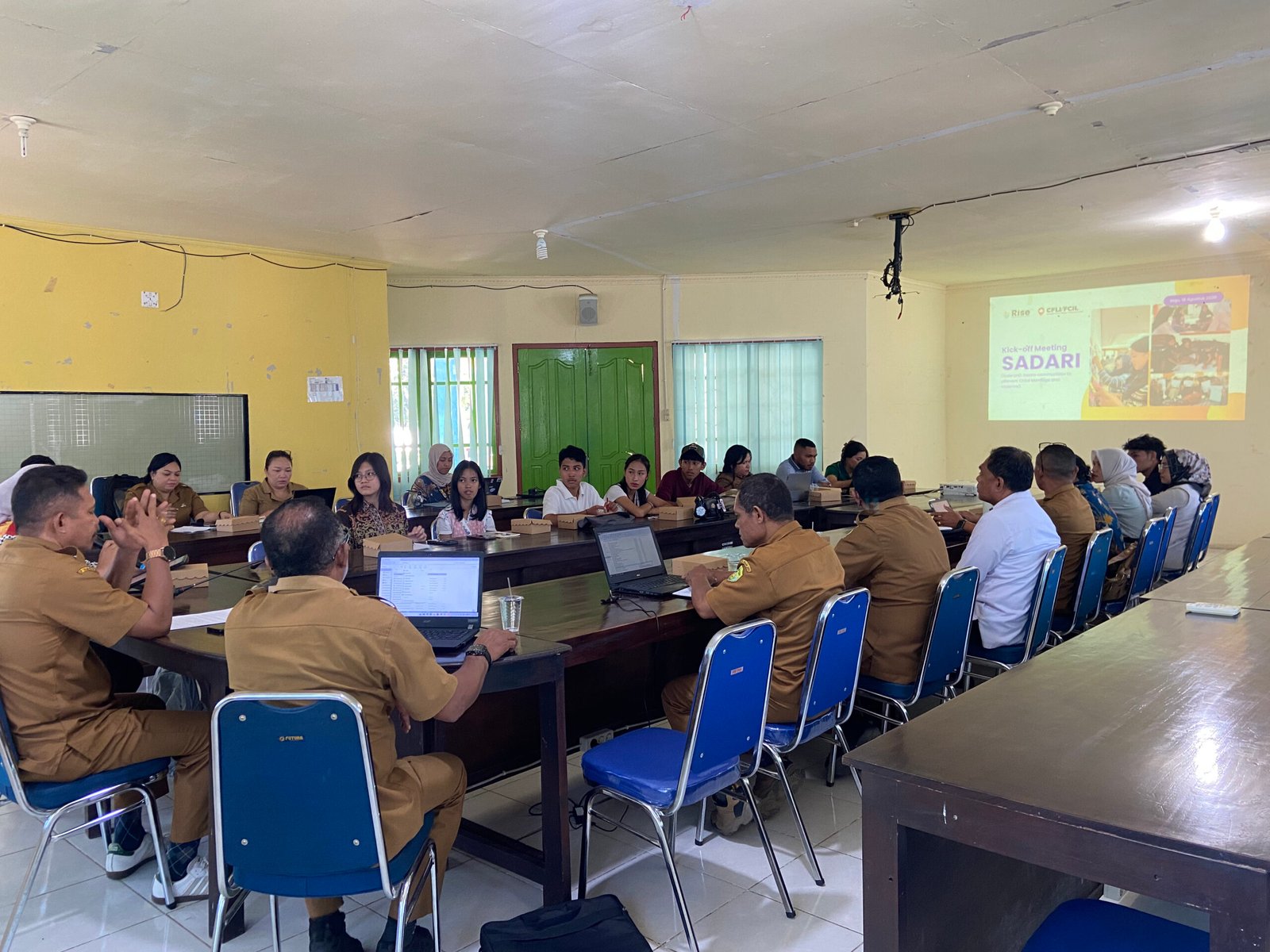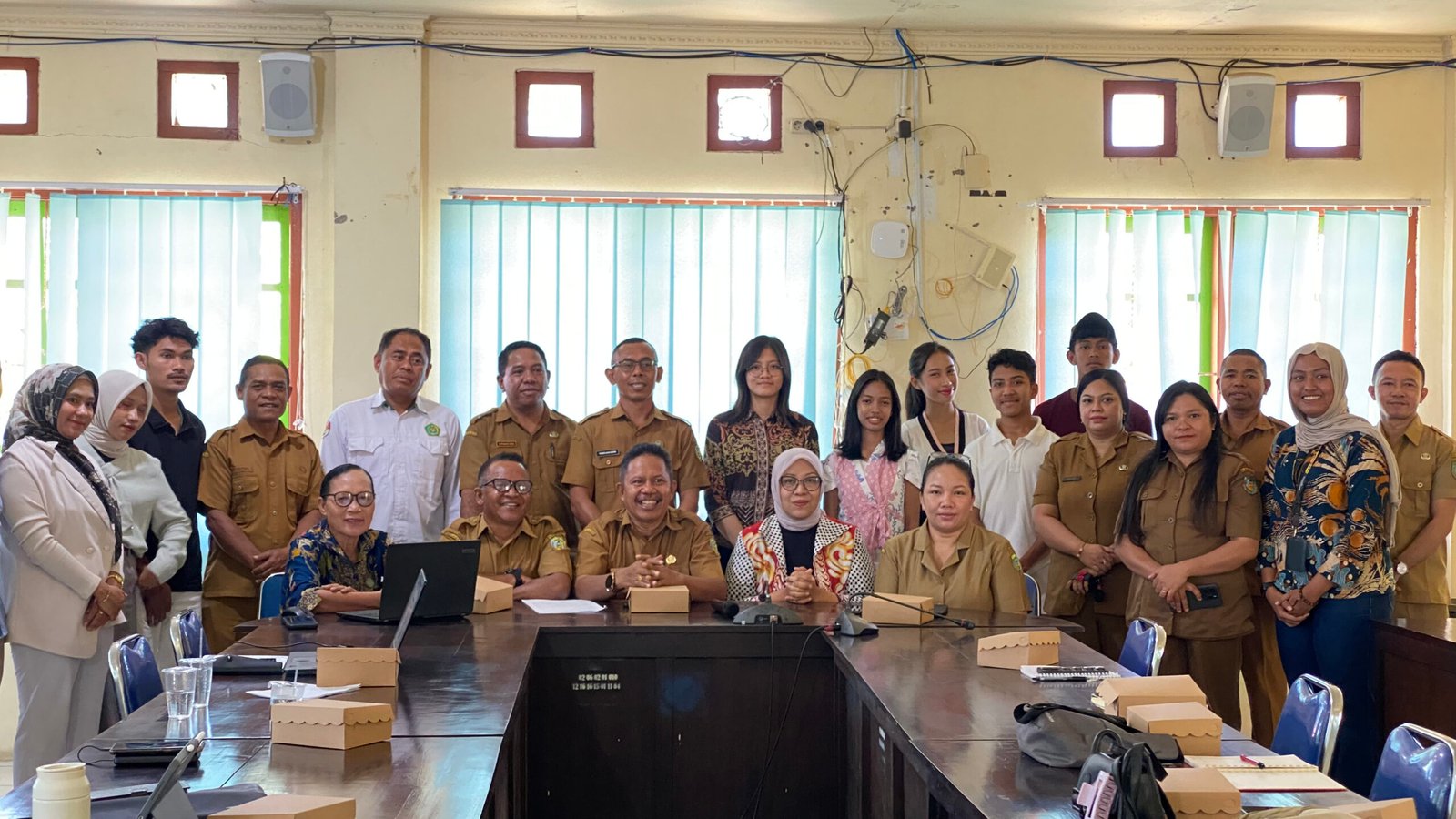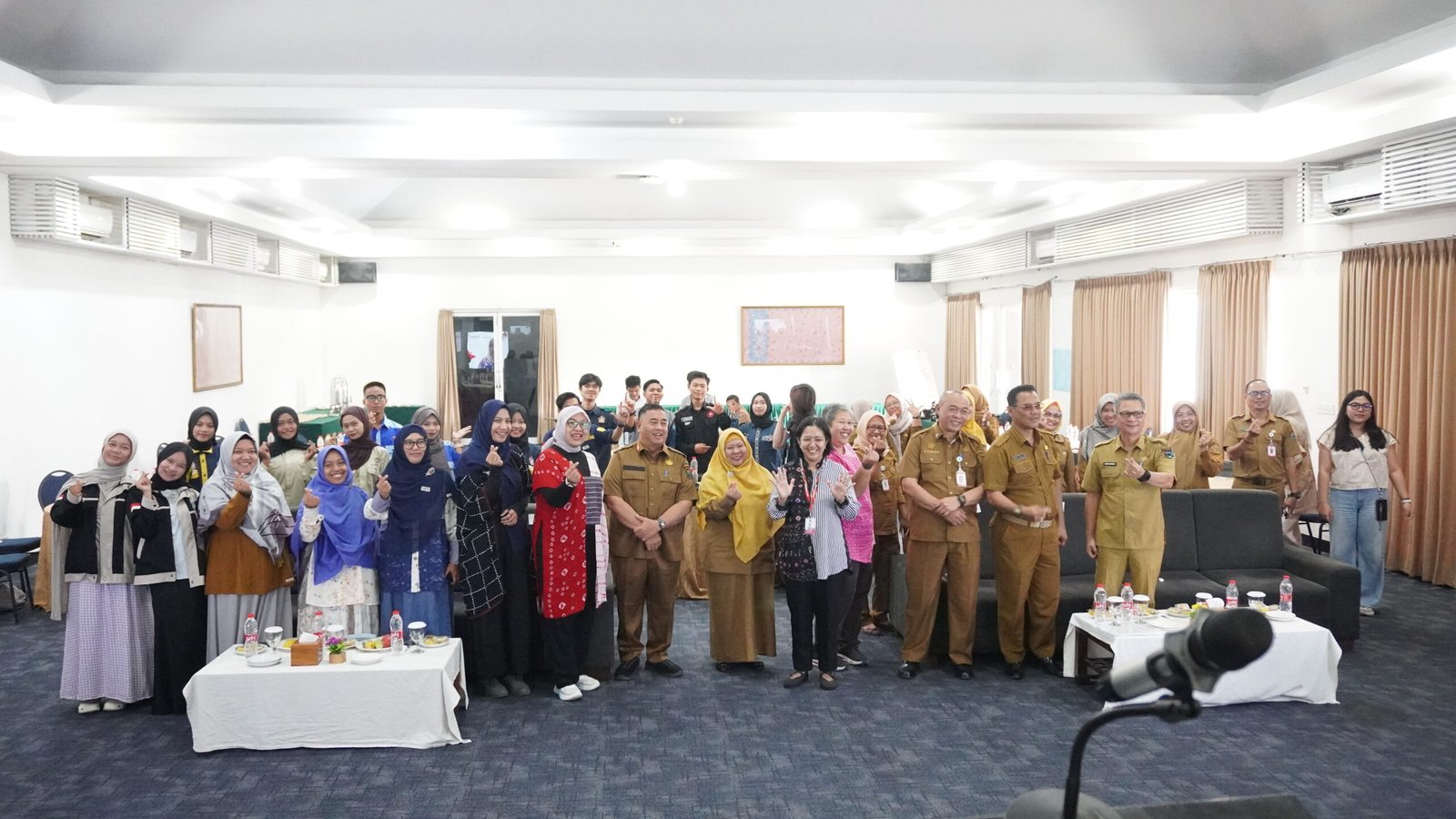
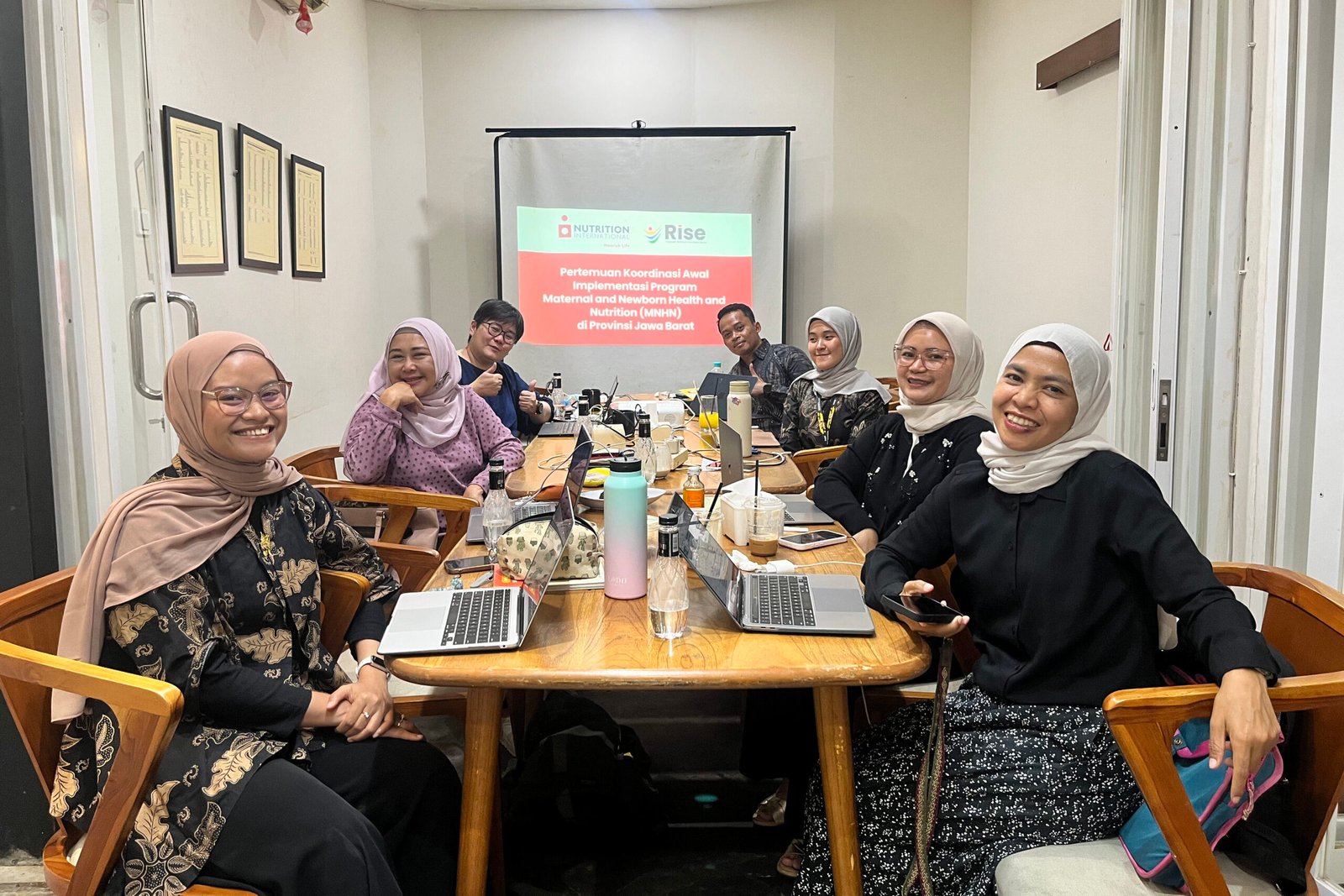
Strengthening maternal health and nutrition requires both high-quality services and a robust support system. To drive this initiative forward, RISE Foundation, in partnership with Nutrition International, initiated a collaboration with the West Java Provincial Health Office through the Initial Coordination Meeting for the Implementation of the Maternal and Newborn Health and Nutrition (MNHN) Program in Bandung on Friday (Sept 11).
This meeting served as a platform to align program priorities and identify essential needs to enhance health and nutrition services for mothers and infants across West Java. Various strategic issues were discussed, ranging from the strengthening of Integrated Antenatal Care (ANC), Multiple Micronutrient Supplementation (MMS), and Expectant Mothers Classes (Kelas Ibu Hamil), to building the capacity of Posyandu cadres, improving referral systems, refining data governance, and ensuring the availability and acceptance of maternal supplements.
The enhancement of services at healthcare facilities must go hand in hand with strong support at the community level. Several on-the-ground challenges were discussed, including the heavy workload of cadres, limited utilization of technology and medical tools, issues of double reporting, and the suboptimal reporting networks with private healthcare facilities.
Running through 2027, this collaboration will focus on developing and disseminating calcium supplementation guidelines for pregnant women. It will also seek to deepen stakeholders’ understanding of Integrated ANC, MMS, Expectant Mothers Classes, and Social and Behavior Change (SBC) strategies, while actively reviewing MMS and SBC materials to ensure they are fully inclusive and accessible for persons with disabilities.
The MNHN program will further strengthen the local government’s commitment and investment in maternal nutrition through ongoing coordination and advocacy with the provincial government. This includes pushing for financing advocacy to be integrated directly into regional planning and budgeting processes.
Alongside the strengthening of policies and services, regular coordination and monitoring mechanisms will be established to ensure that program progress can be closely tracked and collectively addressed. The perspective of inclusion will be further reinforced by actively involving persons with disabilities in the co-design process, ensuring that the development of guidelines and educational materials remains highly responsive to the needs of diverse groups.
Through this collaborative effort between RISE Foundation, Nutrition International, and the West Java Provincial Health Office, the MNHN program is expected to build an inclusive and sustainable maternal health and nutrition ecosystem. Ultimately, this will strengthen the overall capacity of the system, ensuring that the program’s benefits continue to be felt well into the future.