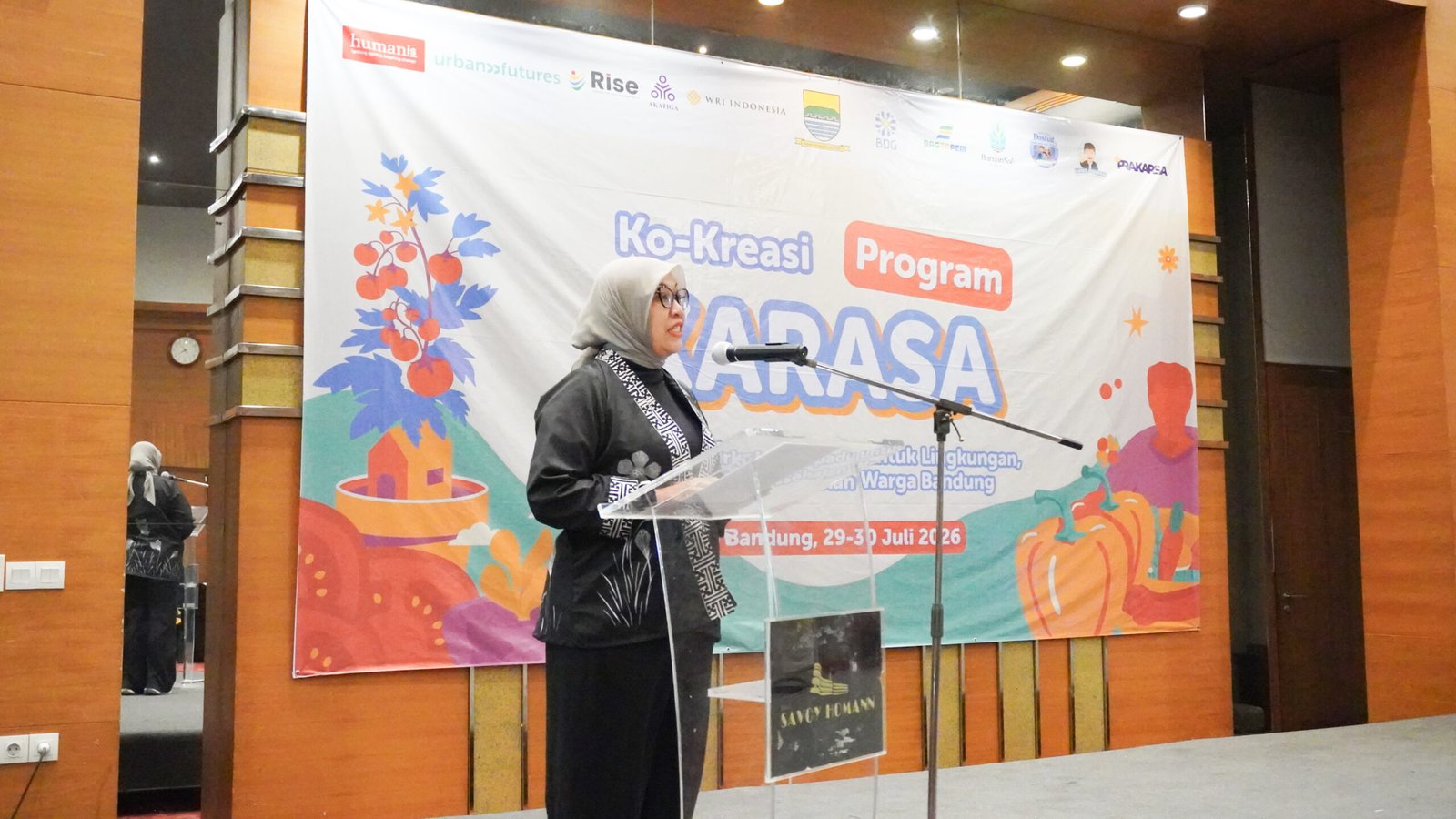
Bandung – Urban Futures Indonesia, together with the Bandung City Government and partners, is committed to building integrated governance that connects waste management, food security, and stunting prevention in Bandung City. As a form of this commitment, the formulation of Standard Operating Procedures (SOP) was arranged to serve as the foundation for strengthening implementation on July 29-30, 2026.
The drafting of the SOP was carried out amidst the increasingly complex challenges of the urban food system. Data from the Bandung City Environmental Agency (DLH) in 2024 recorded that the city produces around 1,600 tons of waste per day, with nearly 45 percent of it being food waste. On the other hand, 96 percent of Bandung City’s food supply still relies on other regions. The 2024 Indonesian Nutritional Status Survey (SGGI) also showed that the number of stunting cases in Bandung City reached 22.8 percent.
These various conditions indicate that the issues of waste, food, and public health are interconnected. Various studies on urban food systems emphasize the importance of a cross-sectoral approach that links food waste management, food production and distribution, and the fulfillment of public nutrition to make interventions more effective and sustainable.
Responding to this challenge, the Bandung City Government developed the KARASA Program as a community-based development approach integrating three main initiatives: Kang Pisman (Reduce, Separate, Utilize) for waste management, Buruan SAE (Healthy, Natural, Economic) for food security through urban farming, and DASHAT (Healthy Kitchens to Overcome Stunting) to support the fulfillment of family nutrition. These three are implemented through three pillars: KARASA Bersih (Clean), KARASA SAE, and KARASA Sehat (Healthy).
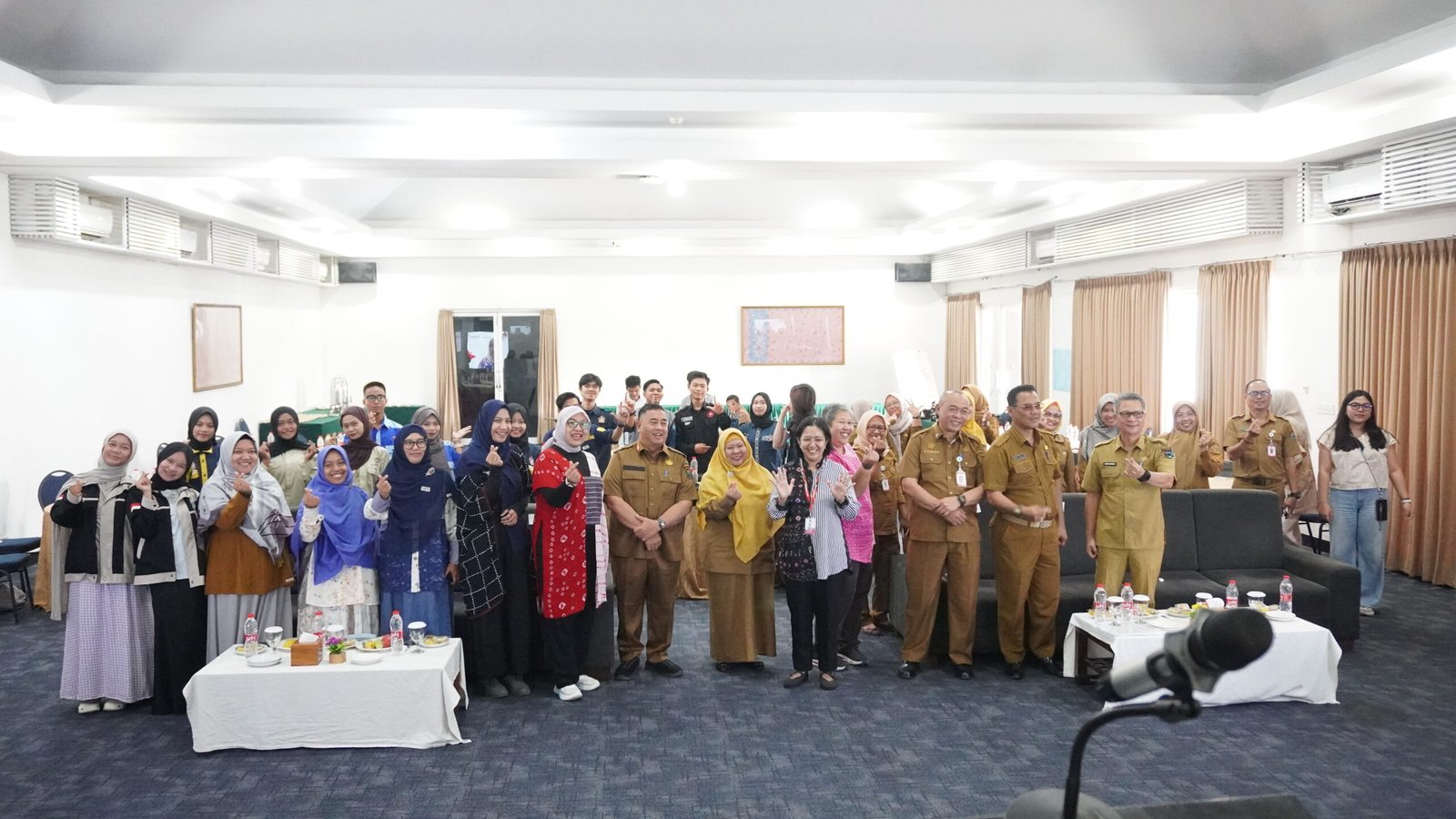
As part of strengthening the implementation of the program, Urban Futures Indonesia and the Bandung City Government organized the KARASA Program Co-Creation, involving more than 80 participants from regional apparatuses, civil society organizations, communities, youth, and regional-level KARASA implementers. Through multi-stakeholder discussions, participants mapped out challenges, identified needs, and drafted the SOP based on field experiences.
The process produced two main outputs: the KARASA program SOP as a guideline for implementation and coordination among stakeholders, and recommendations for governance and multi-stakeholder collaboration models to clarify the roles of the government, development partners, communities, and youth.
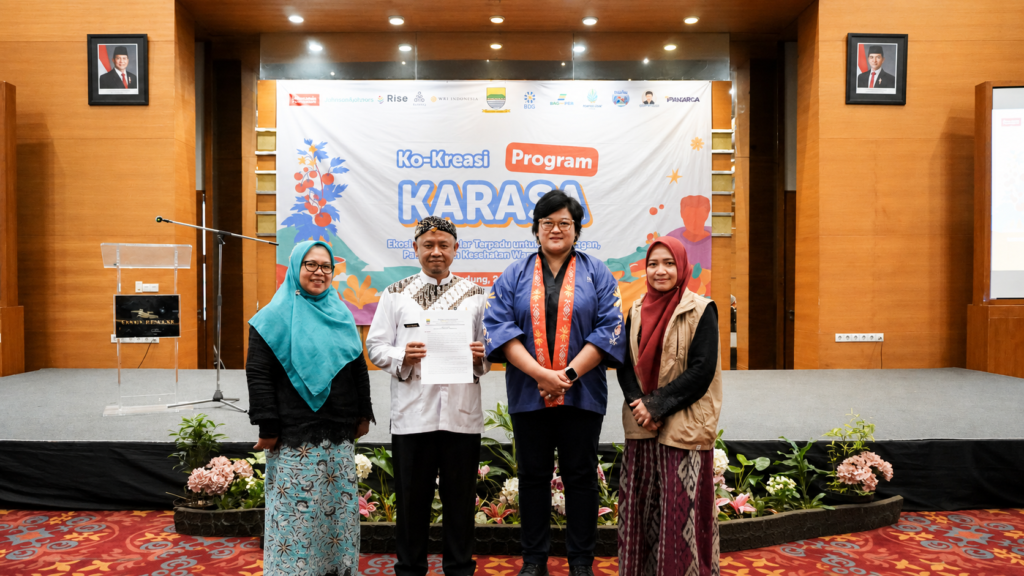
Representing the Mayor of Bandung, the Head of the Bandung City Department of Population Control and Family Planning, Anhar Hadian, appreciated the participatory approach applied during the Co-Creation process. According to him, this method provided a space for all participants not only to be discussion attendees but also to share experiences and knowledge, which were then jointly formulated into recommendations and the Draft Standard Operating Procedures (SOP) for the KARASA Program.
“Bandung City still faces various challenges, ranging from waste management to stunting. We believe that as long as the government, development partners, and the community continue to work together, KARASA can be part of the solution for Bandung City,” added Anhar Hadian.
This approach is in line with the vision of Urban Futures, which views food systems, health, waste management, climate action, and youth well-being as parts of a single interconnected system. Therefore, the strengthening of the KARASA Program is carried out through cross-sectoral collaboration and the active involvement of stakeholders.
In her opening remarks, the Regional Coordinator of Urban Futures Indonesia, Laily Syukriah Himayati, stated, “Support for strengthening KARASA is part of the Urban Futures program’s commitment to assisting the transformation of Bandung City’s food system. This effort aligns with the program’s mandate to realize a livable, climate-resilient, and prosperous city through a just and sustainable food system approach.”
This event also provided space for youth involvement in formulating solutions. Representatives of the Majlis Simpang Muda (MSM) and Generasi Berencana (GenRe) of Bandung City also shared their perspectives on the importance of youth participation in sustainable urban development.
As the implementing team for the co-creation activity, the Executive Director of the RISE Foundation, Artin Wuriyani, emphasized that the results of the co-creation are a reflection of the contributions of various parties. “The Draft SOP for the KARASA Program produced through this co-creation process does not belong to a single institution or organization. This document is the result of a process of listening, dialoguing, and uniting experiences from various parties,” said Artin Wuriyani.
Moving forward, the Bandung City Government, alongside Urban Futures Indonesia and partners, will continue the process of refining the Draft SOP for the KARASA Program through a cross-regional apparatus review before it is implemented as a guideline for program execution. The collaboration built through the co-creation process is expected to strengthen governance, clarify role divisions, and ensure the sustainability of the KARASA Program in supporting a more sustainable urban food system.