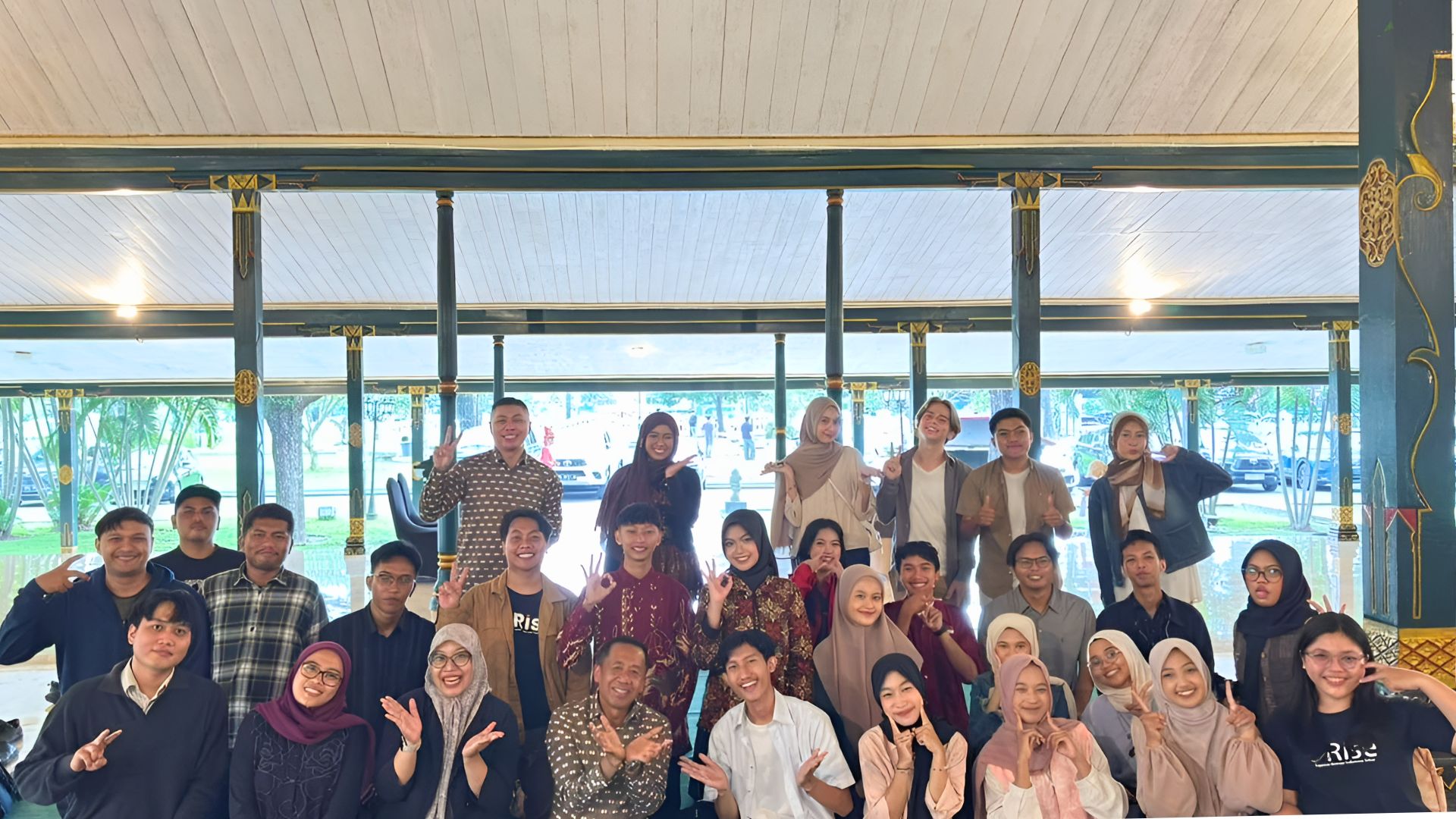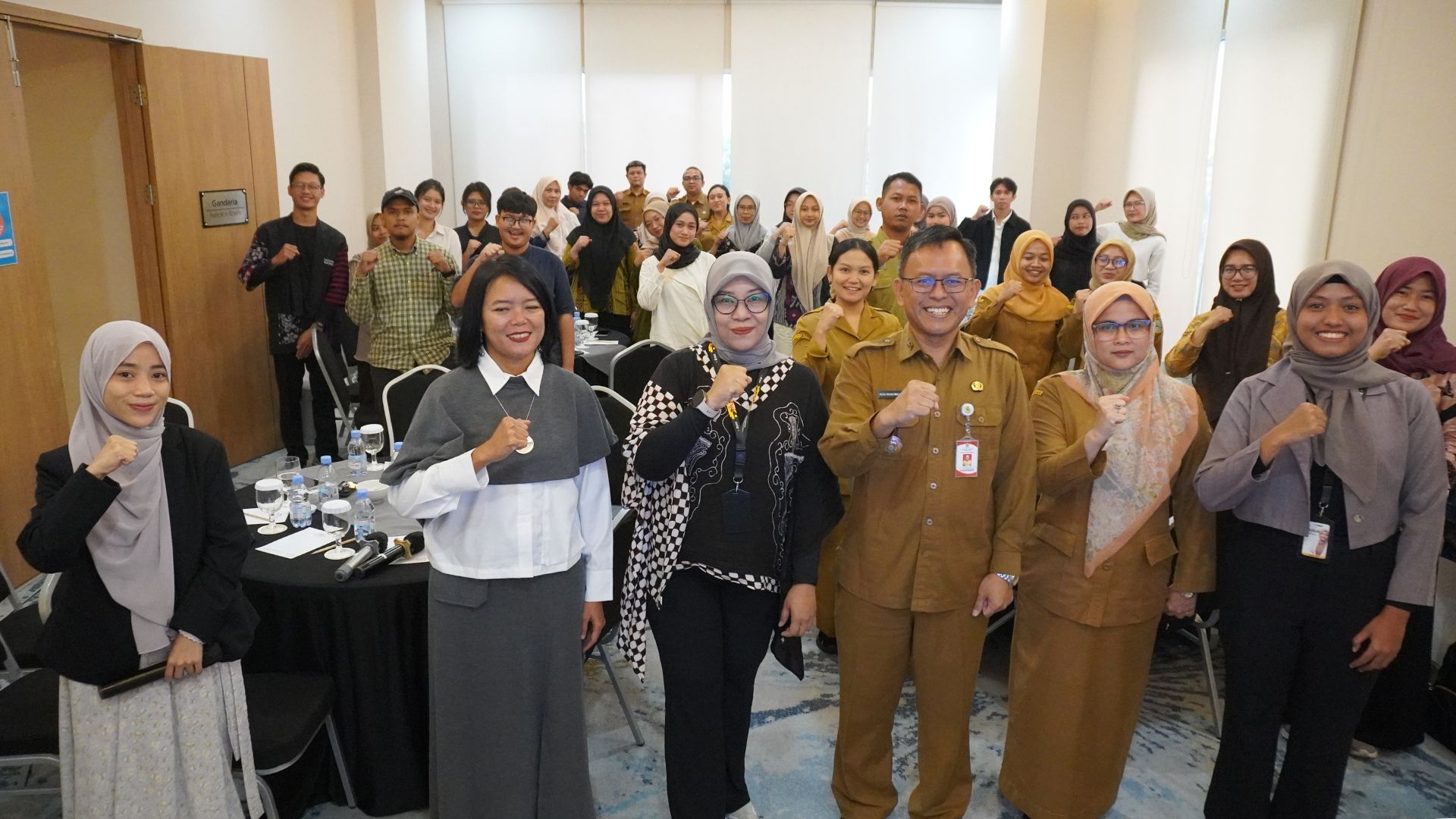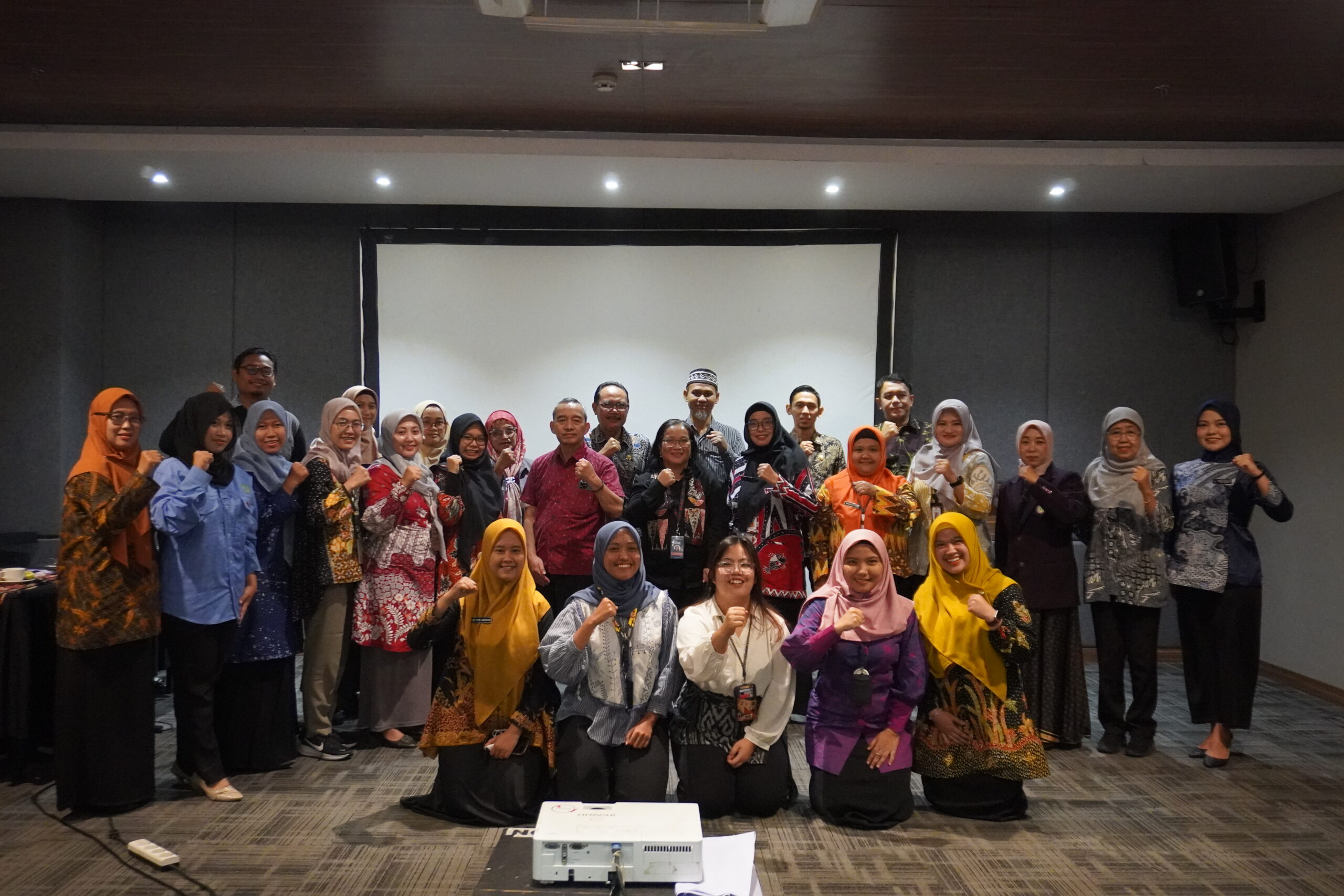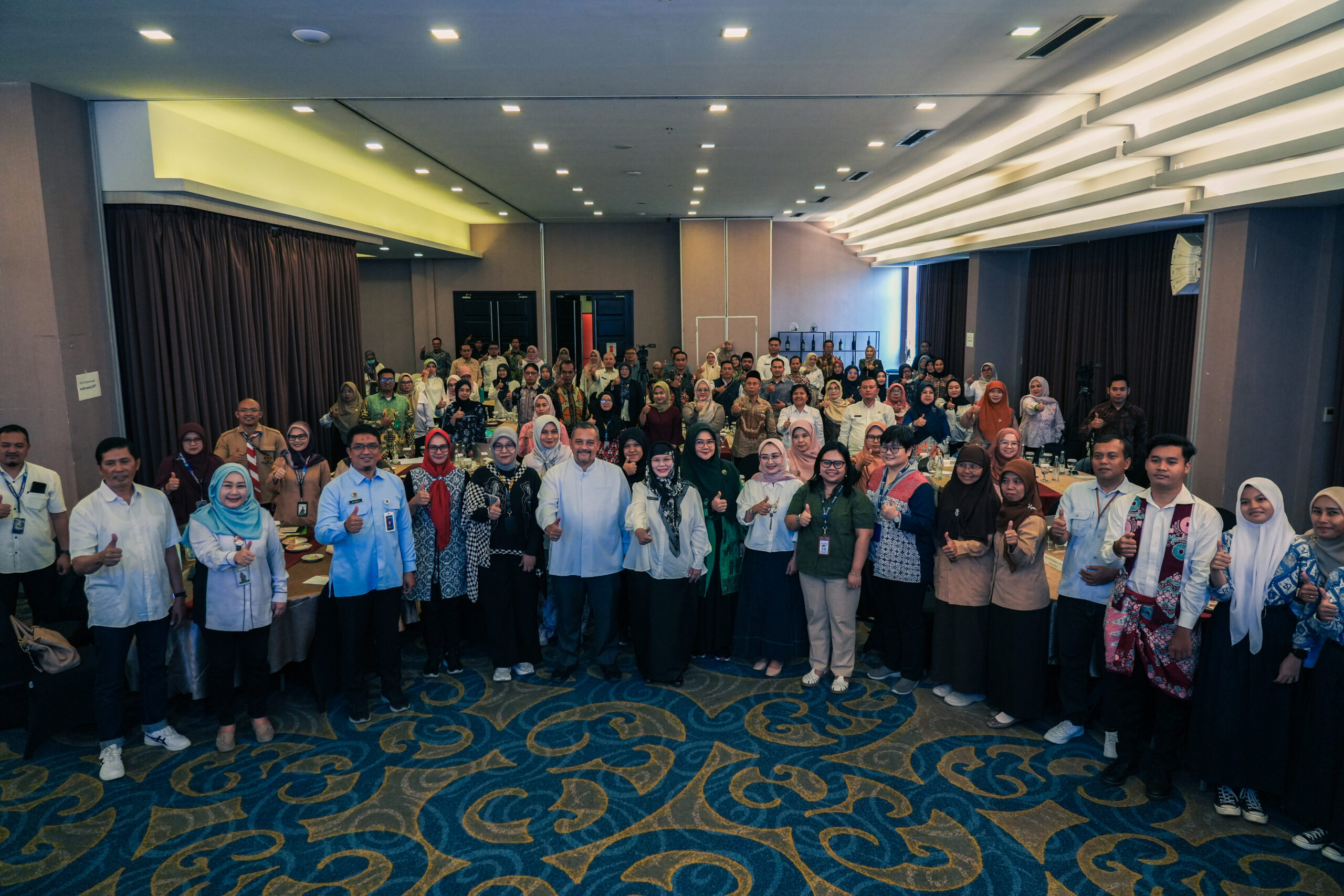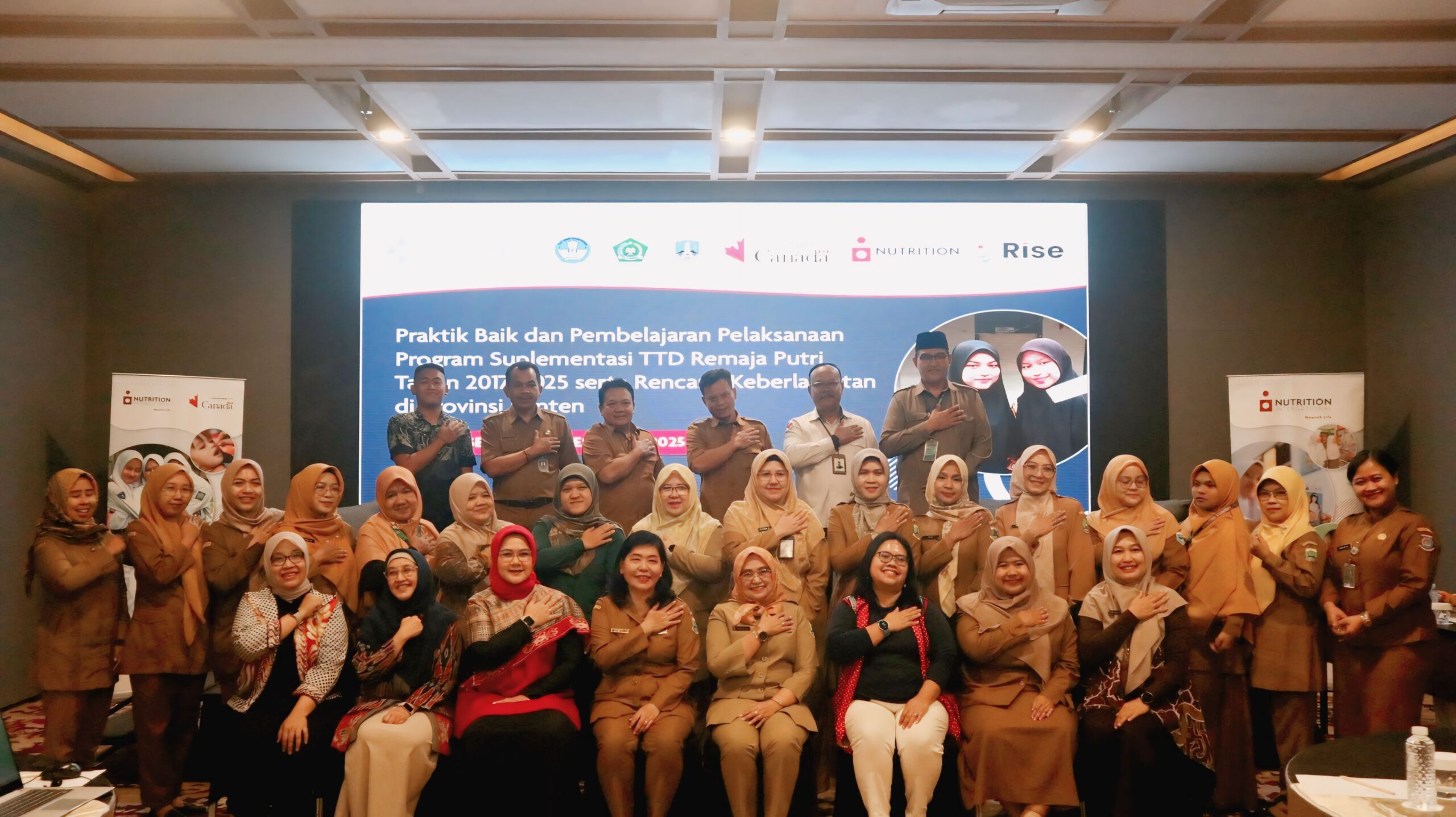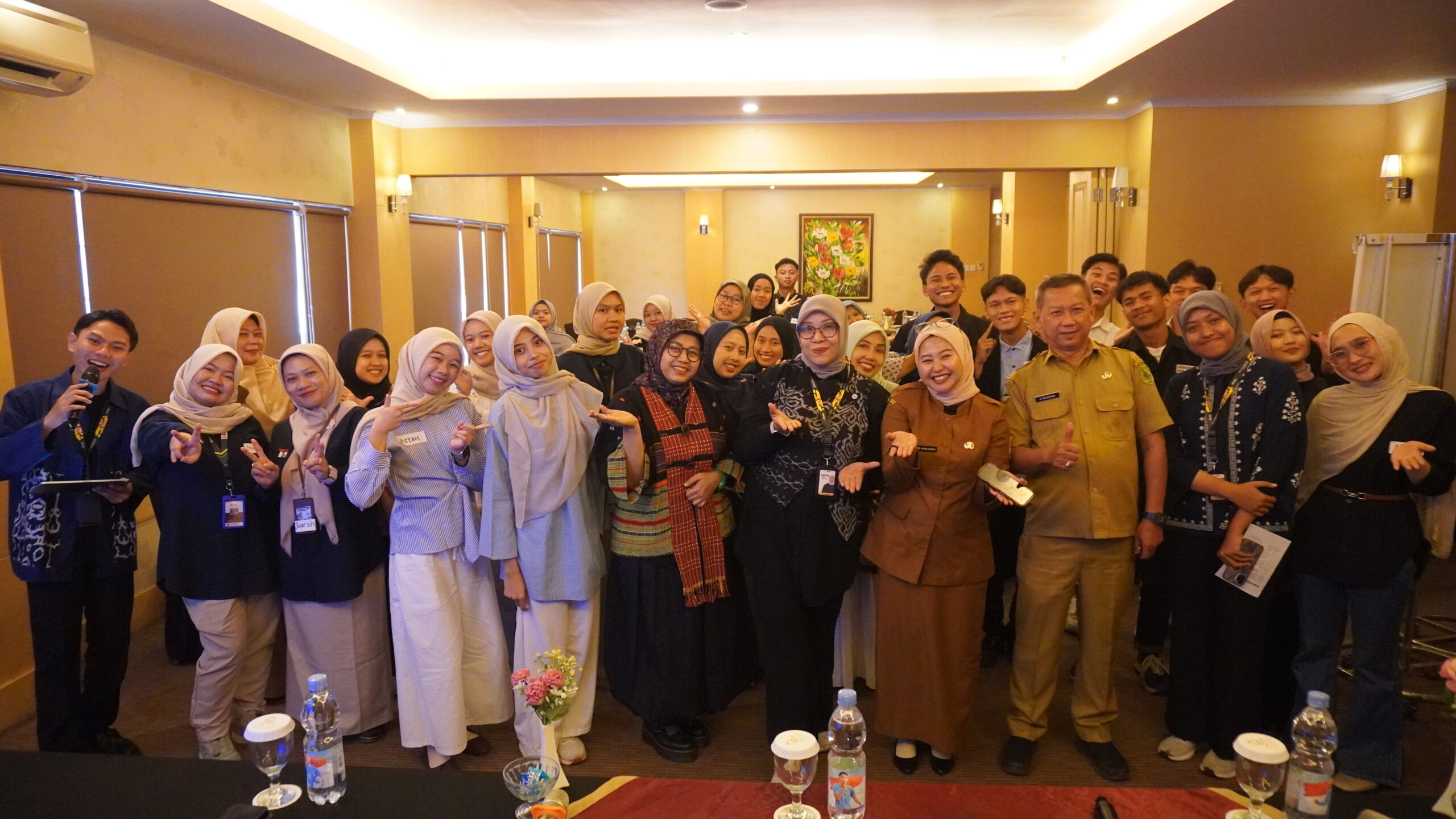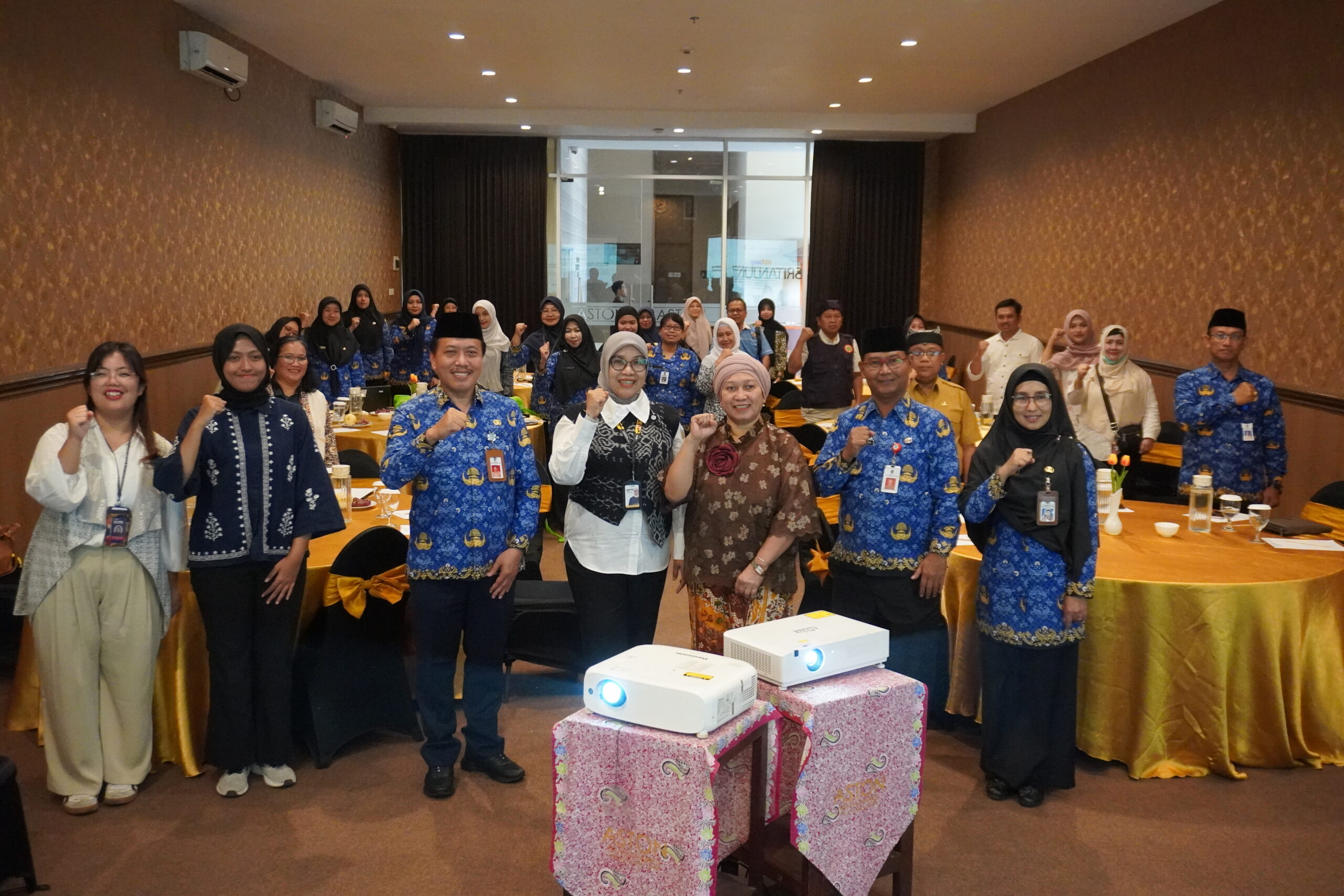
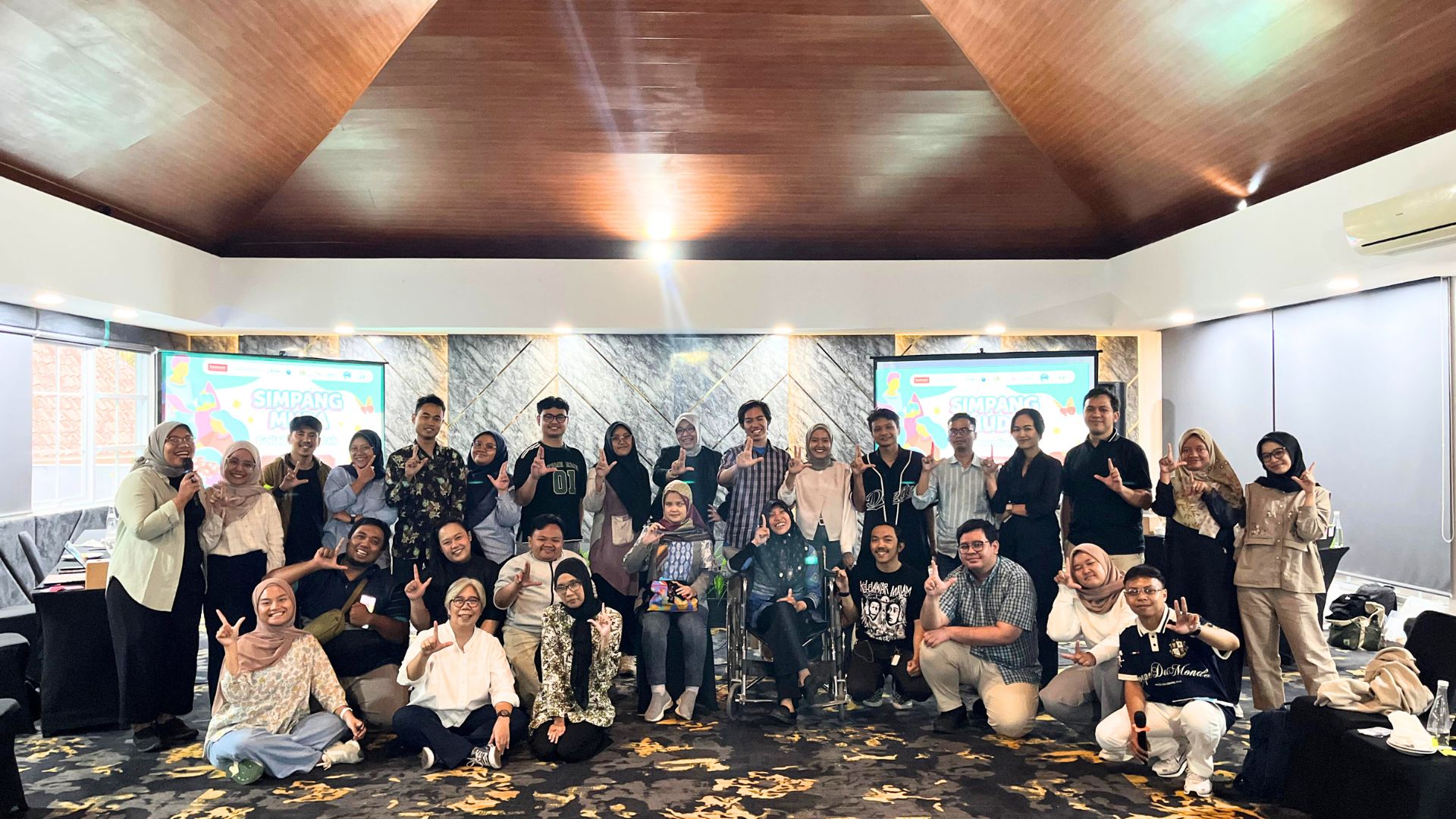
Simpang Muda Collaboration Lab, an ideathon or competition aimed at gathering innovative ideas from young people, was held on November 13-14, 2025, in Bandung, West Java. The event was attended by 34 young people from Bandung and surrounding areas aged 18-35, who formulated ideas related to sustainable food systems through a Human-Centered Design (HCD) approach and received input from experts across various institutions.
The Simpang Muda Collaboration Lab was organized by the KOPAJA Consortium (Food Coalition and Youth Network) together with the PESPA Consortium (Youth for the Bandung City Food System) as part of the Urban Futures program, a five-year global program initiated by the Humanist and Social Innovation Foundation (Humanis). This activity is a follow-up to a series of discussions held by the Simpang Muda Council, which over the past few months has identified challenges in the food system in Bandung.
This activity is also motivated by the fact that food security in Bandung is increasingly vulnerable. The Bandung City Food Security and Agriculture Agency (DKPP) noted that the area of rice fields in the city is only 702 hectares, or about 4 percent of the total area of Bandung City. On the other hand, dependence on food supplies from outside the region is also very high. The DKPP also noted that nearly 96.42 percent of Bandung’s food needs still depend on external supplies.
RISE Foundation Executive Director Artin Wuriyani stated at the opening of the event that this ideathon provided a concrete space for participants to channel their aspirations. “This activity is a response to the needs of participants who had previously held discussion forums and wanted to follow them up with concrete action.” The main focus was to refine ideas so that they could be implemented in the community, with the aim of strengthening urban food security.
On the first day of the event, participants conducted a session mapping urban food challenges, such as supply chain disruptions, high logistics costs, low access to healthy food, and the difficulties urban residents face in obtaining nutritious food. Each participant explored food challenges in the city of Bandung using an empathetic approach to understand the needs on the ground. This approach helped participants to capture the perspectives of vulnerable groups such as factory workers, low-income families, and people with disabilities.
On the second day of the competition, participants presented their ideas to a panel of experts from the Bandung City DKPP, the RISE Foundation, and representatives from Sinergantara. DKPP representative Yudha Galtieri emphasized that this event was not a competition of intelligence, but rather a safe space for experimentation. “This activity provides a safe space to explore ideas that are beneficial to the sustainability of Bandung City’s food system,” he said.
From this process, ten innovative ideas were selected that reflect young people’s concern for a sustainable food system. These ideas cover the five chains of the food system, namely production, distribution, processing, consumption, and waste.
Some of the selected ideas include:
- Production
- Education on the use of organic waste to produce eco-enzymes to improve soil quality and increase garden productivity.
- Basic hydroponics workshop for high school students as an introduction to modern cultivation technology.
- Distribution
- Farm to Table Day to bring farmers and consumers together directly and promote short supply chains.
- Standardization of packaging to improve the quality and safety of fresh food.
- Processing
- ‘Value-Added’ processing program that processes local food ingredients into pastry-based products.
- MBG (glass/plastic-based material) recycling initiative by the youth community.
- Consumption
- Educational sessions on the growth and development of children with special needs, focusing on nutritional intake.
- Cooking demonstration on “economical and healthy meals for boarding house children.”
- Waste
- Education on sorting and managing household waste.
- Innovation in processing organic waste into environmentally-friendly soap.
These ideas not only demonstrate the creativity of the participants, but also reflect the leadership of young people in addressing structural problems, from land constraints and dependence on external supplies to challenges in distribution and waste management.
Simpang Muda Collaboration Lab emphasizes that young people have a strategic role in building a more equitable and sustainable food future. With the support of the Urban Futures program, the government, and community networks, these ideas are expected to develop into prototypes, pilot projects, and long-term collaborations that will have a real impact on the city of Bandung.
**This article was made possible thanks to support from the Humanist and Social Innovation Foundation through the Urban Futures program.
**KOPAJA (Coalition for Food and Youth Networks) is committed to promoting inclusive participation of young people in Bandung City and West Manggarai in advocating for the Right to Food and Nutrition and climate change. KOPAJA collaborates with stakeholders to conduct research, provide training and facilitate real actions, strengthen the role of young people in creating sustainable and climate-resilient food systems based on local wisdom and the fundamental principles of the Right to Food and Nutrition as Human Rights. KOPAJA consists of RISE Foundation, Frontiers for Health, Yayasan SEMAK, and Cahaya Inklusi Indonesia.
**Sinergantara is a Non-Governmental Organization (NGO) which focuses on social issues, by providing digital and technological solutions. Committed to integrating inclusivity into every program, Sinergantara aims to address the needs of good governance and enhance public services through research, advocacy, and innovations based on information and communication technology. Sinergantara has developed various products, including health applications for mothers and children, the Stop Gender-Based Violence (GBV) program, Lokadaya, and community funding initiatives. Lokadaya is an open network of civil society organizations across 38 provinces in Indonesia that aims at mobilizing, sharing, and managing domestic resources to support the contributions and roles of organizations in inclusive development. The organization has established strong relationships with government bodies, civil society organizations, as well as international and national institutions, while also maintaining connections with communities in program areas. Sinergantara is independent of any political, religious, or specific group interests.
**Urban Futures (UF) is a 5-year global program (2023–2027) at the intersection of urban food systems, youth well-being, and climate action. It is funded by Foundation Botnar, managed by Hivos, Yayasan Humanis dan Inovasi Sosial, and local partners, networks, and experts. Urban Futures operates in 10 intermediary cities/city regions in Colombia (Cali and Medellín), Ecuador (Manabí and Quito), Indonesia (Bandung and West Manggarai), Zambia (Chongwe and Kitwe), and Zimbabwe (Bulawayo and Mutare). These intermediary cities vary in size, but have in common that they are rapidly growing and connect metropolitan and rural areas or different groups of cities within urban systems and manage flows of people, goods, capital, information, and knowledge. They each have a specific set of challenges and opportunities.
**PESPA (Youth for Food Systems) Consortium and the PUPA (Food Association) Consortium are members of Urban Futures Bandung. PESPA leads a series of Multi-Stakeholder Forum activities, which currently serve as a forum for gathering aspirations and collaboration among parties working for the Bandung food system. Meanwhile, PUPA focuses on strengthening Community Supported Agriculture (CSA) – Tani Sauyunan as a model for a sustainable local food system in Greater Bandung through a process of increasing the capacity of CSA producers and consumers, research, and advocacy. Meanwhile, PUPA focuses on strengthening Community Supported Agriculture (CSA) – Tani Sauyunan as a Model for a Sustainable Local Food System in Greater Bandung through a process of increasing the capacity of CSA producers and consumers, research, and policy advocacy. One of the expected outcomes of the Urban Futures program, which was designed in collaboration with stakeholders in the city of Bandung, is the creation of city-level food system policies that are in line with the vision. The agreed-upon vision is the realization of an inclusive and sustainable food system in the city of Bandung based on resources, biodiversity, and local wisdom that can ensure availability and fair, healthy, and safe access, and does not conflict with religion, beliefs, and culture.