As one of Indonesia’s largest coal-producing regions, Muara Enim Regency faces structural challenges in achieving a just energy transition and developing New and Renewable Energy (NRE). This is because the mining sector, particularly coal mining, has long been the backbone of the local economy. As a result, concerns have emerged over the potential loss of jobs for thousands of local workers, a significant decline in regional revenue, and increasing socio-economic vulnerability.
One of the most accessible alternatives for those who can no longer work in the mining sector is to shift to agriculture. However, the amount of productive agricultural land in Muara Enim has decreased, while its quality has also declined due to past land-use changes into mining concession areas. As a result, local farmers, particularly rubber and coffee farmers, face limited access to land and declining productivity.
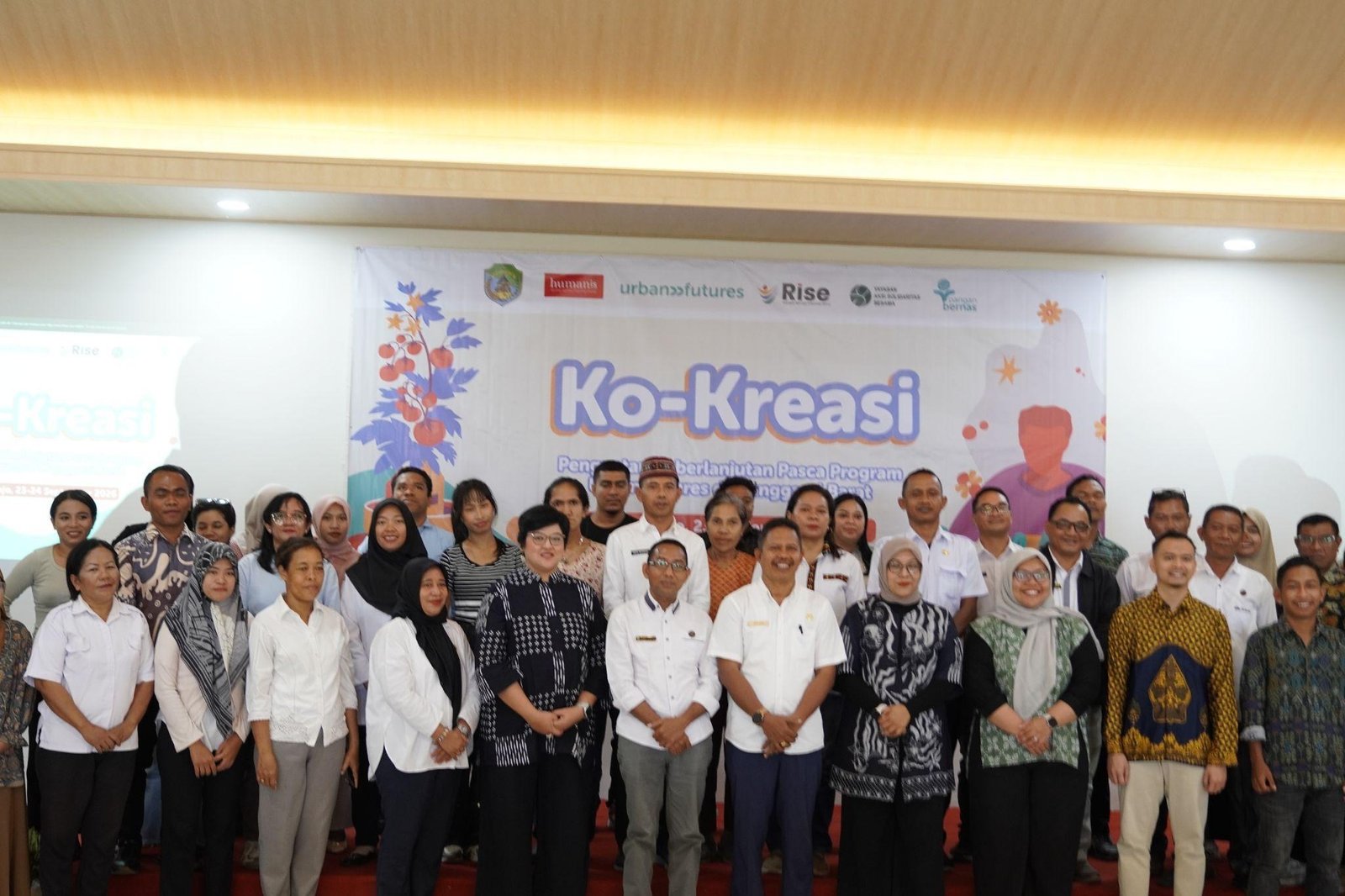
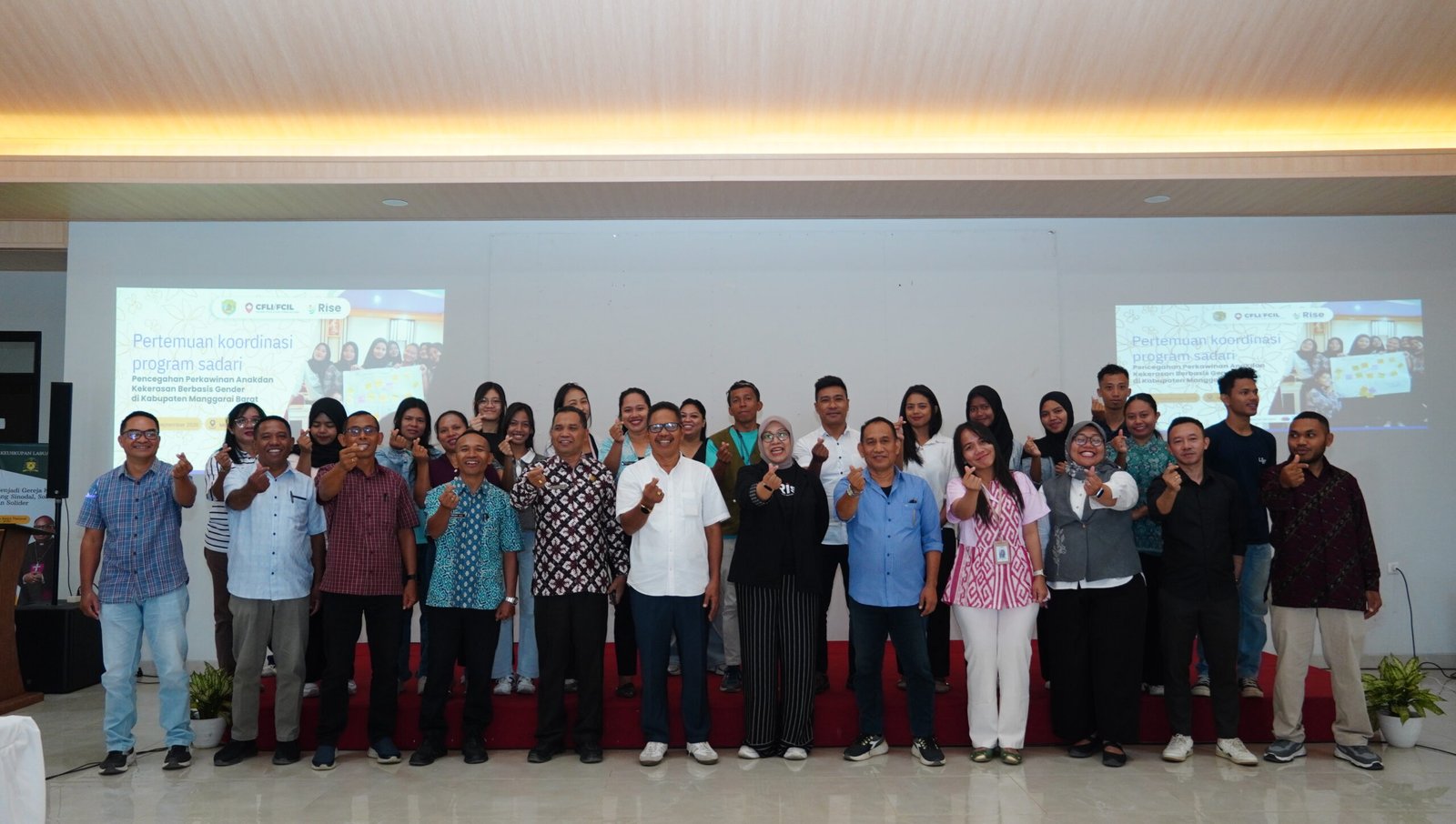
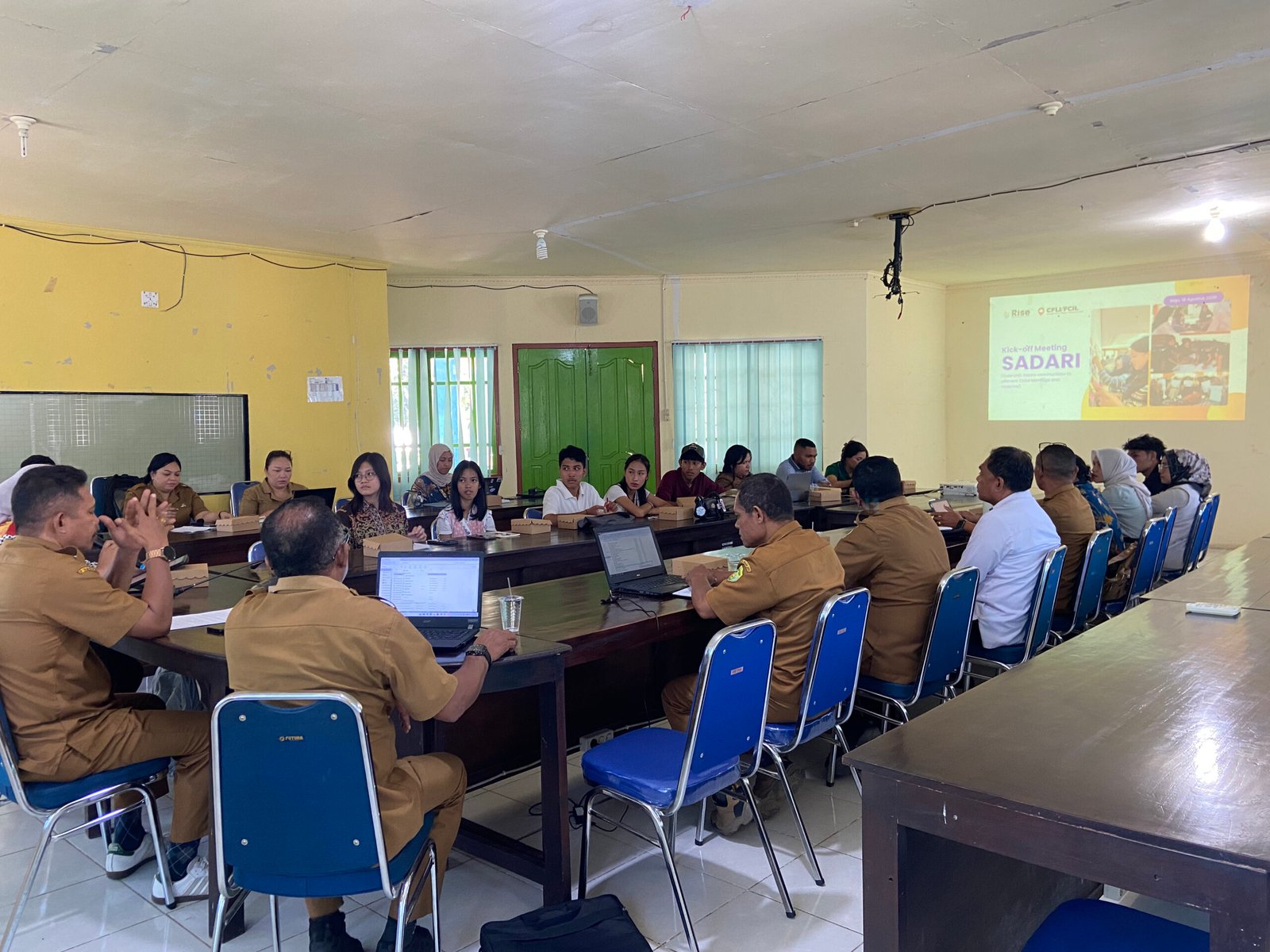
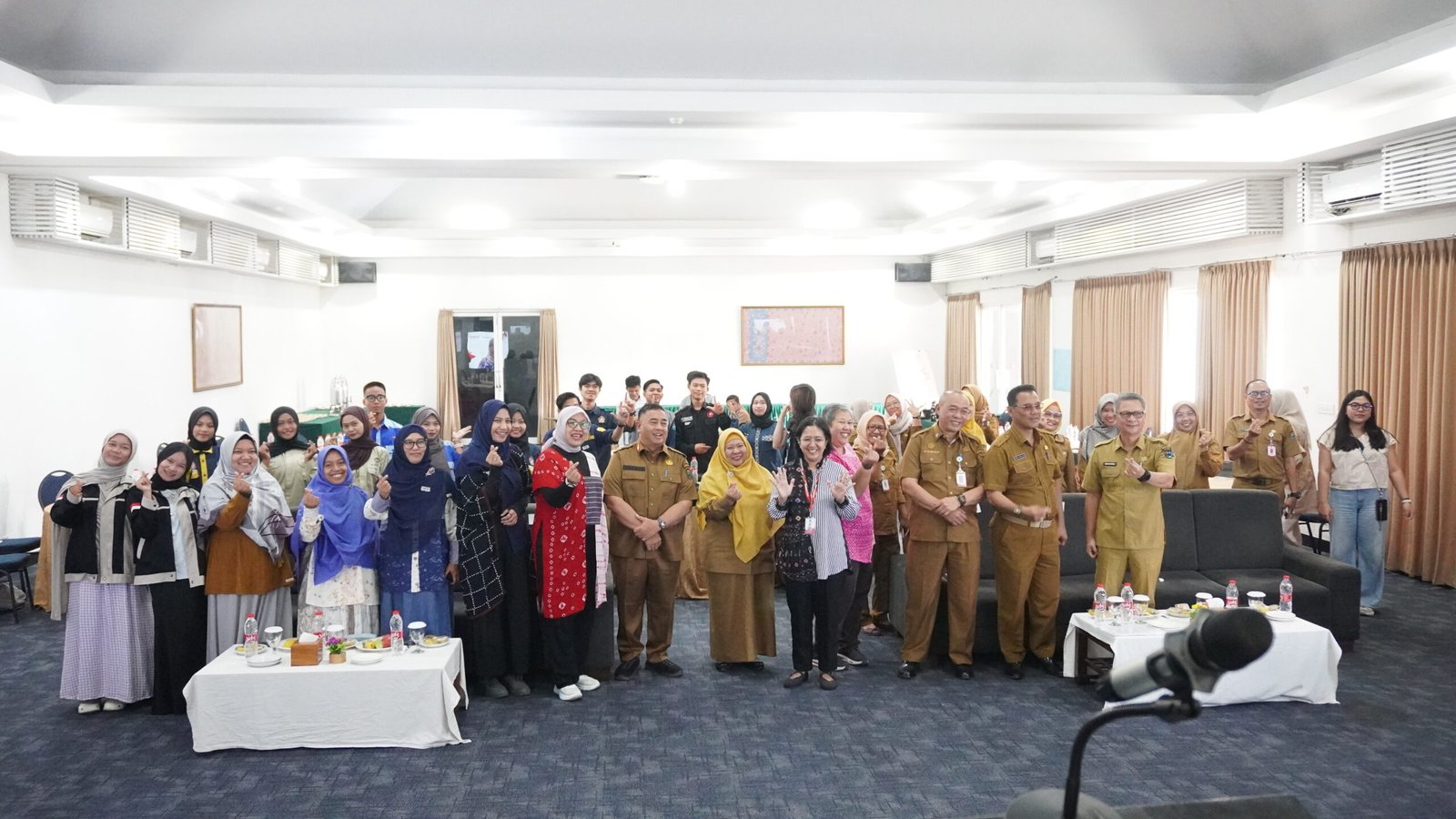
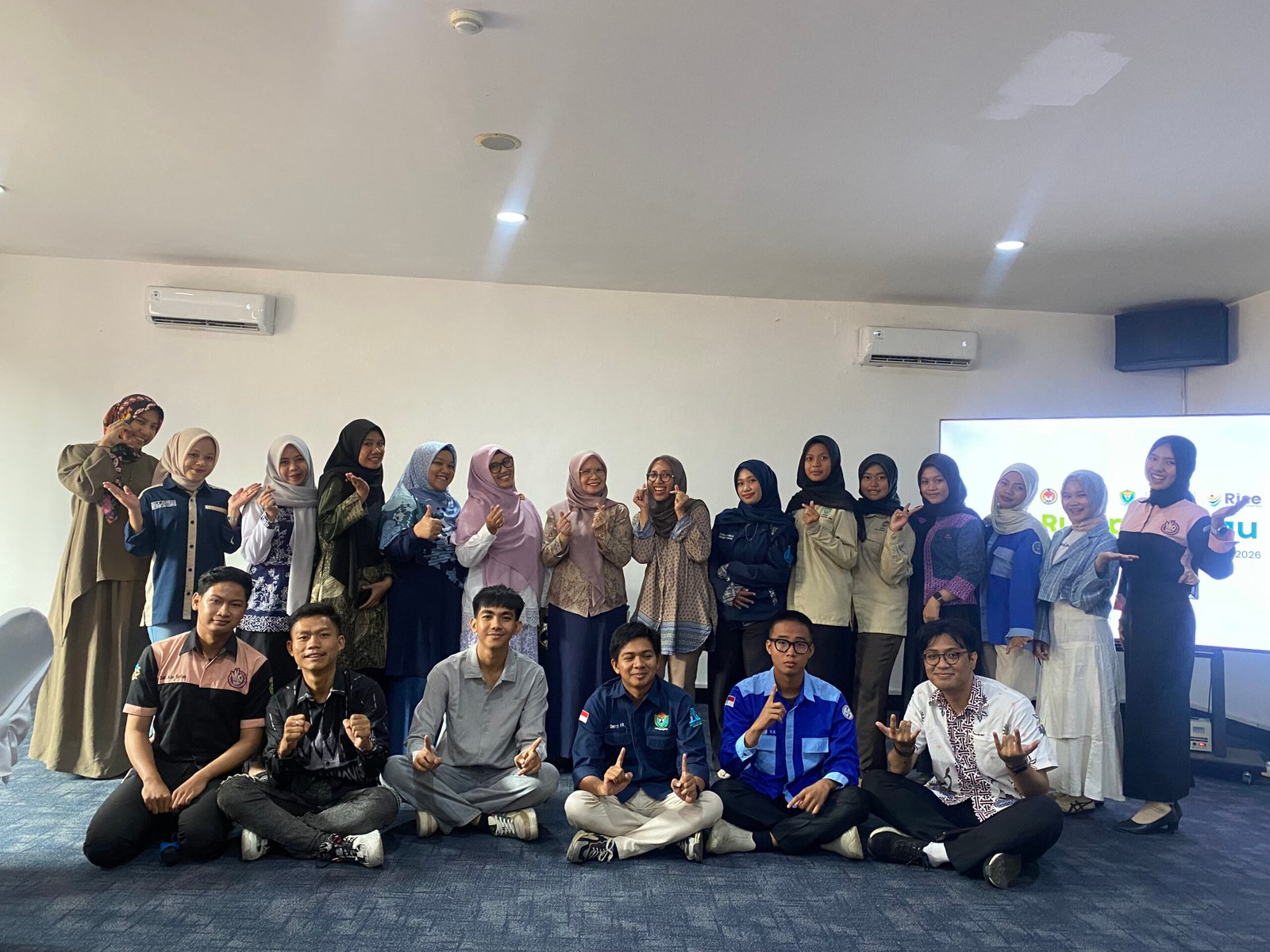
In response to these challenges, the RUMPUN HIJAU Program (Ruang Masyarakat dan Perempuan Hidupkan Inisiatif Hijau), with the involvement of relevant agencies from the Muara Enim Regency Government, including the Office of Women’s Empowerment and Child Protection, the Environmental Agency, and the Social Affairs Office, alongside Friedrich-Ebert-Stiftung (FES) Indonesia and Yayasan Indonesia Sehat (RISE Foundation), held the RUMPUN HIJAU Collective Action Discussion. The event took place at Orchid Room, 1st Floor, Hotel Griya Sintesa Muara Enim, on Sunday, 11 September 2026. It was attended by seven youth groups, civil society organizations, representatives of relevant government institutions, and individuals who had been involved in the RUMPUN HIJAU Program. The event aimed to provide a platform for civil society, local communities, women, and young people to actively engage in energy transition issues that directly affect the people of Muara Enim Regency.
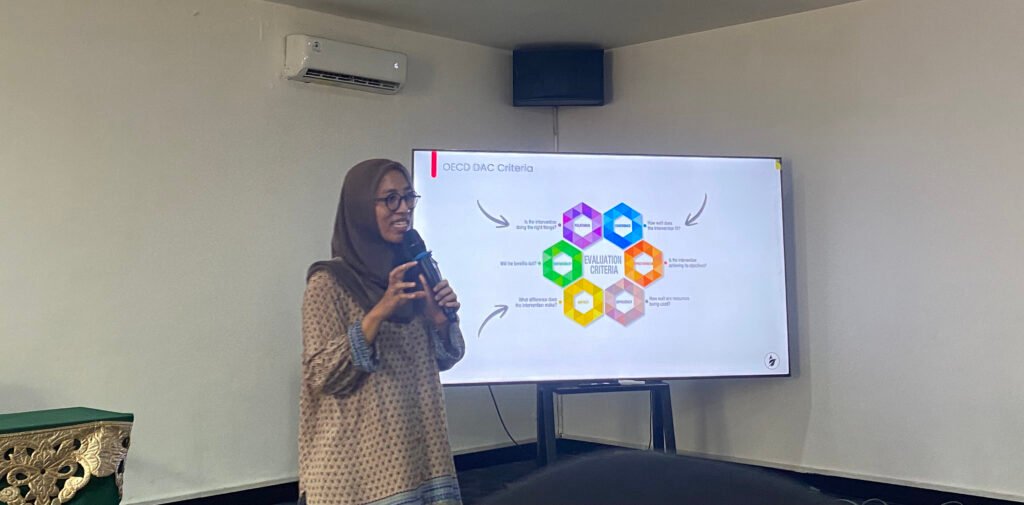
Facilitated by Azka Azifa, MIntDevEc, the participants were divided into four groups to revisit the initial ideas developed during the RUMPUN HIJAU Camp. After reviewing these ideas, the participants selected several collective action initiatives focusing on NRE education, skills development in renewable energy use, environmentally friendly lifestyles, and plastic waste reduction.
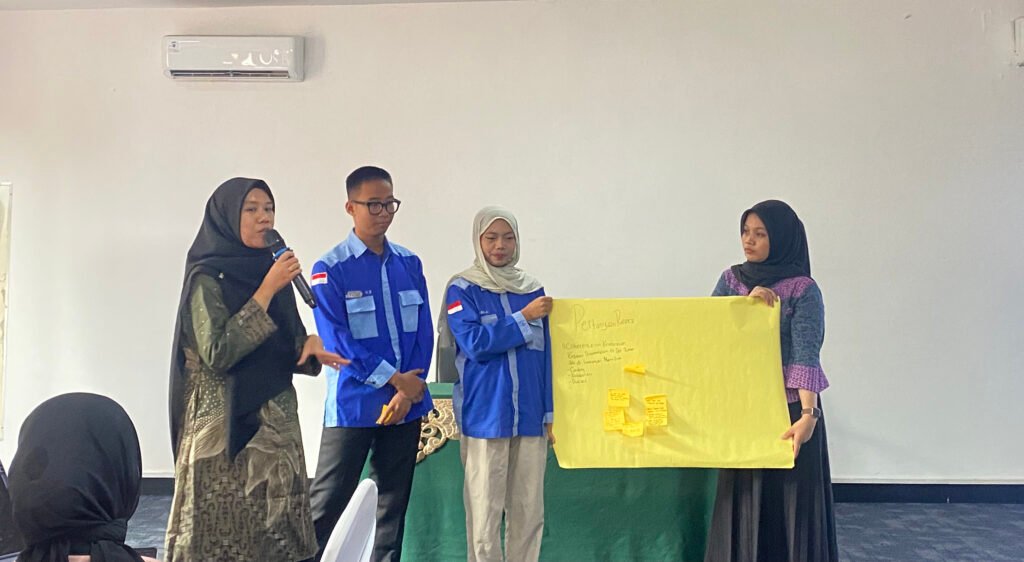
During the Co-Creation and Joint Action Planning session, Group One proposed sharing information about NRE in Muara Enim Regency through social media, podcast content, coding group activities, and collaboration with the Social Affairs Office.
Meanwhile, Group Two suggested conducting environmental awareness sessions for junior and senior high school students. These activities would focus on plastic waste management and practical ecobrick-making sessions, where plastic bottles filled with non-recyclable plastic waste could be turned into useful items such as chairs, tables, and shelves.
Group Three planned to organize renewable electricity training by involving youth communities to support local communities in Semendo. The initiative would explore the use of flowing water as a source of electricity through a simple renewable energy system, while taking local electricity access conditions into account. Meanwhile, Group Four discussed promoting environmentally friendly lifestyles and raising public awareness of the energy transition.
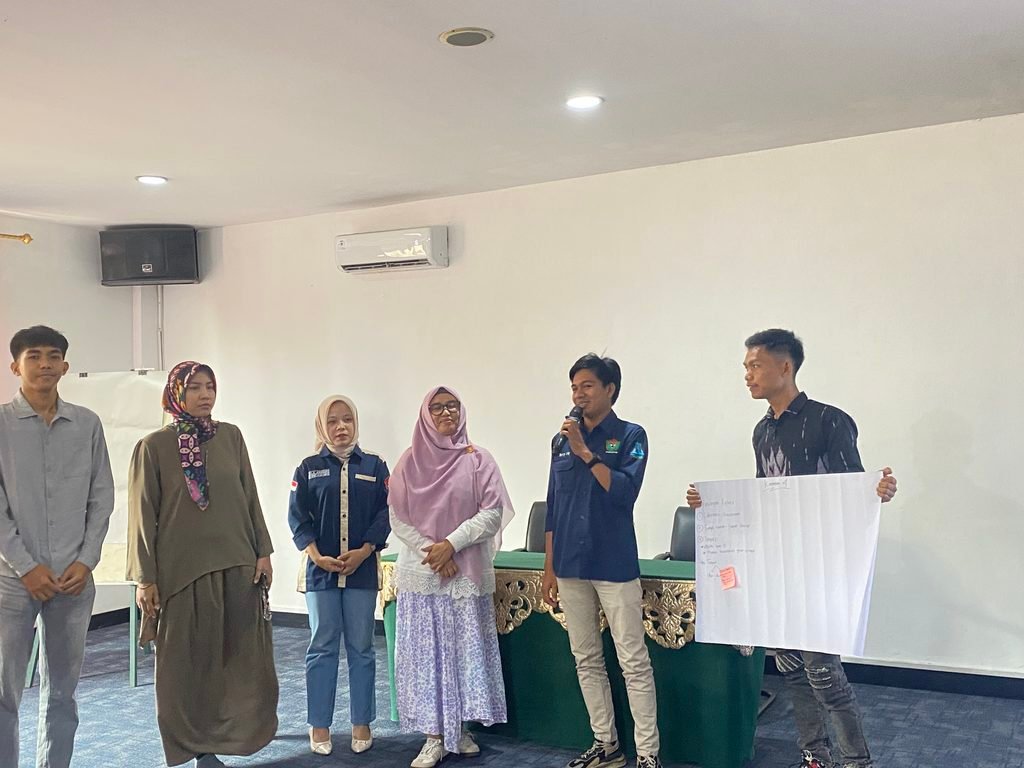
Group Three proposed to hold a training session on renewable electricity
Their proposed activities included encouraging the use of reusable tumblers, organizing joint movie screenings, holding discussions on environmental issues, and conducting workshops targeting local women.
Following the presentation of these ideas, Azka Azifa highlighted the importance of identifying and understanding the main target audience before determining the communication strategies to be used. Defining the target audience is an important step in ensuring that the messages, media, and approaches selected are relevant to the needs, characteristics, and levels of understanding of the intended groups.
During the event, RISE Foundation also provided technical and administrative information to guide participants in following up on the collective action proposals they had developed. This was also intended to remind each group to ensure administrative requirements were complete and technical preparations were in place before implementing their proposed activities. Following this session, the RUMPUN HIJAU Collective Action Discussion officially came to an end.
Through this activity, the program hopes to create a collaborative space for participants to further develop their ideas, prepare action plan proposals, and discuss strategies for communicating key messages about environmental issues and the just energy transition. The outcomes of the discussion are expected to serve as a foundation for each group to continue their preparations and implement their collective actions in line with the plans they have developed.