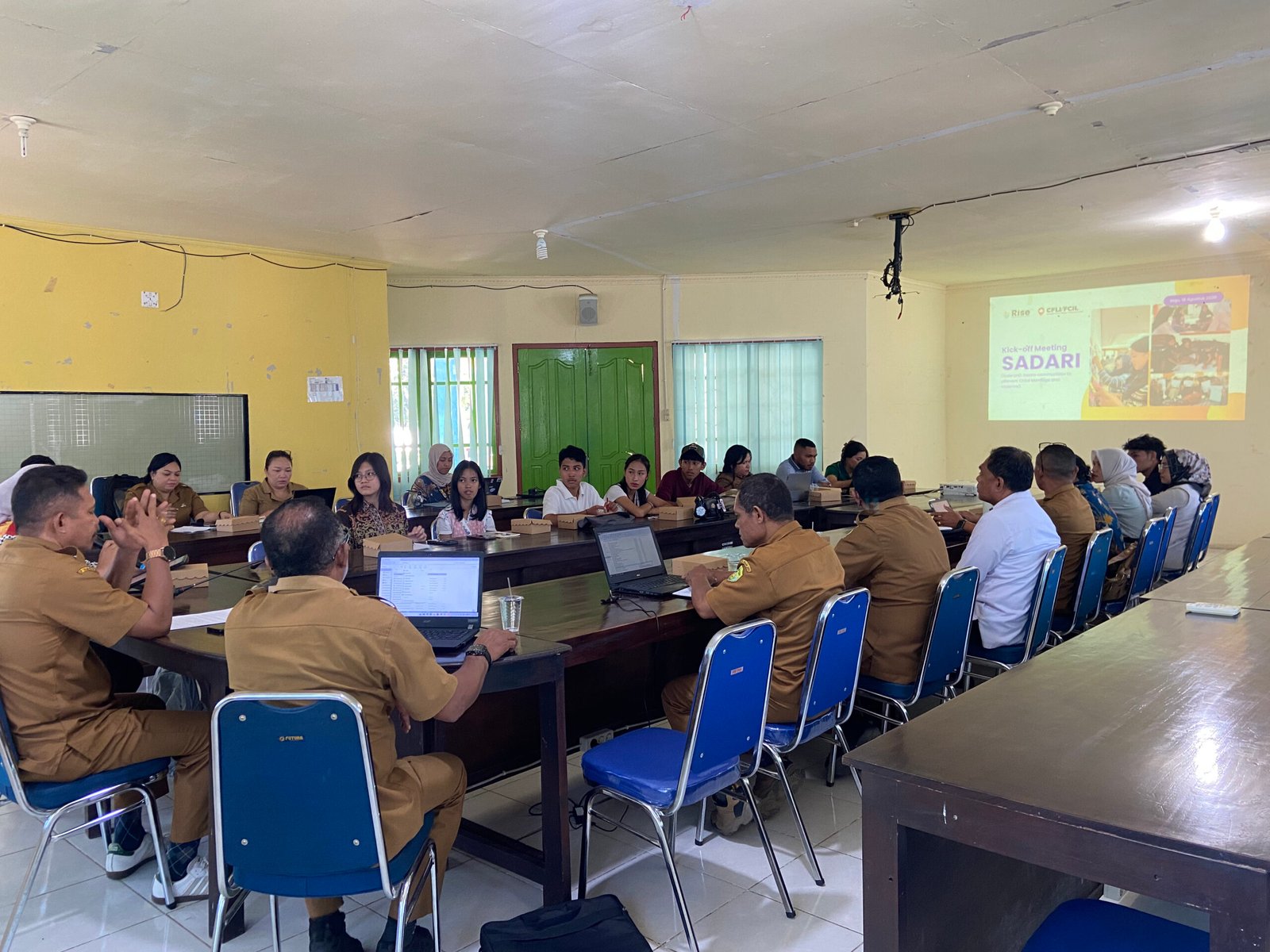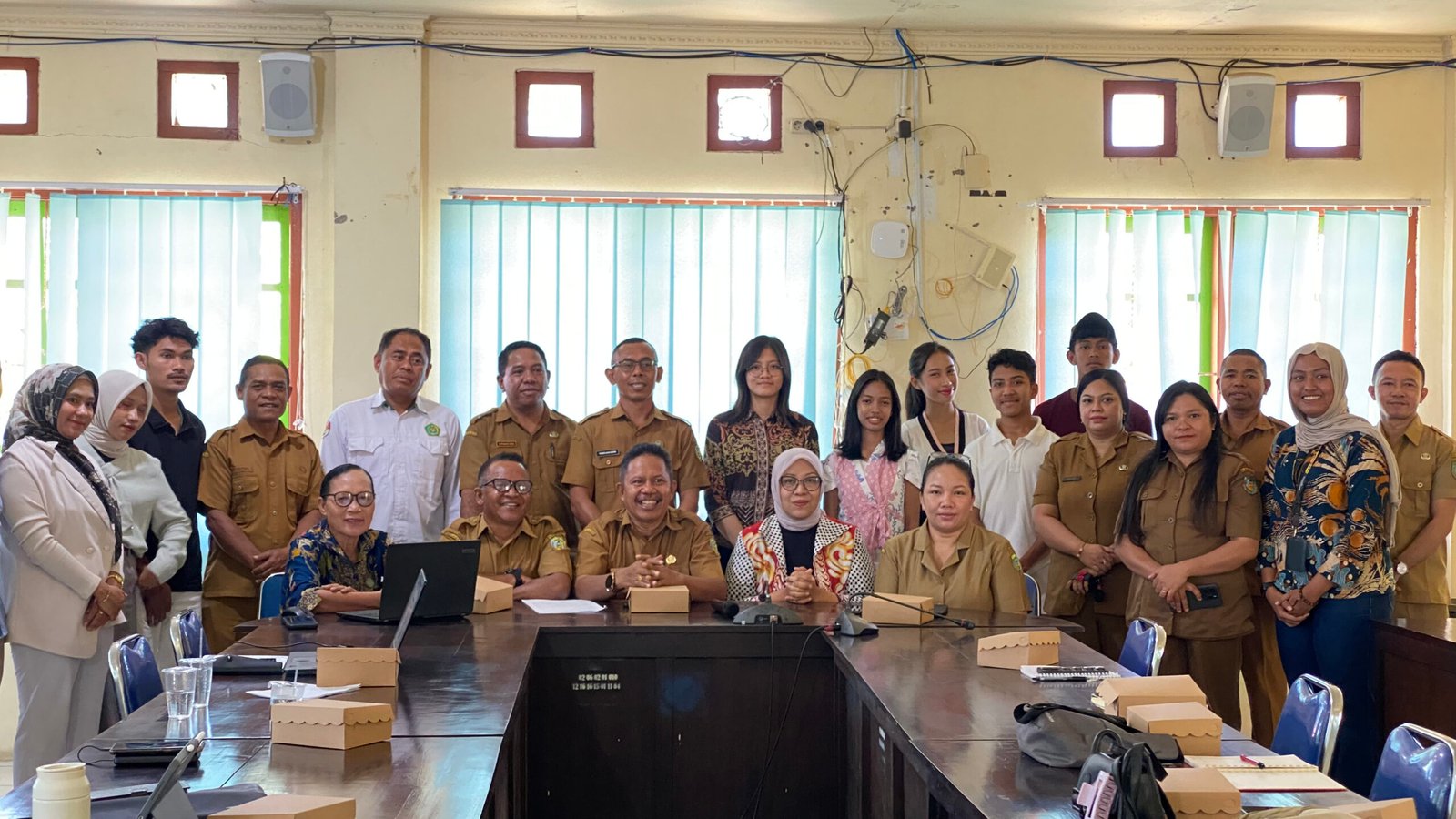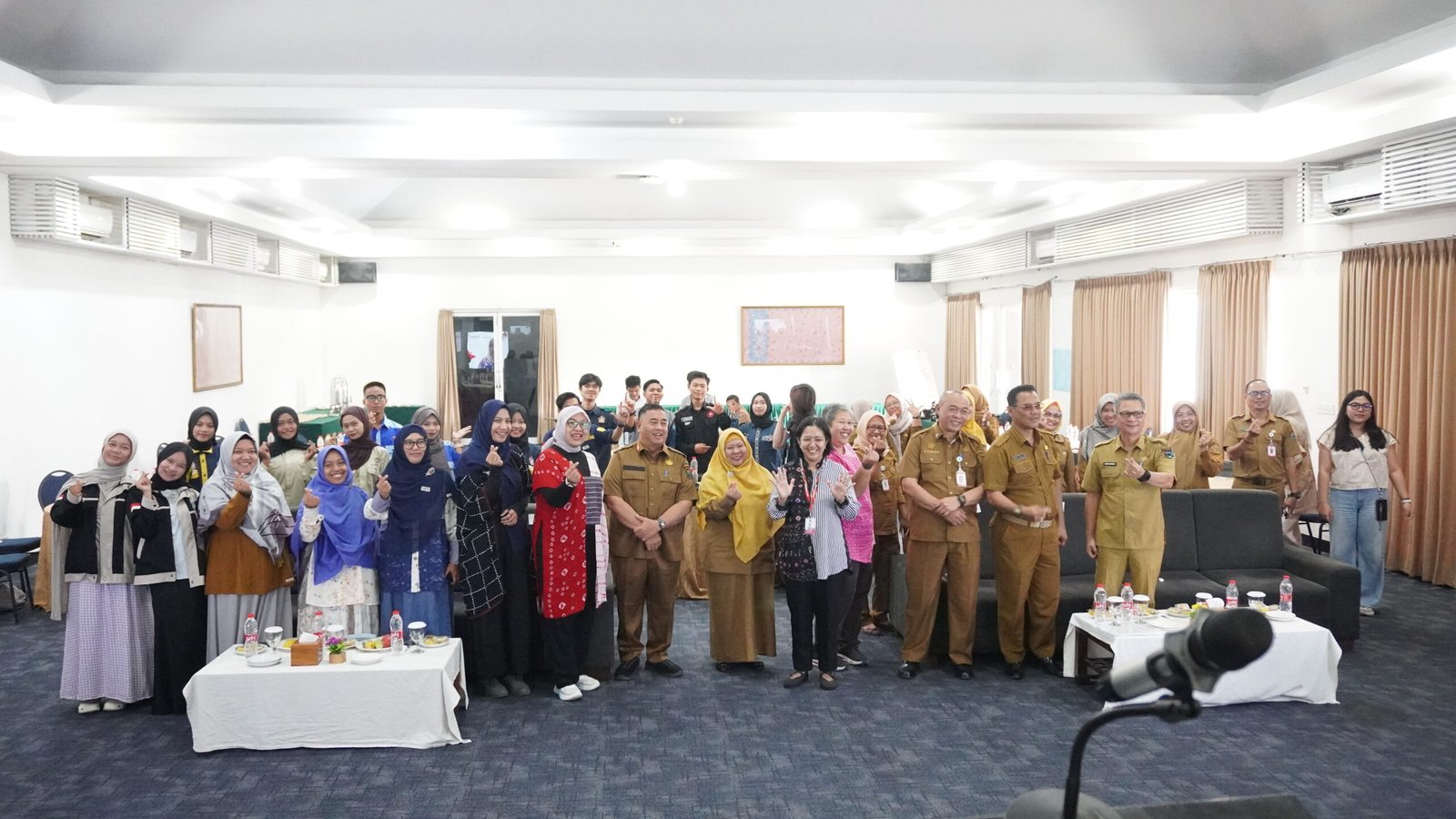
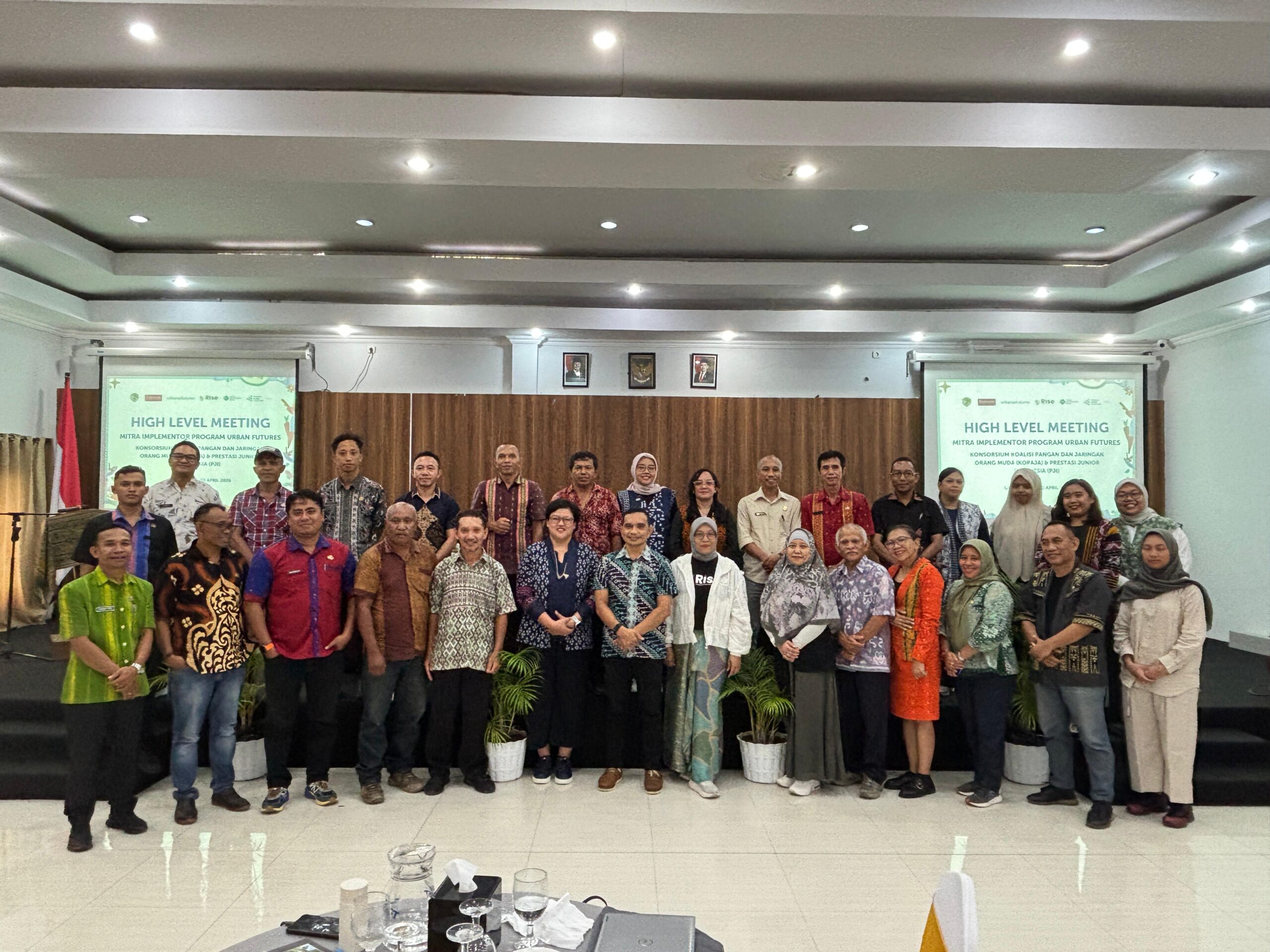
The High Level Meeting (HLM) of Urban Futures Implementation Partners, held on April 30, 2026 at Hotel Sylvia in Labuan Bajo, was one of those moments. It brought together RISE Foundation as the lead of Konsorsium Koalisi Pangan dan Jaringan Orang Muda (Kopaja), Prestasi Junior Indonesia (PJI), and representatives from West Manggarai’s Regional Government Agencies to strengthen collaboration and identify opportunities to integrate Urban Futures approaches and learnings into local government programs.
Urban Futures is a five-year global program (2023–2027) integrating urban food systems, youth well-being, and climate action. In West Manggarai, RISE Foundation has worked to ensure this global framework takes root locally most visibly through SAPA BUMI, an initiative that positions young people as active agents of change in their region’s food system.
Over one and a half years, the program produced ten food innovations from young people, created learning gardens in collaboration with SLBN Komodo and disability communities, and ran NURTURE, an intensive business incubation program with PJI. Of 251 applicants, 26 entrepreneurs graduated the full program and collectively, they generated nearly Rp 3.87 billion in local economic activity.
The HLM itself was structured as three discussion groups, each surfacing different but interconnected realities. The first group highlighted the power of inclusive programming: bringing young people and persons with disabilities into the same space created meaningful, mutually reinforcing interactions.
At the same time, hard truths surfaced over 7,000 persons with disabilities in a region where almost the entire population falls within the bottom five income deciles, where early marriage remains a leading cause of child stunting, and where local government budgets are simply not enough to close the gap alone.
The second group focused on the barriers facing local entrepreneurs: certification requirements, regulatory hurdles, and the absence of structured government support. One telling case was a local candlenut oil producer whose business was halted because BPOM regulations required a production facility separate from the home, a rule that, in practice, shuts out small-scale producers without capital.
These cases made clear that mentoring alone is not enough; it must go hand in hand with policy advocacy. The third group widened the lens further, proposing that Urban Futures alumni be developed into mentors for the next generation of entrepreneurs, the most organic model of sustainability collaboration actors across sectors.
Three things stood out as genuine achievements: the inclusive model of engaging youth alongside persons with disabilities proved effective and worth expanding; active collaboration with government agencies was decisive in the program’s success; and inviting government not as a bystander but as an active participant gave the work a legitimacy that no external program can manufacture on its own.
At the same time, the meeting was honest about what still needs fixing fragmented inter-agency coordination and the absence of post-program follow-up mechanisms to verify that initiatives keep running after the funding ends. Mr. Petrus A. Rasyid, Head of Bappeda West Manggarai, closed the meeting by emphasizing that this collaboration should be integrated into the local government’s institutional commitments and working mechanisms, ensuring that it becomes a sustainable collective commitment rather than merely a goodwill gesture.
For RISE Foundation, this is precisely what sustainable impact looks like not a program that is missed when it leaves, but one that has changed how institutions work and how communities see their own capacity. The young people of Labuan Bajo have already shown what becomes possible when they are given the right space and support. That proof does not disappear when a program ends.