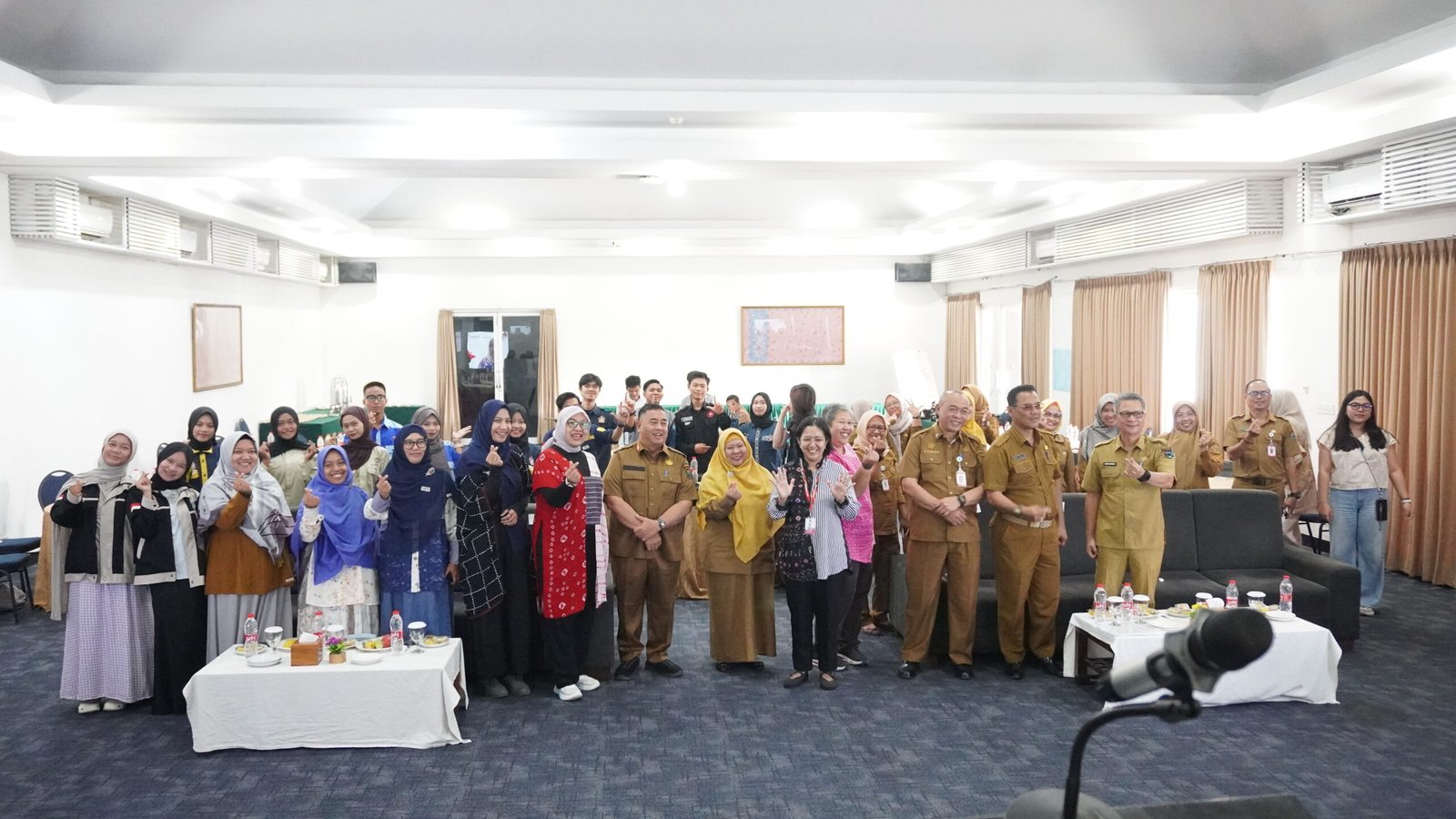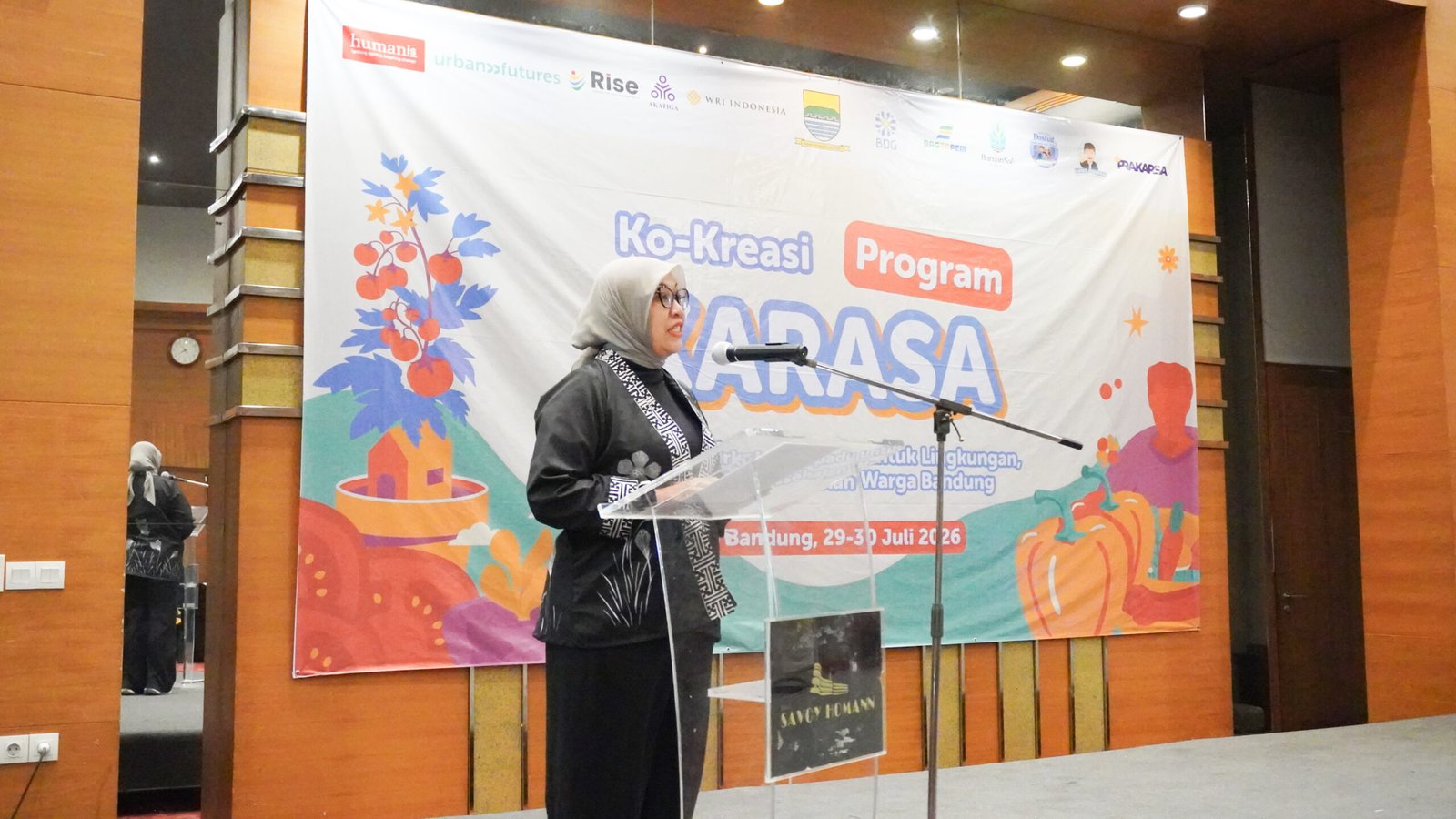
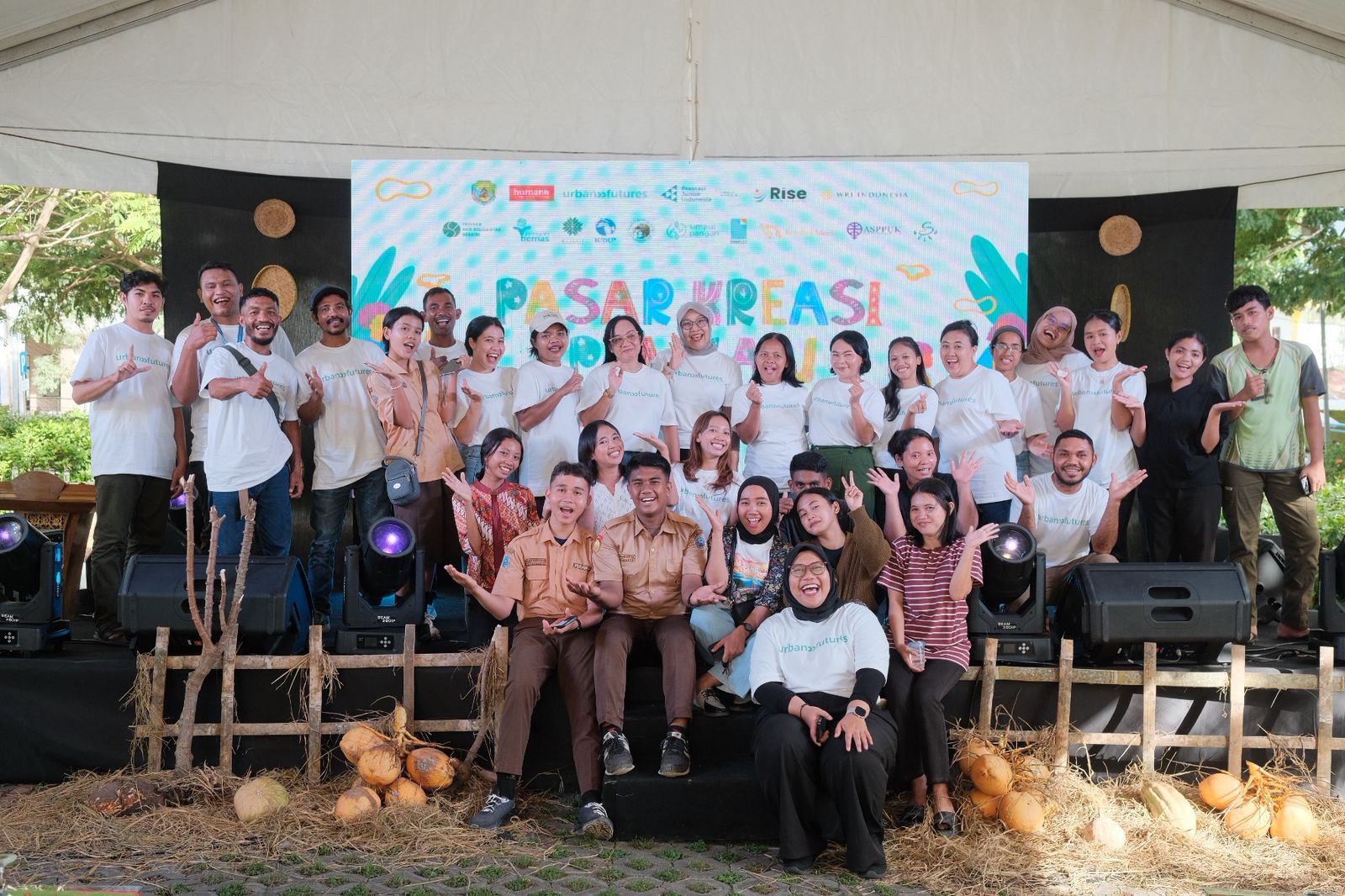
Pasar Kreasi Pangan the Creative Food Market, brought together young entrepreneurs, community innovators, researchers, and government officials to demonstrate what a stronger, more self-reliant local food system in West Manggarai could look like. RISE Foundation was proud to stand as one of its key collaborators, witnessing firsthand what becomes possible when communities, institutions, and young people commit to building something meaningful together.
On April 29, 2026, the parking lot of Kampung Ujung in Labuan Bajo transformed into something far more than a marketplace. It was a milestone in an ongoing partnership grounded in a shared conviction: that youth-led change in local food systems is not peripheral to development, it is central to it.
Pasar Kreasi Pangan was organized as part of Urban Futures, a five-year global program (2023–2027) integrating urban food systems, youth well-being, and climate action across ten cities in five countries. RISE Foundation has been a committed collaborator in making this program meaningful at the local level by adapting global frameworks to the realities, relationships, and rhythms of West Manggarai. Our role was to ensure the event served as more than a showcase.
Central to the day was SAPA BUMI (Solusi dari Orang Muda untuk Pangan Inklusif dan Bumi Lestari), our initiative designed to channel the energy and insight of young people in West Manggarai into concrete solutions for the region’s most pressing food system challenges. Ten innovations were presented by SAPA BUMI participants, spanning rights to food and nutrition, inclusivity in food access, local food production and distribution, climate adaptation in agriculture, and social entrepreneurship as a driver of food security.
One standout came from Arnoldena Safira, a 30-year-old SAPA BUMI participant, who presented “Bracha Harvest: Chemical-Free Farming as an Inclusive Solution for Sustainable Agriculture.” Her project champions environmentally responsible farming practices tailored to local conditions, both ecologically sound and accessible to small-scale farmers in the region. The attention her work drew at the event reaffirmed what we have long believed: when young people are given the right support and a genuine platform, they do not just participate in development, they drive it.
SAPA BUMI is built on precisely this premise. Youth are not passive recipients of policy or aid. They are informed actors who can identify the gaps others miss and design solutions that stick. By providing young people with information, mentorship, and a public platform, we are cultivating a generation ready to take on the structural challenges within local food systems armed with both knowledge and lived experience.
Pasar Kreasi Pangan also provided a platform to celebrate the achievements of 26 young entrepreneurs who participated in the NURTURE intensive incubation program, run in partnership with Prestasi Junior Indonesia. Over nine months, these young business owners working across hydroponic vegetables, local fruit distribution, and vanilla processing collectively generated over Rp 3.87 billion in revenue.
Seventy-three percent built formal partnerships as suppliers, resellers, or members of marketing networks. Their businesses created employment opportunities for 42 additional young people, and 85 percent are now using digital tools for production, marketing, and financial management. These are not just business metrics, they represent the emergence of a new local ecosystem, one in which producers, entrepreneurs, and markets are increasingly interconnected.
Among those featured was Wilfridus Da Costa Mones, owner of Green Floreska, a hydroponic vegetable enterprise. For Wilfridus, running a locally-anchored food business is a direct response to supply chain gaps in the region shortening the distance between production and consumption, and making nutritious local food more accessible and efficiently delivered. His story is one of many that illustrate the kind of practical, community-rooted entrepreneurship we are committed to nurturing.
The event also surfaced one of West Manggarai’s most urgent systemic challenges: food waste. Research conducted by WRI Indonesia in partnership with Garda Pangan revealed that food loss and waste in Labuan Bajo in 2024 reached an estimated 4.8 million kilograms. Notably, the study found that the largest contributors are not households but non-household actors such as hotels, restaurants, and tourism vessels an inversion of the pattern seen at national and global levels, reflecting the outsized influence of the city’s booming tourism sector on the local food system.
One encouraging finding was that 58.9 percent of food waste is currently redirected as animal feed, a practice already adopted by both household and non-household actors. This existing good practice provides a foundation for building more comprehensive, cross-sector food waste management and we see it as a call to action, one that actively involves young people, local businesses, and government in co-designing solutions.
Pasar Kreasi Pangan was not simply an exhibition. It was proof of what becomes possible when collaborating institutions, communities, governments, and young people can align around a shared vision. We are proud to have been part of this day, and we remain committed to our role in West Manggarai’s food system transformation. SAPA BUMI will continue to serve as a space where young people can develop their potential, expand their participation, and exercise their rights, including their right to shape the food systems their communities depend on.