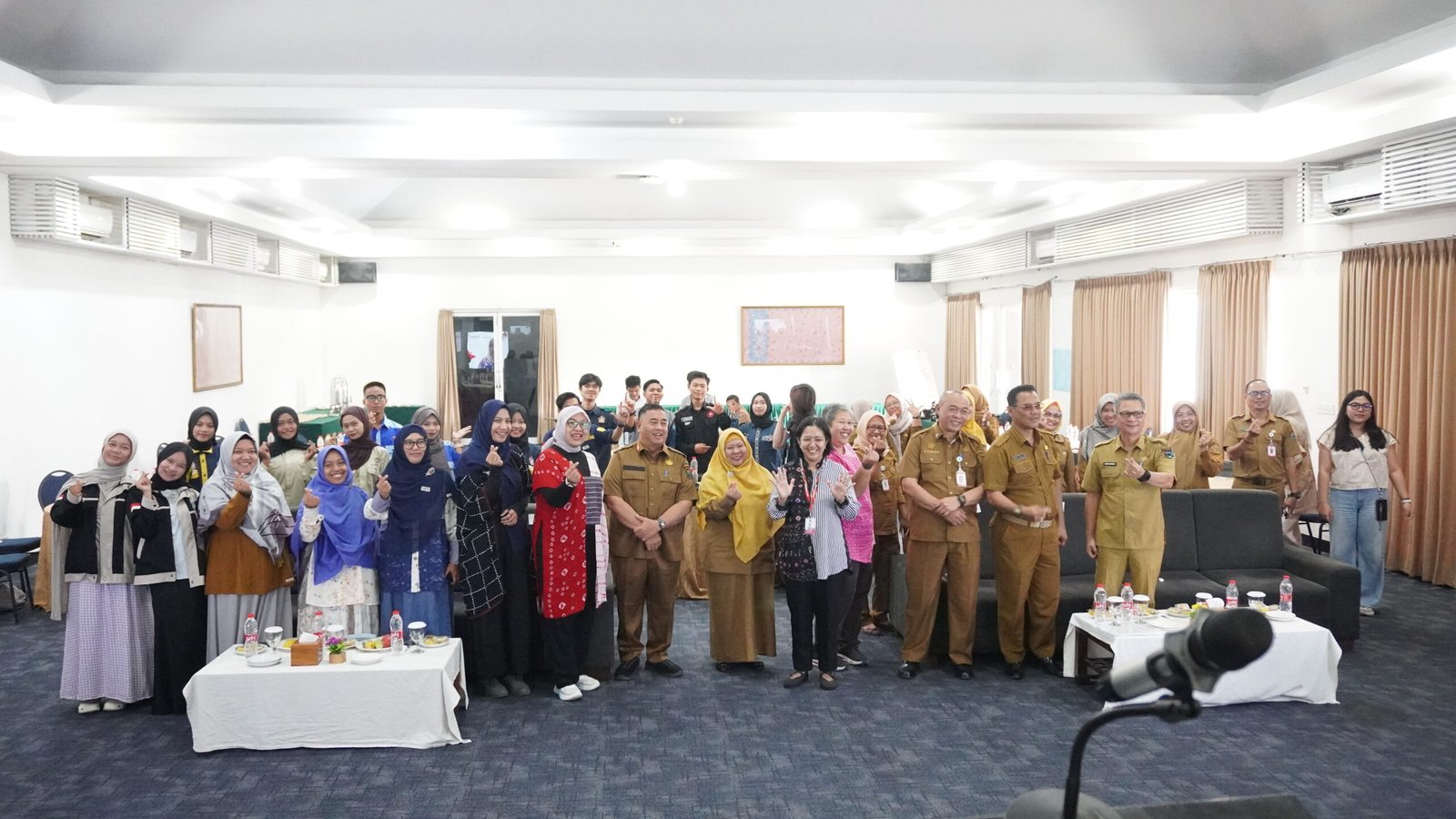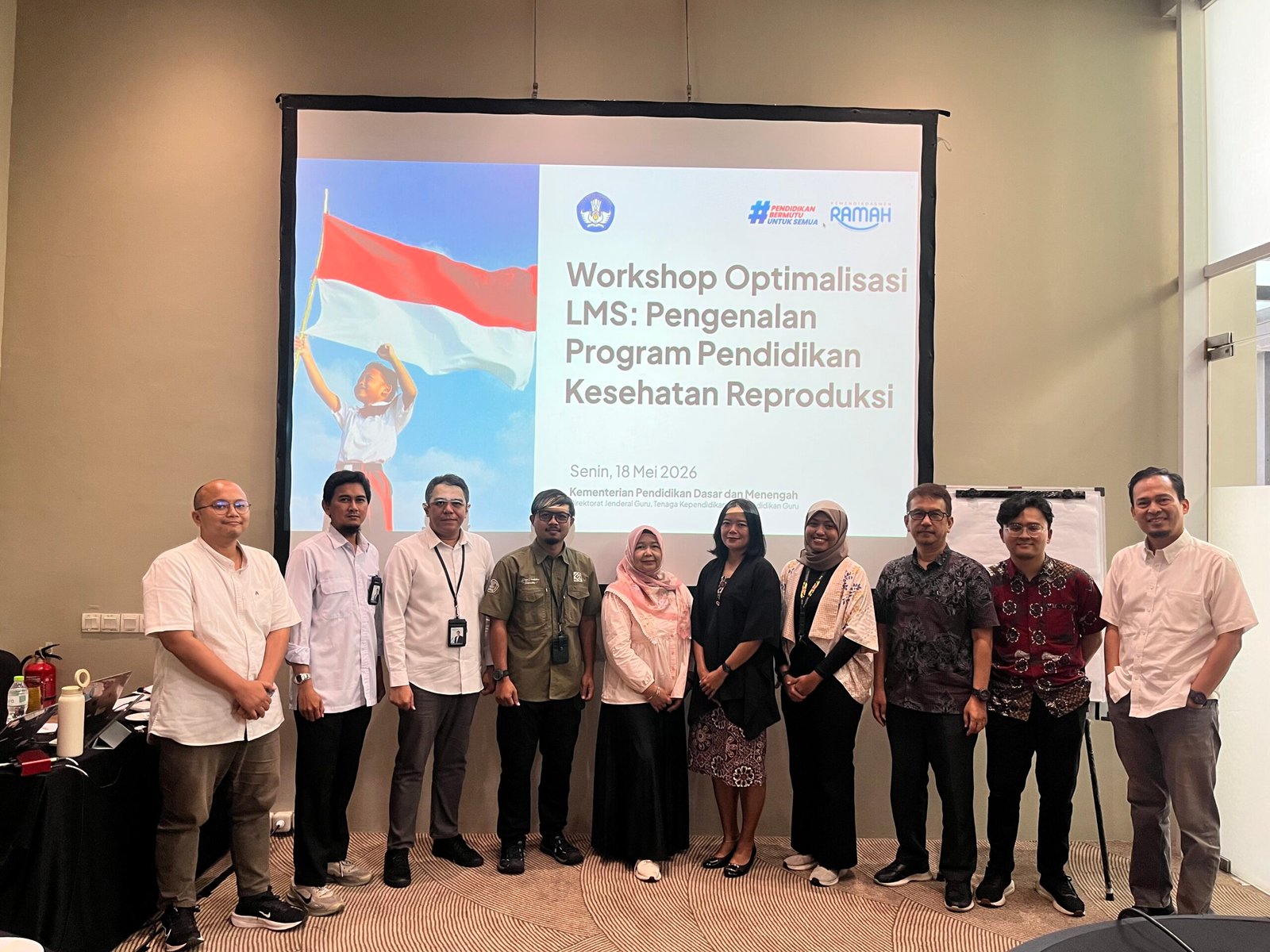
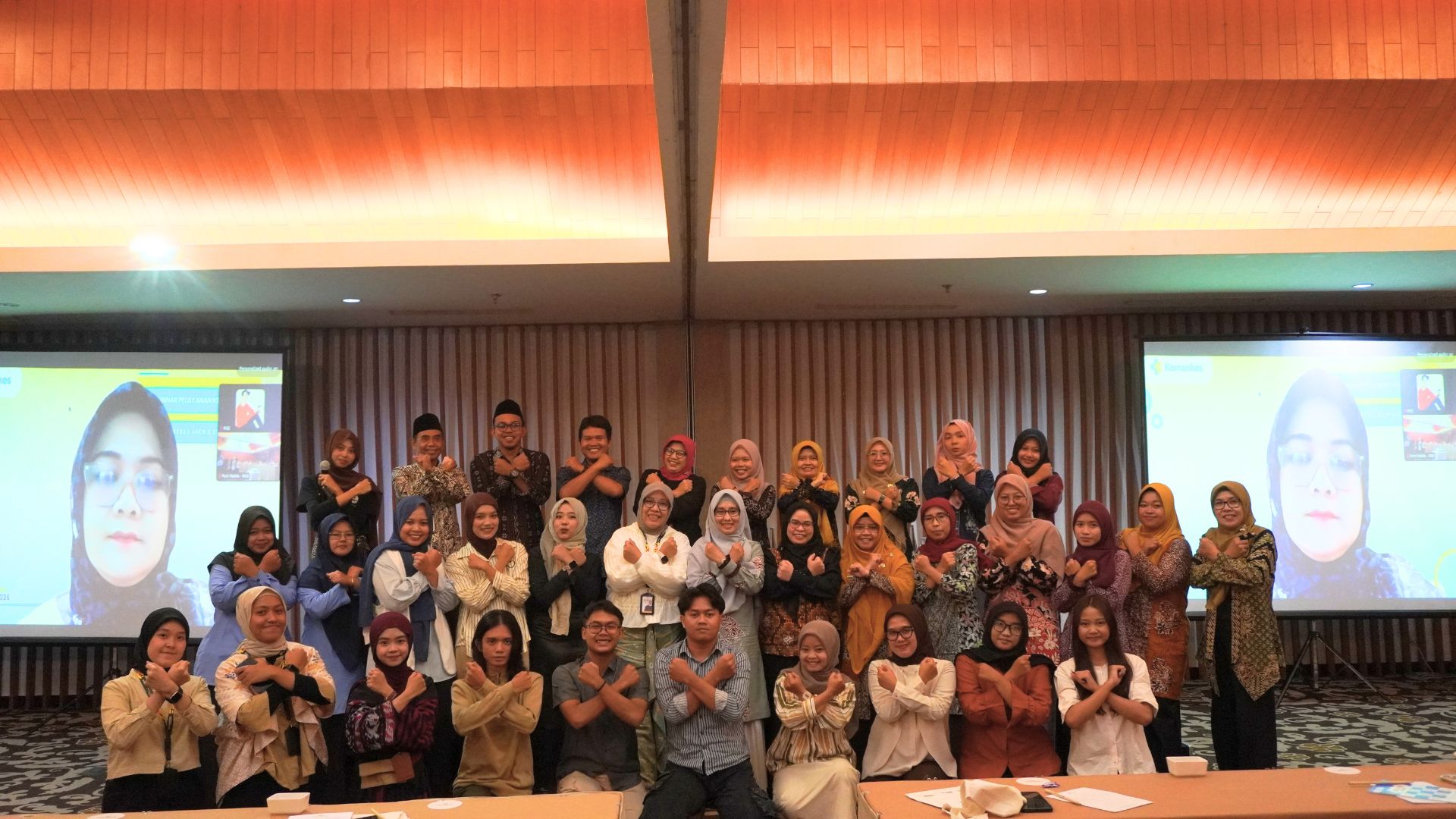
The RISE Foundation, in collaboration with Project HOPE, with support from Kimberly-Clark Corporation, held a training program for teachers and Health Heroes Facilitators for the HER Way Program on April 23-24 in Kabupaten Banyuwangi. This activity aims to strengthen the capacity of teachers and Health Heroes Facilitators to provide comprehensive, inclusive, and youth-friendly reproductive health education.
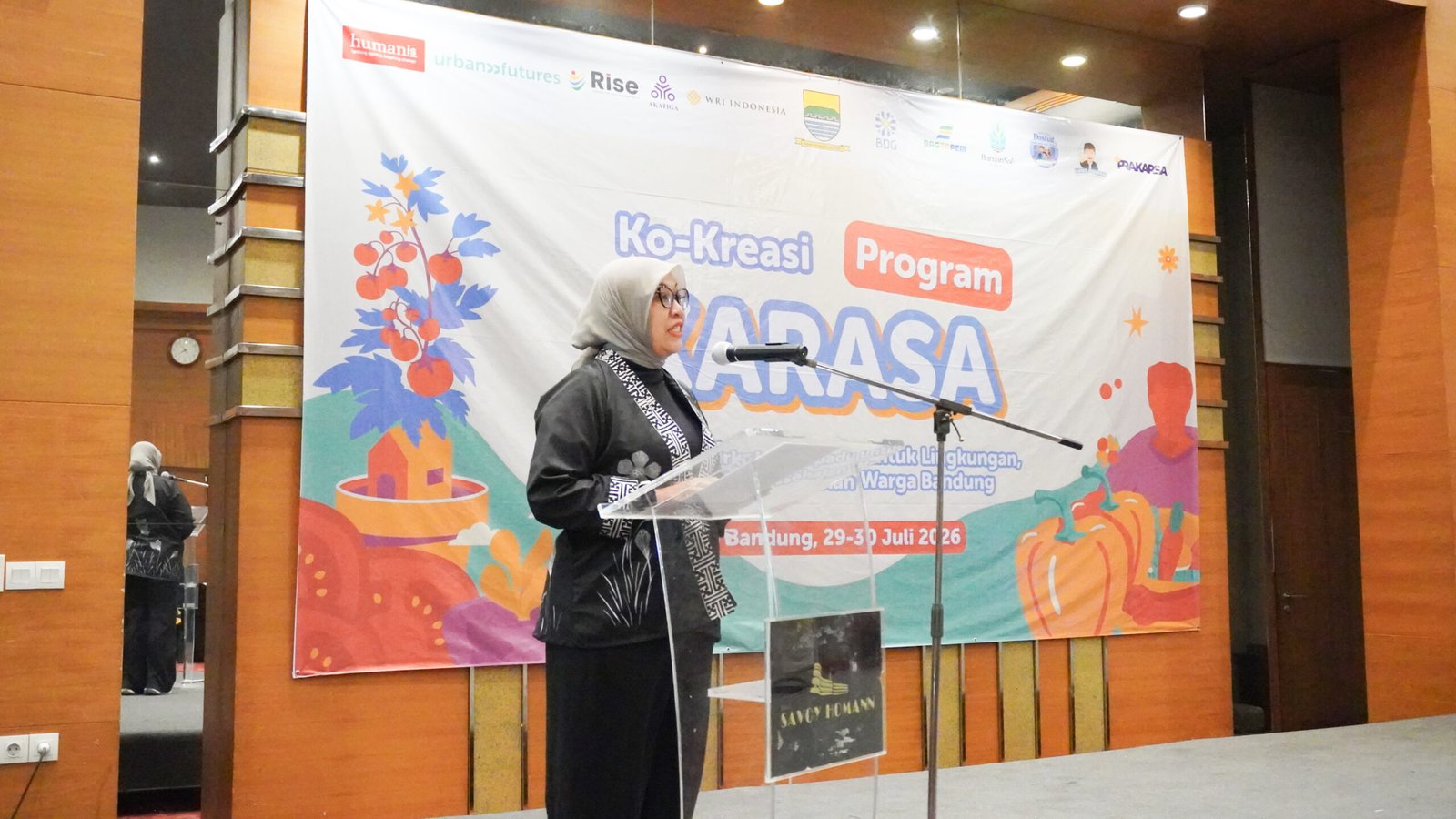
The event was opened by the Executive Director of the RISE Foundation, Artin Wuriyani, who emphasized the importance of collaboration in addressing adolescents’ need for access to accurate information. The event was also attended by a representative from the Kemendukbangga RI, Rany Widashanti, S.Sos., M.Si., who highlighted the strategic role of facilitators in delivering accurate and sensitive education.
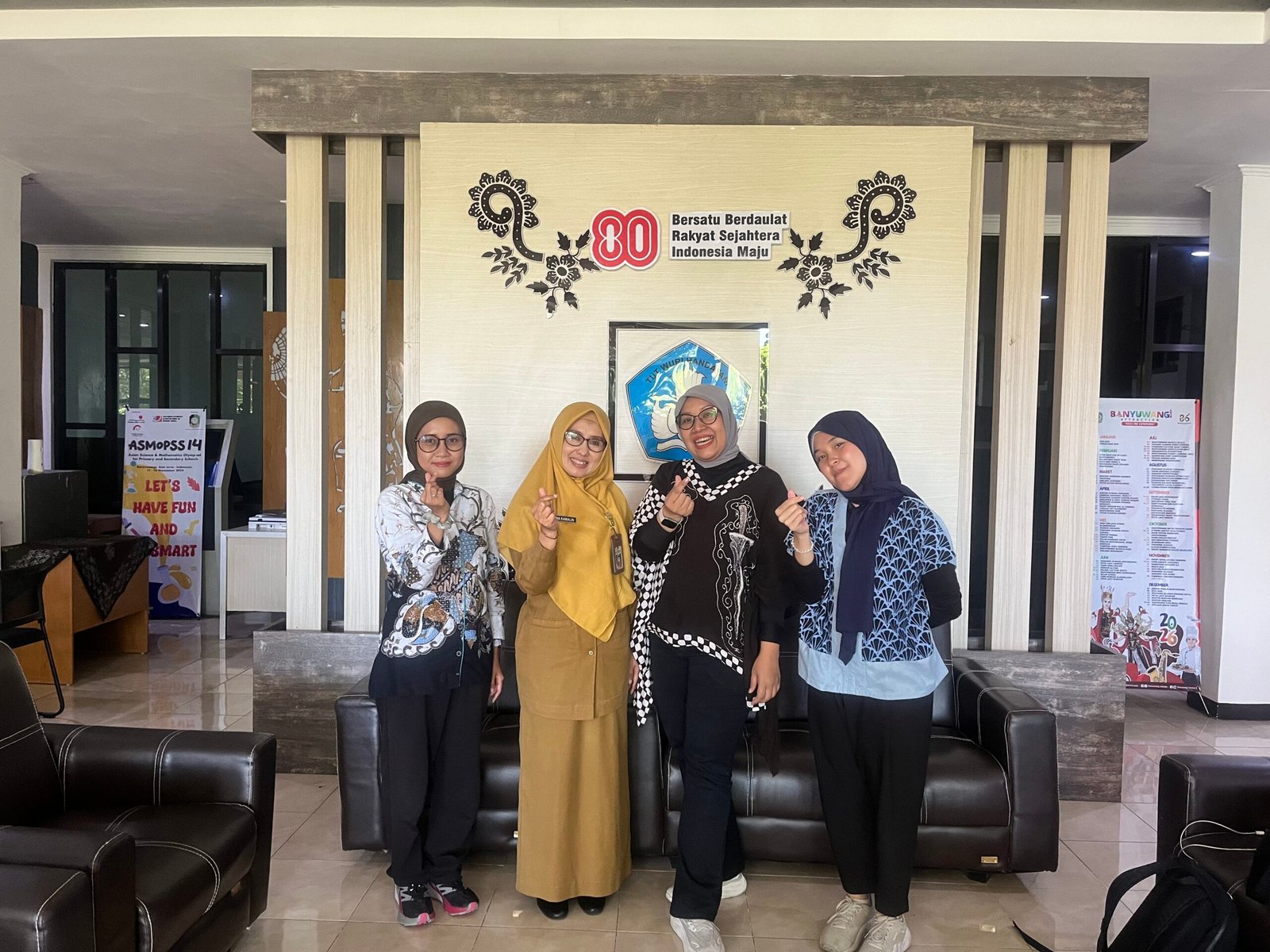
Similar support was conveyed by the representative of the Kementerian Kesehatan RI, Rr. Weni Kusumaningrum, SKM., MKM., who emphasized that investing in adolescent health is part of long-term development. Then, from the Dinas Pendidikan Kabupaten Banyuwangi, Lina Kamalin, M.Pd., encouraged the integration of materials into school learning.
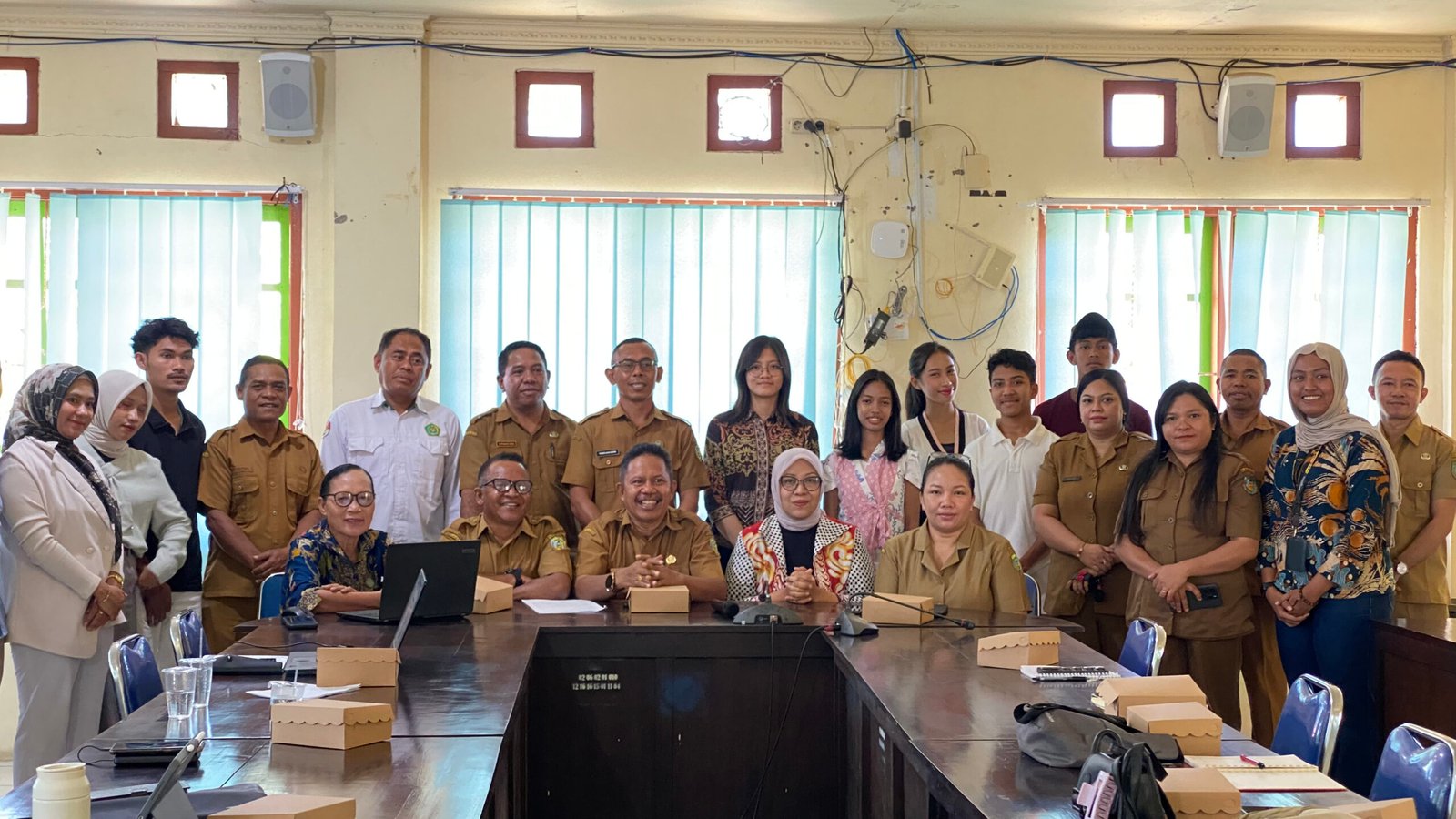
This training involved 30 participants, consisting of 16 teachers and 14 teenagers as Health Heroes Facilitators. All participants were prepared to become facilitators in schools and communities, while also playing a role in building safe discussion spaces for teenagers. The material focused on “Remaja yang Berdaya” with an emphasis on strengthening capacity in reproductive health education, menstrual hygiene management, mental health, and Social Emotional Learning (SEL).
Unlike typical training, this program’s learning process emphasizes reflection on participants’ values and experiences. Through value clarification methods, such as “seberangi batas” activities and the comfort continuum, participants are encouraged to re-examine their personal perspectives on often-sensitive reproductive health and sexuality issues.
Furthermore, the training comprehensively covered adolescent development, reproductive health, and gender issues. Participants were trained to examine how biological, mental, and environmental factors interrelate in triggering risky behavior. Specifically, in the gender session, participants explored how social labels regarding a particular gender can perpetuate injustice and trigger violence.
Teachers and HHF not only act as participants but also as key facilitators in ensuring the program’s sustainability within the school environment. Through this training, teachers will strengthen a more participatory, inclusive, and responsive learning approach to adolescent needs, particularly in discussing reproductive health issues.
As a follow-up, the participants developed a roadmap for concrete actions, starting with strategic reporting to the principal and strengthening collaboration between educators. One of the main agreed-upon agendas was the implementation of the “Heroes Goes to School” program, an initiative to bring the spirit of change directly to the grassroots level. Through harmonious collaboration between teachers and peer facilitators (HHF), this activity is expected to serve as an effective information bridge to reach more adolescents, ensuring they have access to a friendly and inclusive education.